




Metric Coarse
Short Description
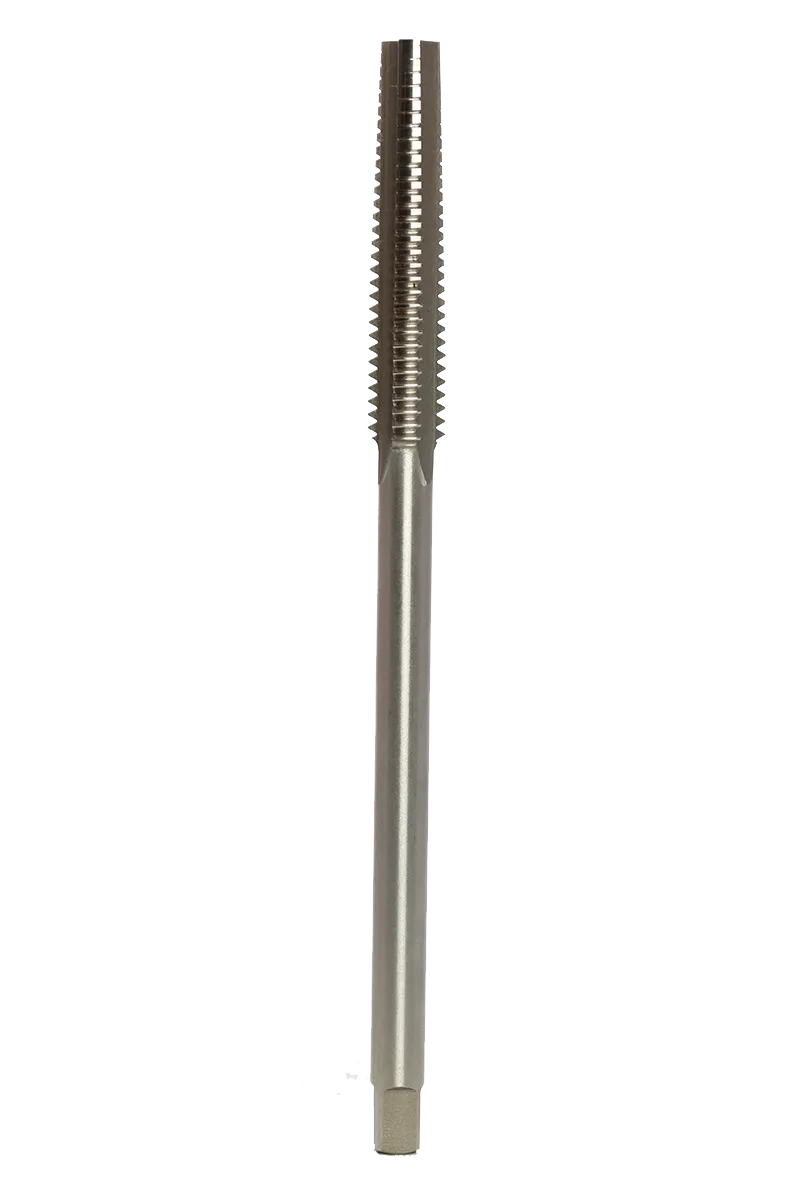
A nib tap is a hand cutting tool used to create internal threads inside a drilled hole, and the metric coarse version follows the standard coarse pitch series defined for metric threads. Unlike fine pitch taps, this style removes more material per pass, which makes threading faster and less likely to bind in softer or medium hardness metals. The square-drive end, known as the nib, lets you turn the tap with a tap wrench for controlled, even cutting. It's the type of tool most machine shops, workshops, and maintenance teams reach for when tapping standard bolt holes in steel, aluminium, or cast iron.
- Material: High Speed Steel (HSS), chosen for its edge retention during repeated tapping
- Grades: Available in standard and precision ground tolerance classes
- Thread Type: ISO metric coarse pitch, one pitch value assigned per diameter
- Size Range: Commonly stocked from M3 up to M24, with other sizes on request
- Surface Finish: Bright finish or steam oxide finish depending on the batch
- Standards: Manufactured in line with ISO 261 and ISO 2 thread specifications
- Drive Type: Square nib drive compatible with standard tap wrenches
Key Features
- Cuts standard metric coarse threads in a single pass through most metals
- Square nib end fits standard tap wrenches for manual operation
- Flutes designed to clear chips smoothly during cutting
- Works well in low to medium carbon steel, aluminium, and brass
- Available in a wide range of sizes to match common bolt diameters
- Ground threads give a cleaner, more accurate fit with mating fasteners
- Suitable for both new hole tapping and thread repair work
- Compact taper on the lead threads helps start the cut straight
Applications of Metric Coarse Taps
- Tapping new bolt holes in machine frames and equipment housings
- Repairing damaged or worn threads in existing components
- Threading holes for flange bolts and structural fasteners
- General fabrication work in workshops and fitting shops
- Automotive repair and engine block thread maintenance
- Tapping mounting holes for brackets and enclosures
- Producing threaded holes in jigs and fixtures
- Maintenance work on industrial machinery
- Small batch manufacturing where a tapping machine isn't practical
- Plumbing and pipe fitting assemblies that require metric threads
Advantages of Metric Coarse Taps
- Faster cutting speed compared to fine pitch taps
- Less prone to thread stripping in softer materials
- Easier to clear chips due to wider flute spacing
- Simple to use with just a tap wrench, no machine required
- Good tolerance to minor hole misalignment during tapping
- Long service life when used within its intended material range
Why Choose Genuine Enterprises
We manufacture our taps with close attention to thread accuracy, so every tap you receive matches the diameter and pitch it's marked for. Our production process includes checks at each stage, from raw material selection to final grinding, which keeps thread quality consistent across every batch we ship.
As a metric coarse supplier in India, we work with fabrication units, maintenance teams, and OEM manufacturers who need taps they can rely on for daily use. Our stock covers a broad size range, so you can usually find the exact tap you need without waiting on custom orders.
1.What does "coarse" mean in a metric coarse tap?
It refers to the thread pitch, meaning the distance between threads is larger compared to fine pitch taps of the same diameter.
2. Can a metric coarse tap be used on stainless steel?
Yes, though cutting oil and slower turning speed are recommended to avoid excess wear on the tap.
3. What's the difference between a nib tap and a machine tap?
A nib tap has a square drive end for hand operation with a tap wrench, while a machine tap is designed to be held in a power tool or tapping machine.
4. Do I need a specific drill bit size before tapping?
Yes, each tap size has a corresponding recommended drill bit, often called the tap drill size, to leave the right amount of material for threading.
5. How do I know if I need a coarse or fine pitch tap?
Coarse pitch is the standard choice for most general applications, while fine pitch is used where finer adjustment or greater thread engagement in thin materials is needed.
Related Products

End Mills - Taper Shank
View Details
Grooving Tools
View Details
Annular Cutter
View Details
Diamond Coated Files
View Details
Needle Files
View Details
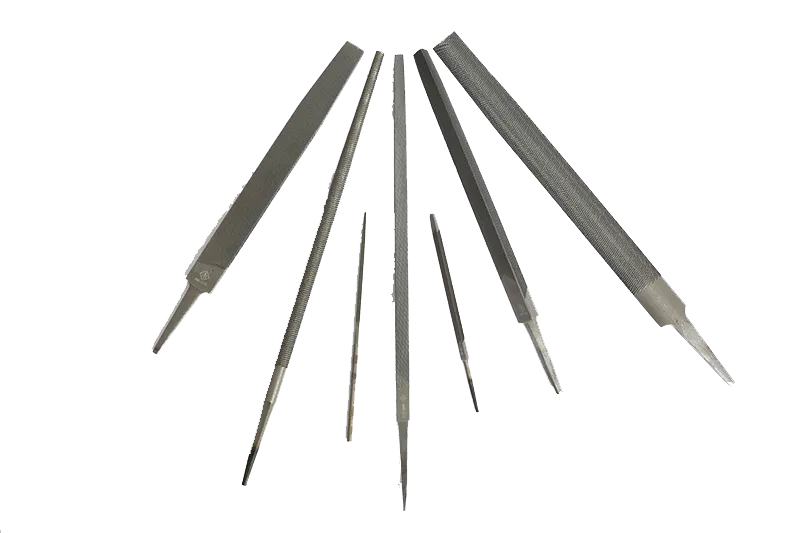
Engineering Files
View Details
Hathyar - Round Tool Bits
View Details
Hathyar - Parting Tool Bits
View Details

Hathyar - Flat Tool Bits
View Details
HT 1000
View Details
HT 900
View Details
HT 600
View Details
Helicoil Taps
View Details

Cast Iron Taps - Torpedo Series
View Details

Cast Iron Taps - Ninja Series
View Details
Cast Iron Taps - Panther Series
View Details

Roll Form Taps - Torpedo Series
View Details
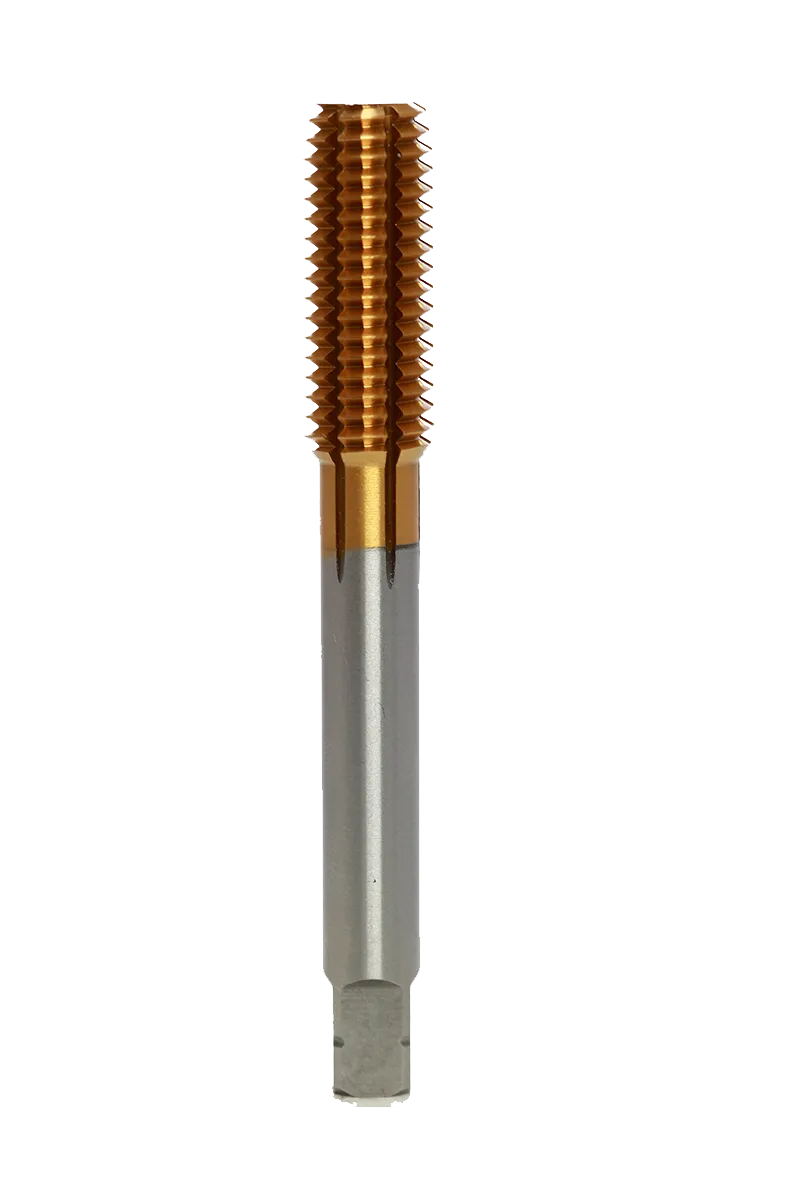
Roll Form Taps - Ninja Series
View Details
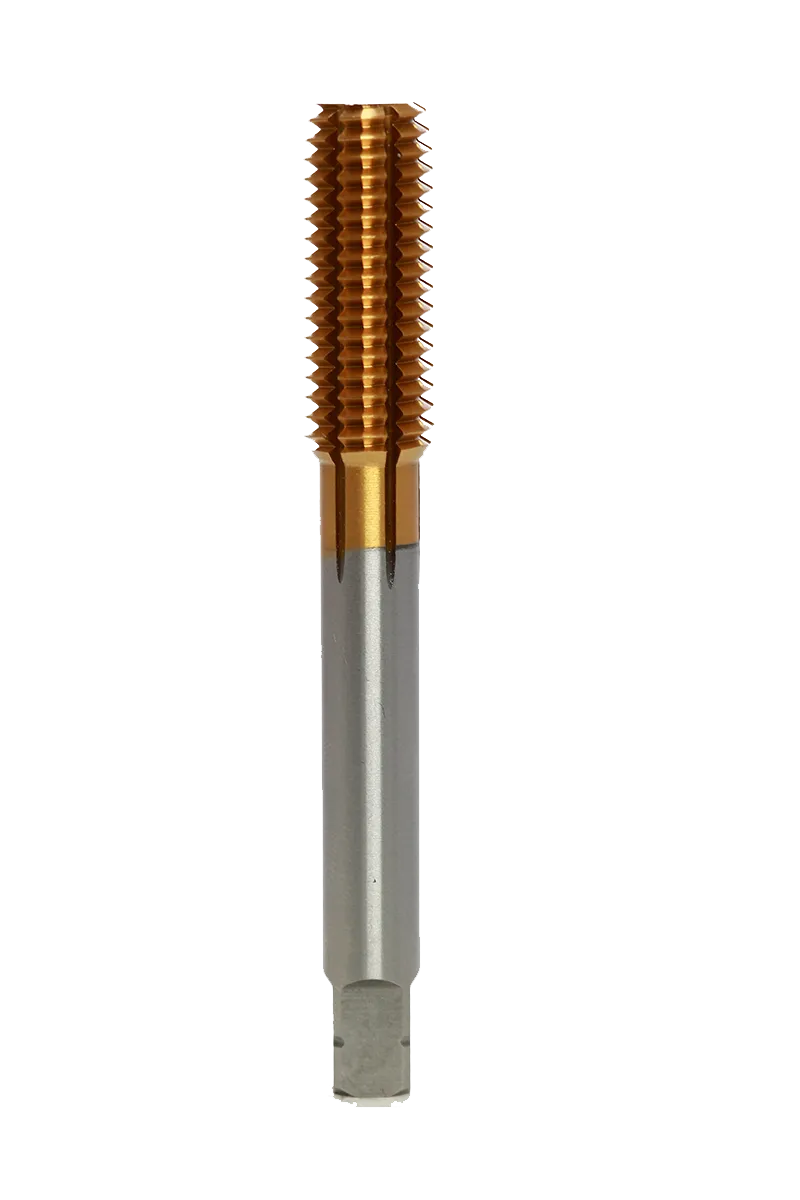
Roll Form Taps - Panther Series
View Details
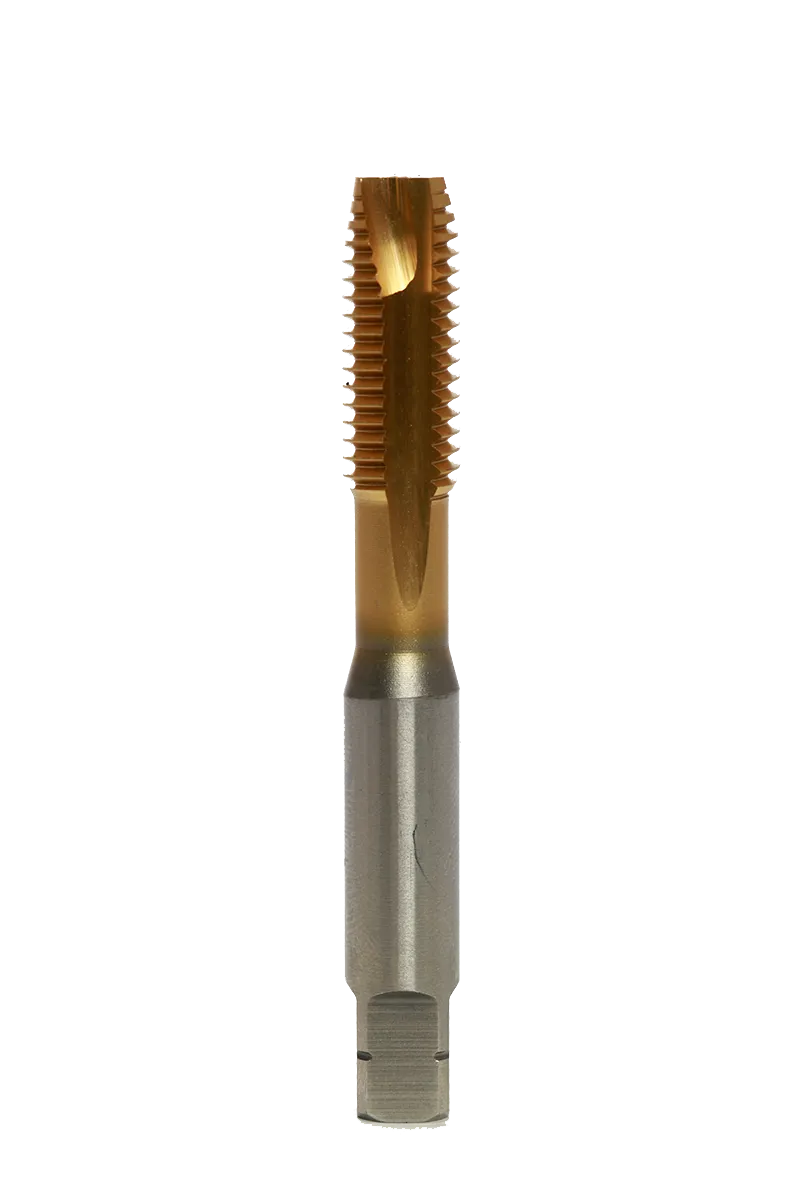
Spiral Point Taps - Torpedo Series
View Details
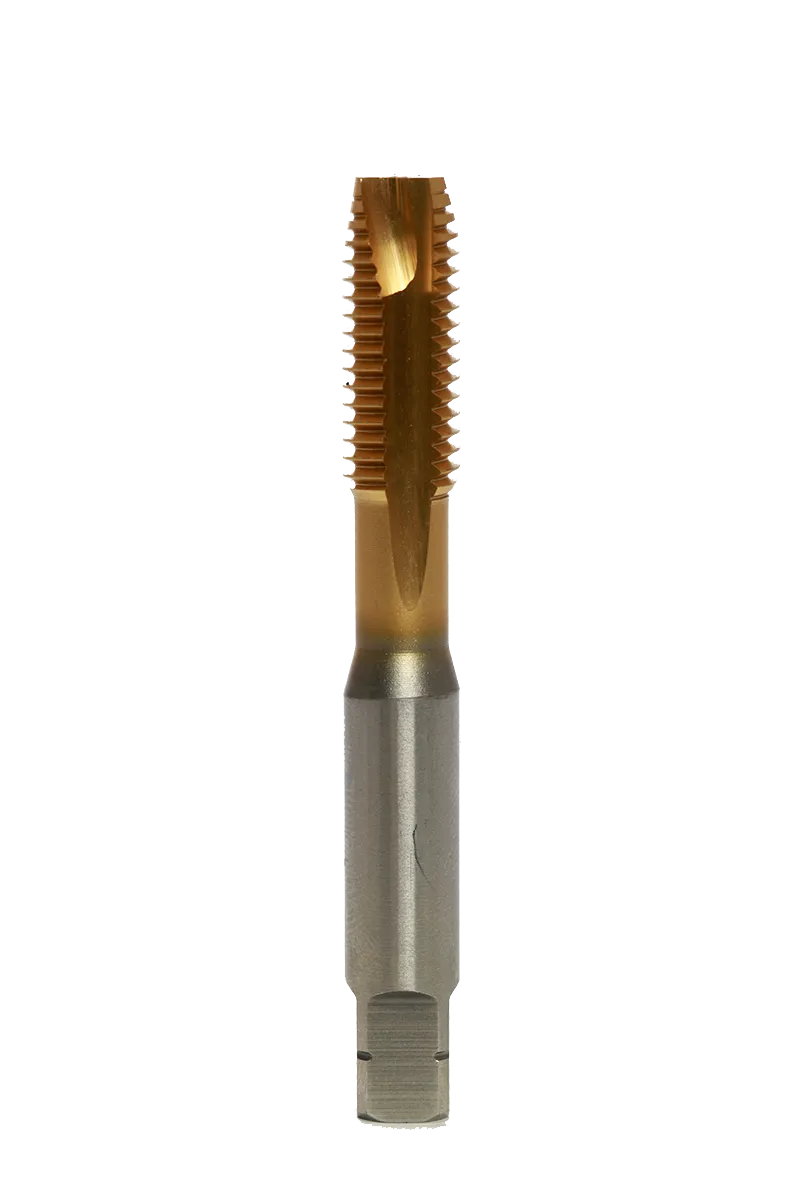
Spiral Point Taps - Ninja Series
View Details

Spiral Point Taps - Panther Series
View Details
Spiral Fluted Taps - Torpedo Series
View Details
Spiral Fluted Taps - Ninja Series
View Details

Spiral Fluted Taps - Panther Series
View Details
Metric
View Details
BSW
View Details
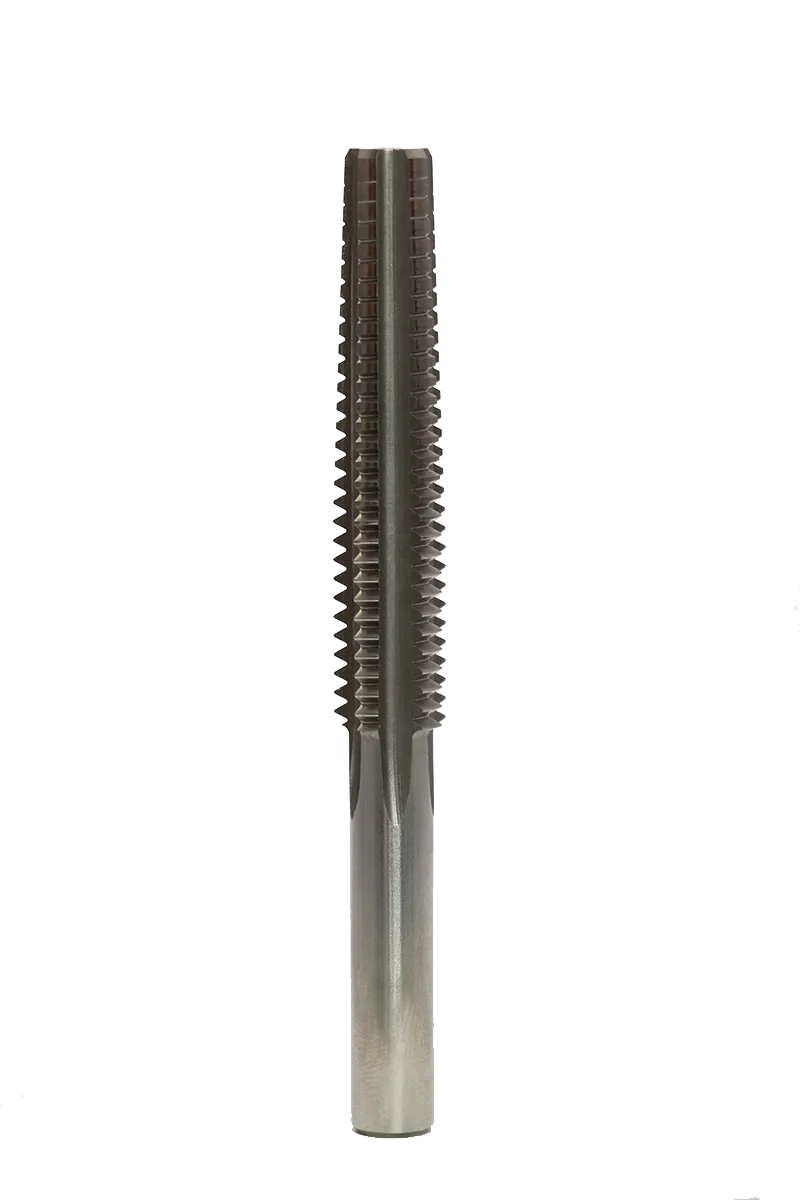
Metric Fine
View Details
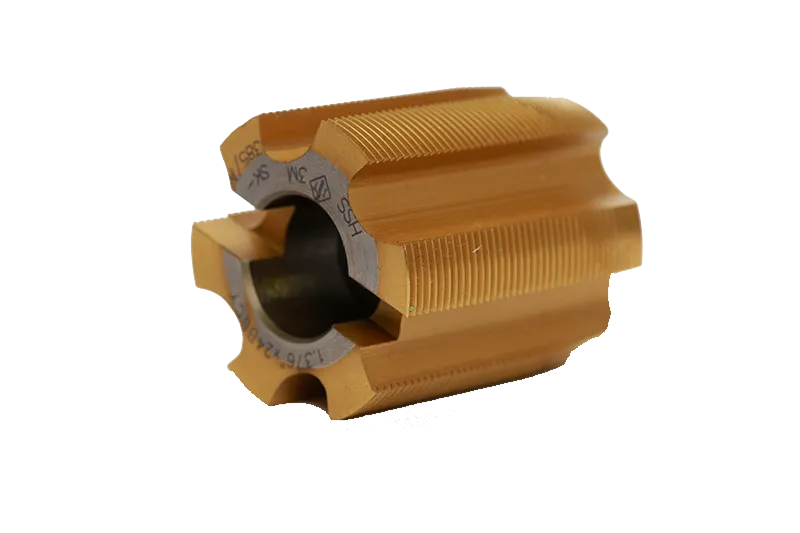
Shell Taps
View Details

BSCy
View Details

Taper Pipe Hand Taps (Gas)-NGT
View Details
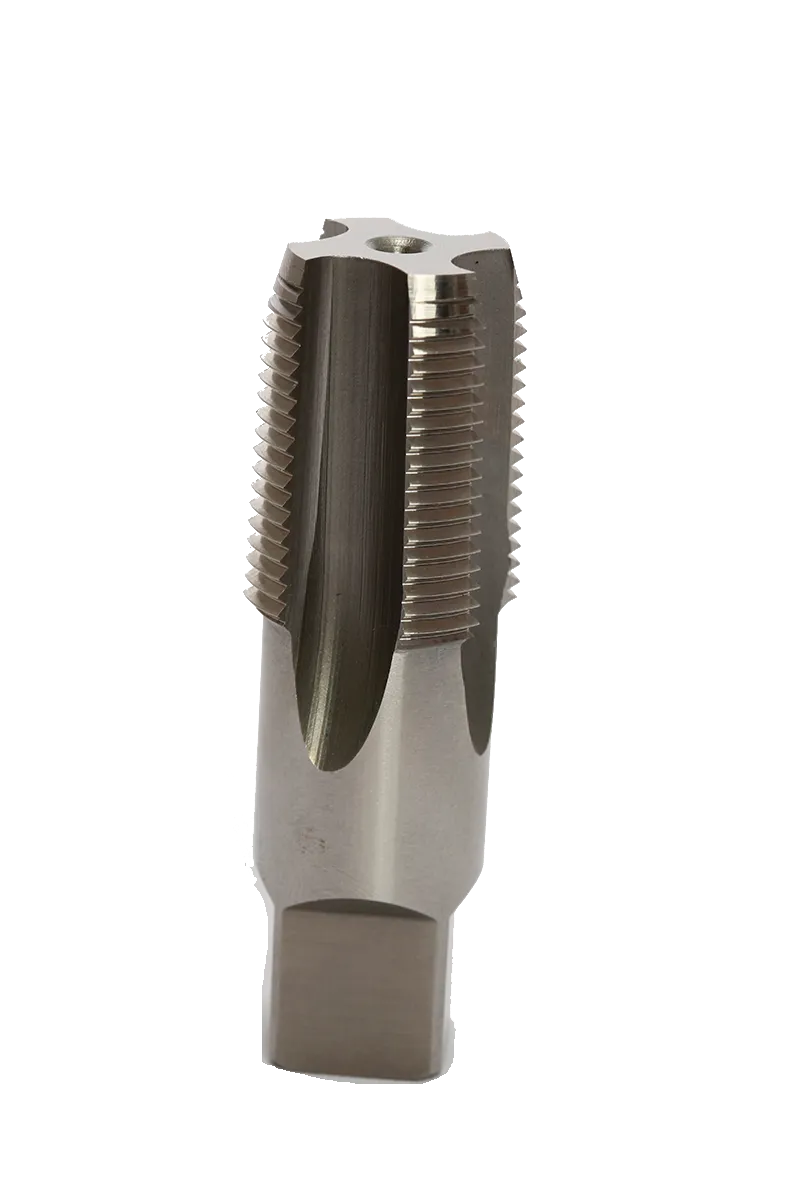
Taper Pipe Hand Taps - NPT
View Details
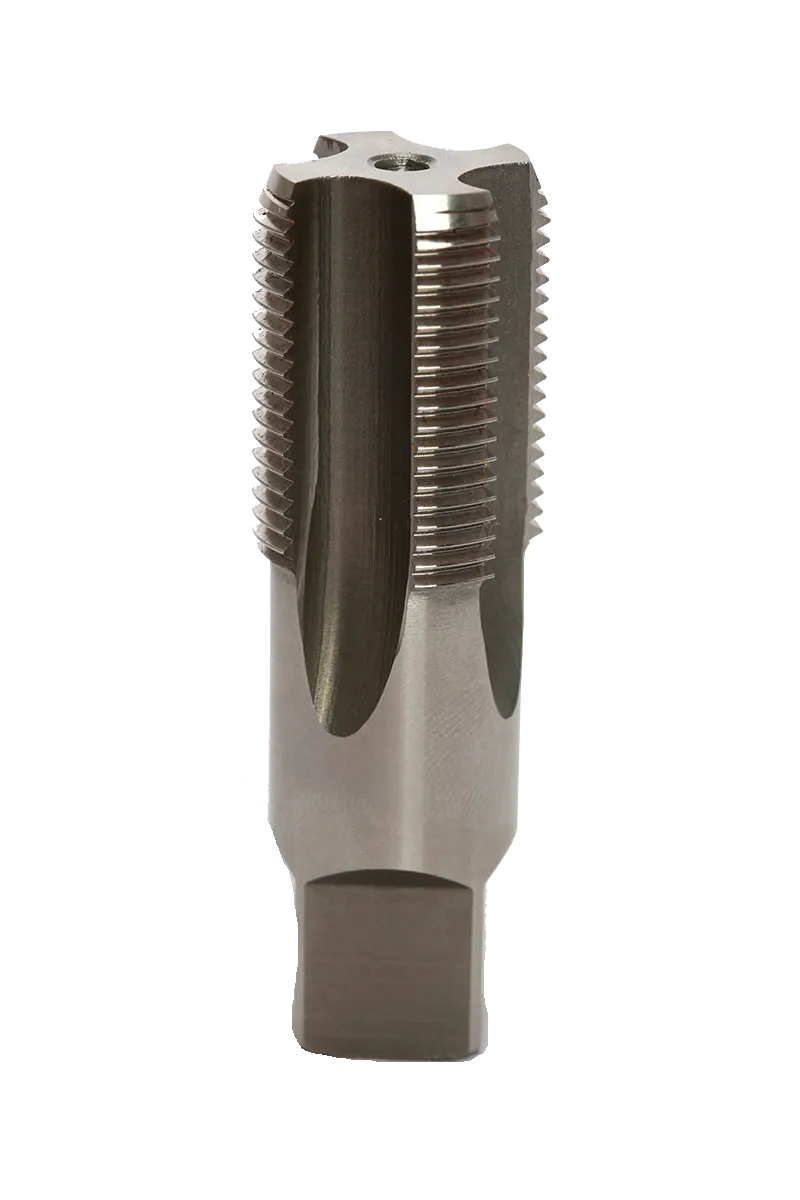
Straight Pipe Hand Taps - NPS
View Details
BSPT
View Details
BSP
View Details

Long Shank Machine Tap - Fine Pitch
View Details

Long Shank Machine Tap - Coarse Pitch
View Details
UNF
View Details
UNC
View Details
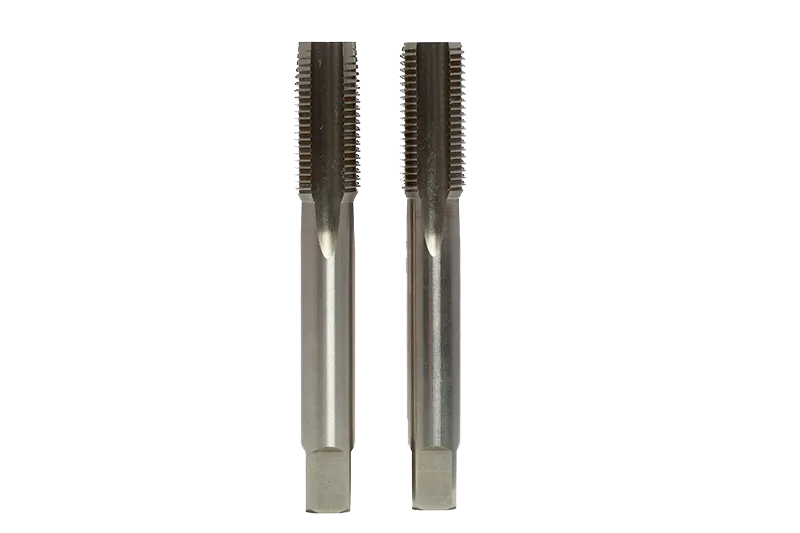
Hand & Short Machine Tap Fine Pitch
View Details
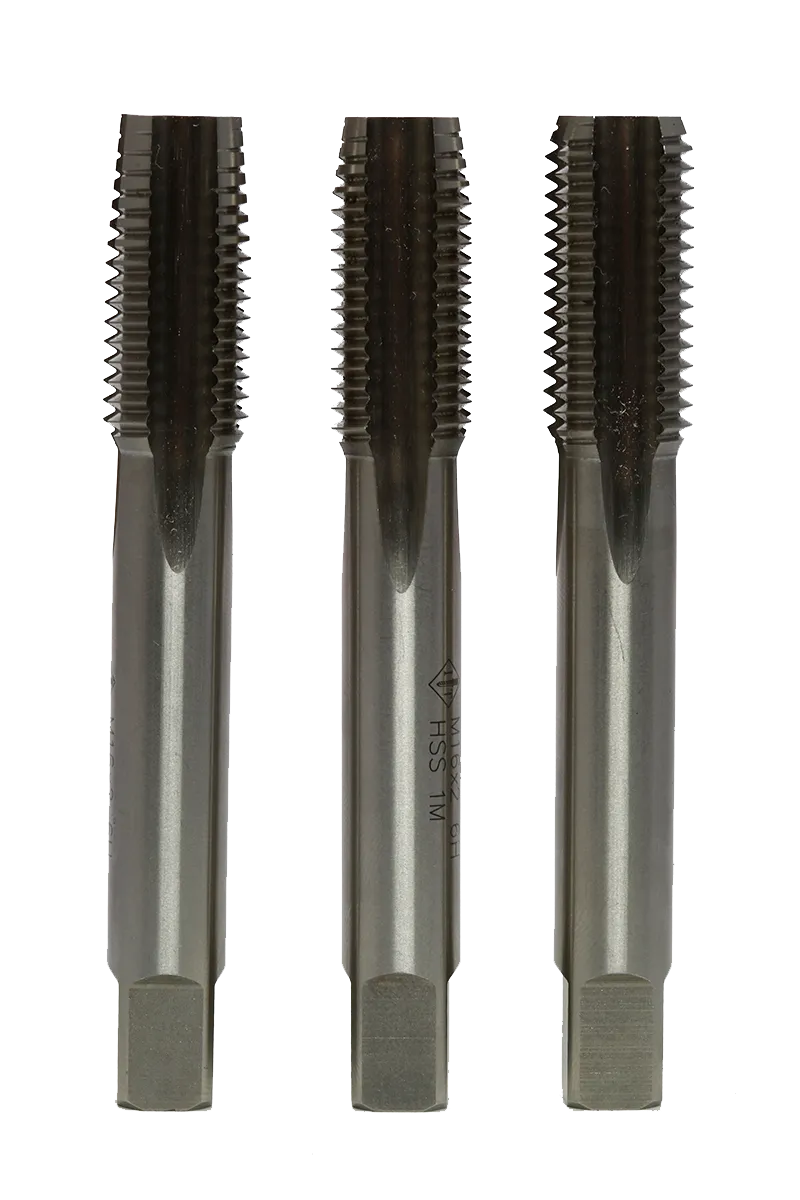
Hand & Short Machine Tap - Coarse Pitch
View Details

High Performance Torpedo Series Drill Bits
View Details

High Performance Ninja Series Drill Bits
View Details
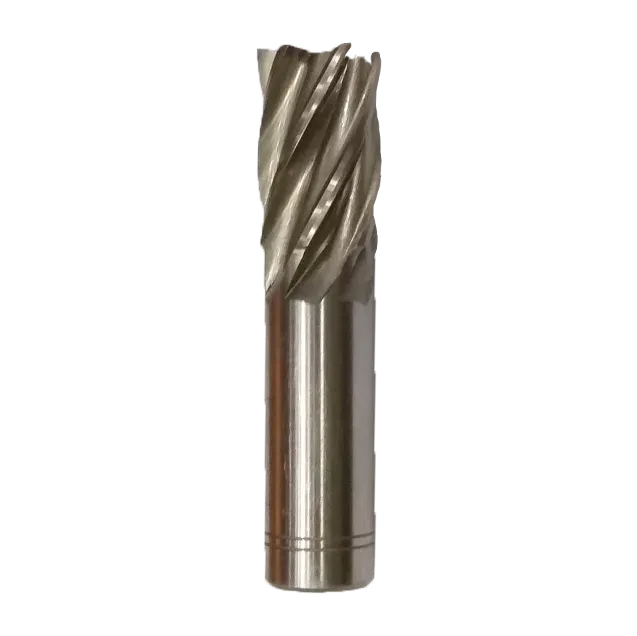
High Performance Panther Series Drill Bits
View Details
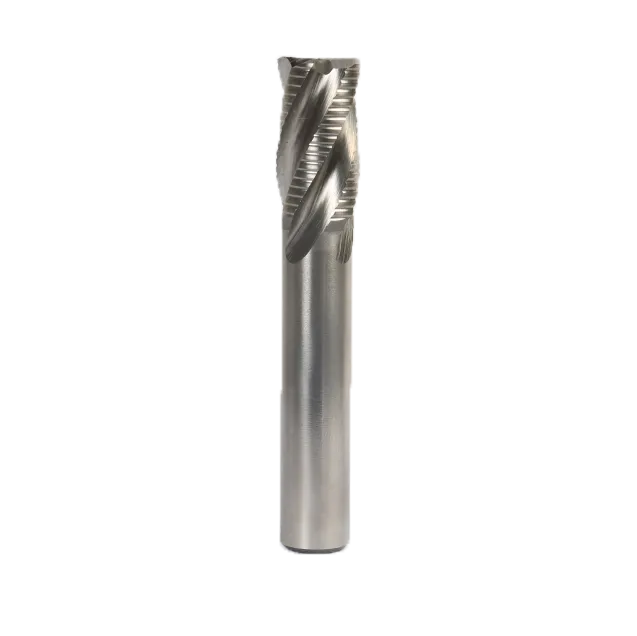
Roughing End Mill
View Details

Ball Nose End Mill
View Details

Countersinks with included angle 60°,90°&120° - Taper Shank
View Details

Taper Shank and Detachable Pilot
View Details

Counterbores with Parallel Shank & Solid Pilots
View Details

Countersink 90° with MT Shank and Detachable Pilot
View Details
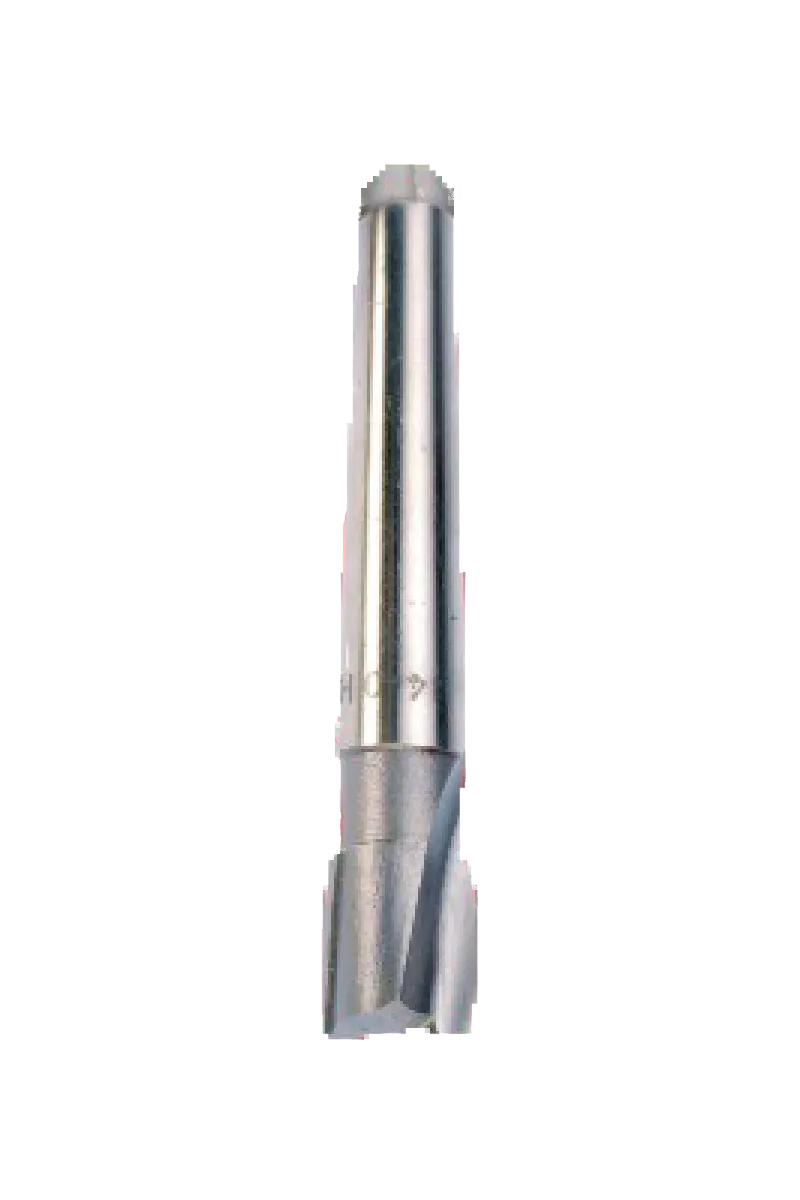
Countersink 90° with Parallel Shank and Solid Pilot
View Details

Woodruff keyslot Milling Cutter with Parallel Shank
View Details

Dove-Tail Milling Cutters
View Details

T-Slot Cutters - Taper Shank
View Details
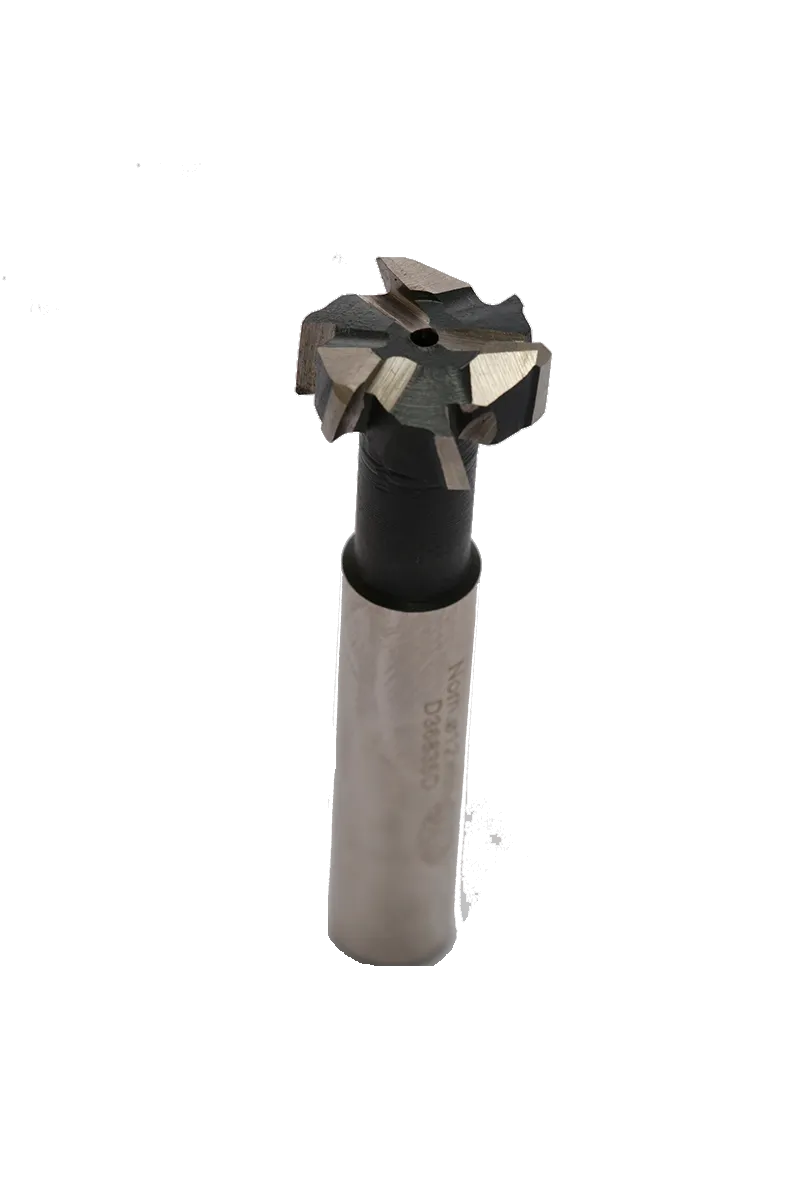
T-Slot Cutters - Parallel Shank
View Details
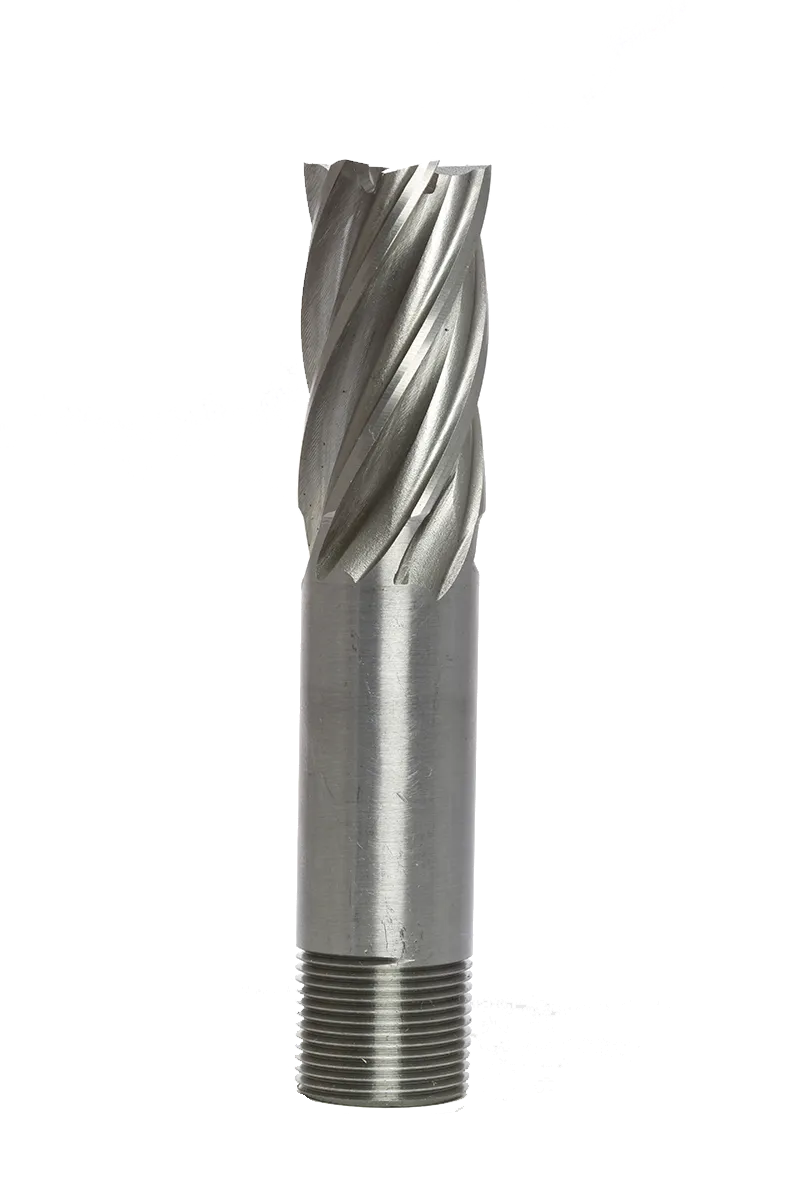
Endmills
View Details

Slot Drills
View Details
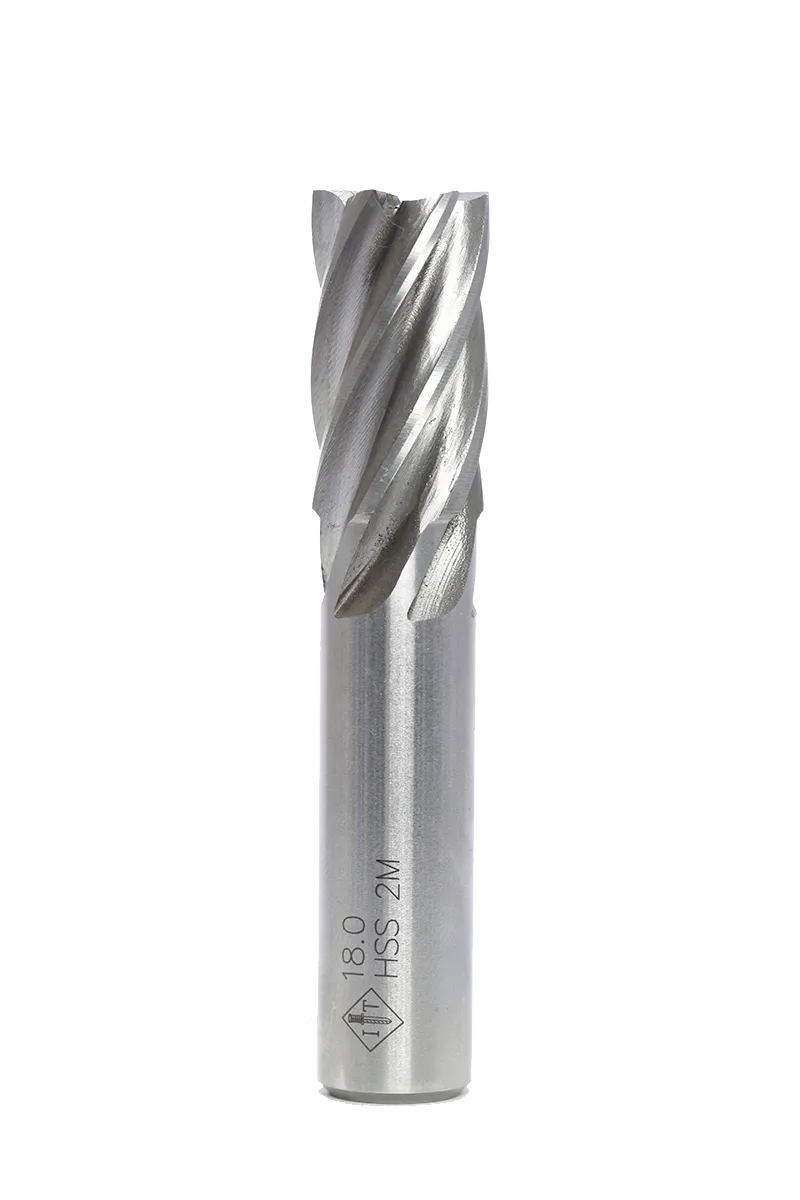
End Mills - Parallel Shank
View Details

Slot Milling Cutters - Taper Shank
View Details
Slot Milling Cutters - Parallel Shank
View Details
Double Corner Rounding Cutters
View Details
Single Corner Rounding Cutters
View Details
Concave Milling Cutters
View Details
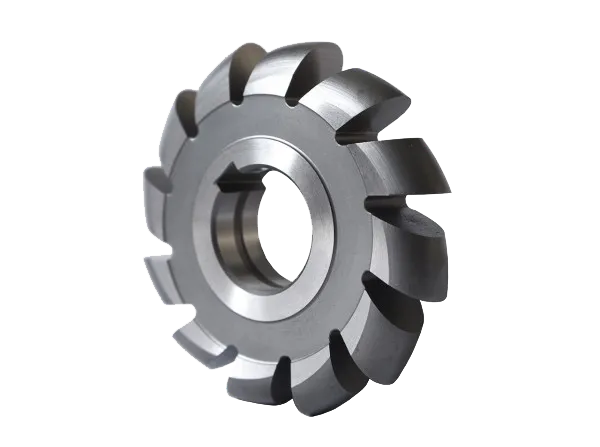
Convex Milling Cutters
View Details

Hollow Mills
View Details
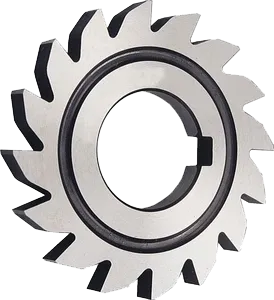
Keyway Milling Cutters
View Details

Slotting Cutters
View Details
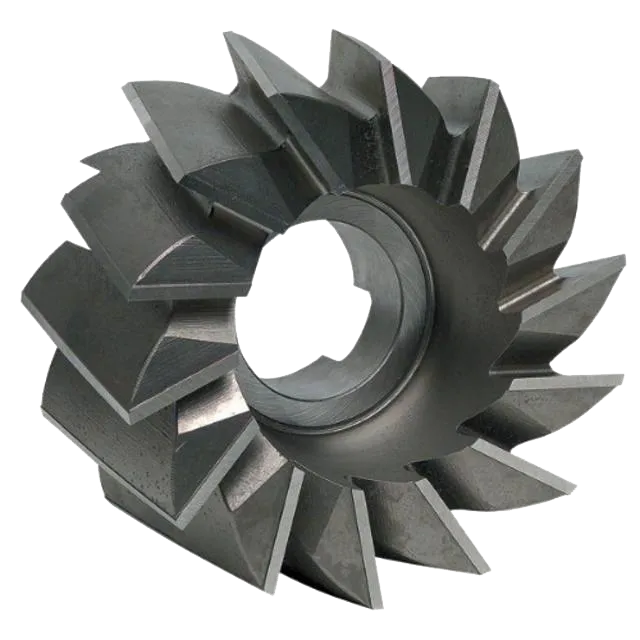
Face Cutters
View Details
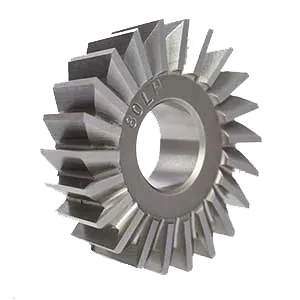
Shell End Single Angle Cutters
View Details

Equal Angle Cutters
View Details

Double Angle Cutters
View Details
Single Angle Cutters
View Details
Shell End Mills
View Details

Staggered Teeth
View Details

Straight Teeth
View Details
Cylindrical Milling Cutters
View Details
High Performance Reamers
View Details
Taper Pipe Reamer
View Details

Guided Type B
View Details

Unguided Type A
View Details
Machine Bridge Reamers
View Details
Machine Reamers
View Details
Hand Reamers
View Details

Socket Reamers with Taper Shank
View Details

Socket Reamers with Parallel Shank
View Details
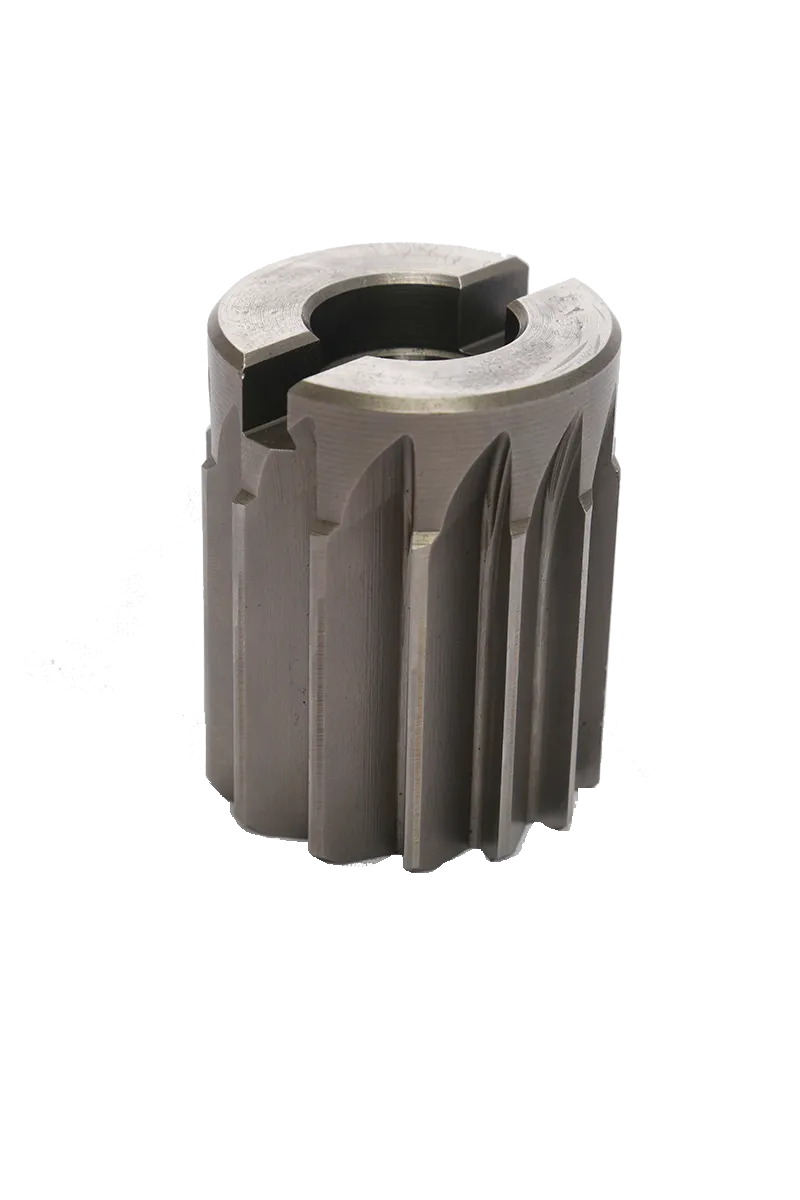
Shell Reamers
View Details

Machine Chucking Reamers with Taper Shank
View Details
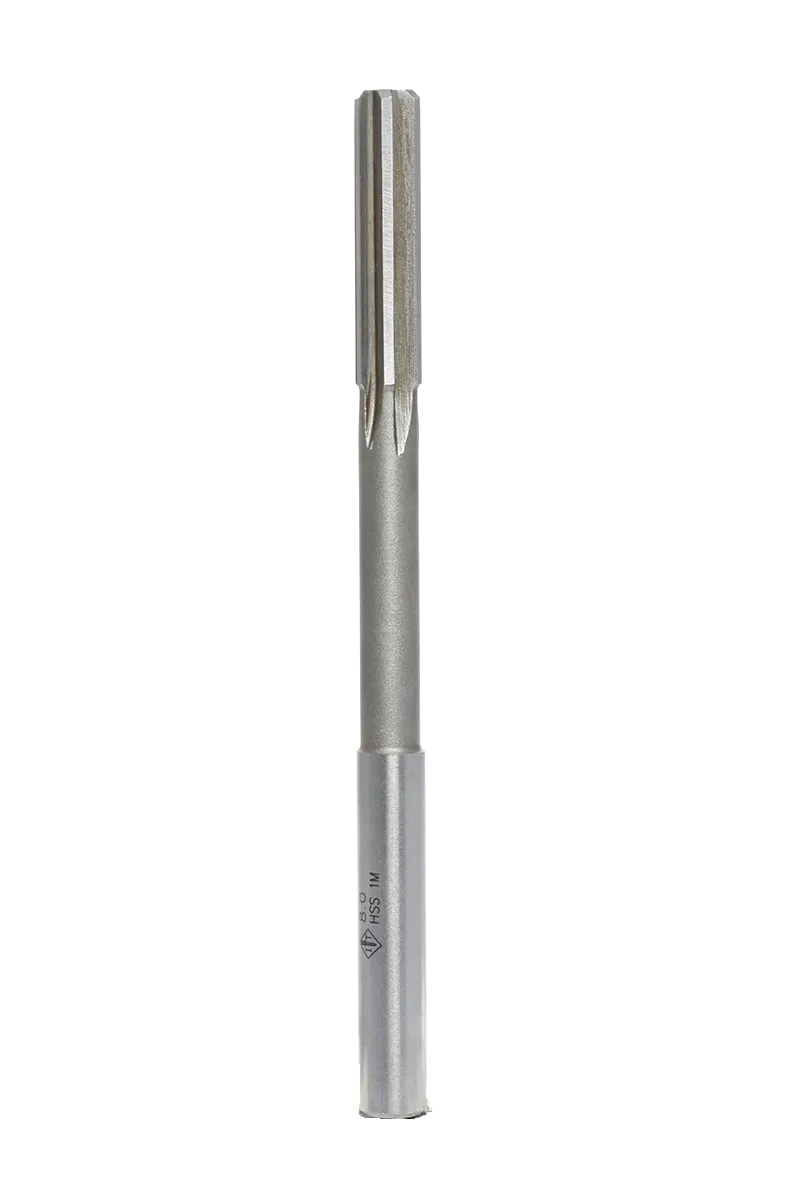
Machine Chucking Reamers with Parallel Shank
View Details
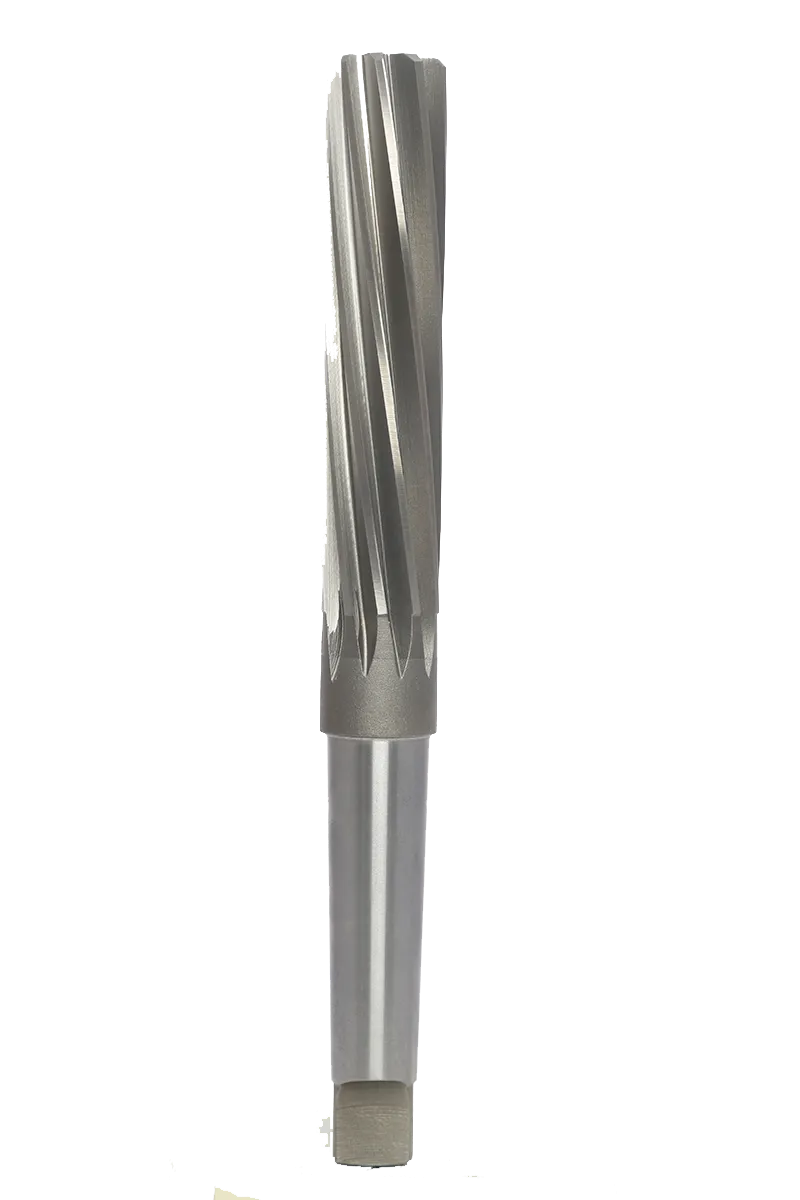
Parallel Machine Reamers
View Details

Long Fluted Machine Reamers
View Details
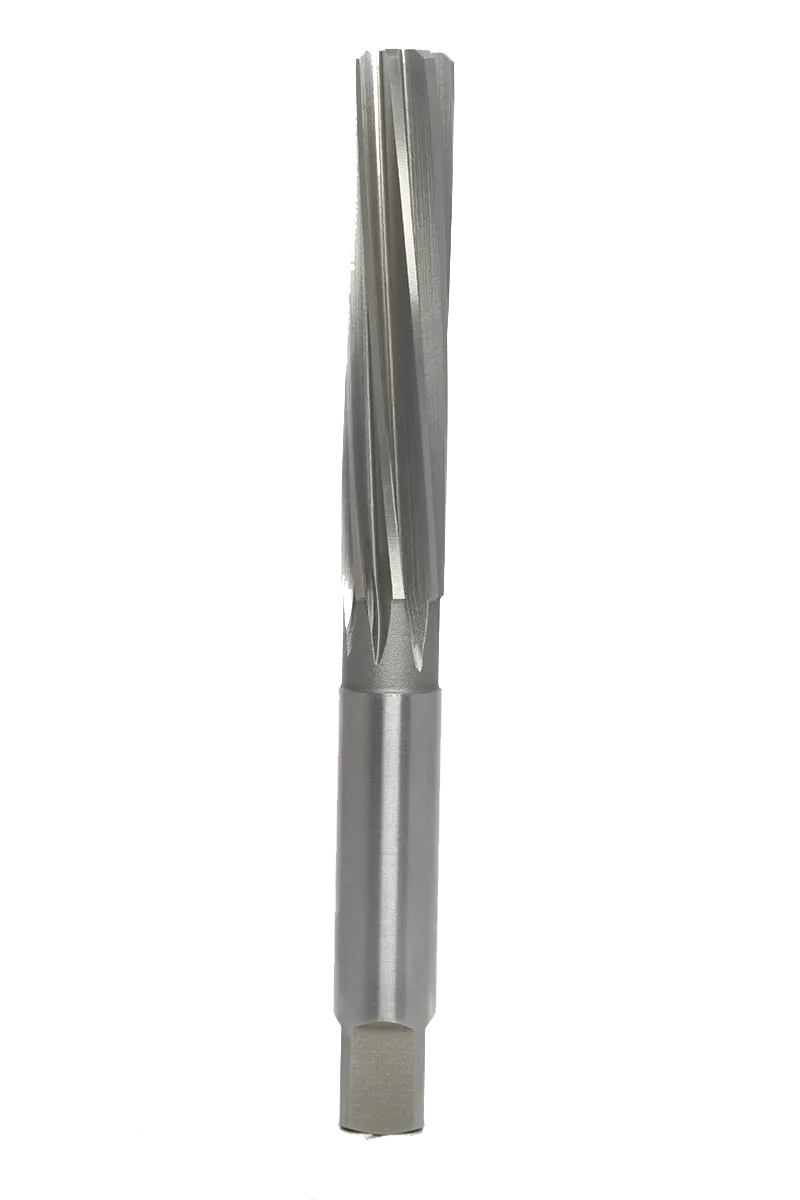
Parallel Hand Reamers
View Details

B.S
View Details
Type R
View Details
Type B
View Details

Type A
View Details

Drill Sets
View Details
Carbide Tipped
View Details

Torpedo Series
View Details
Ninja Series
View Details
Panther Series
View Details
-2.webp)
Taper Pin Twist Drills
View Details
Sublan Twist Drills
View Details
Parallel Shank Sublan Twist Drills
View Details
Shell Core drills
View Details

Taper Shank Core Drills
View Details

Taper Shank Twist Drills for Forged Material - Extra Long Series
View Details
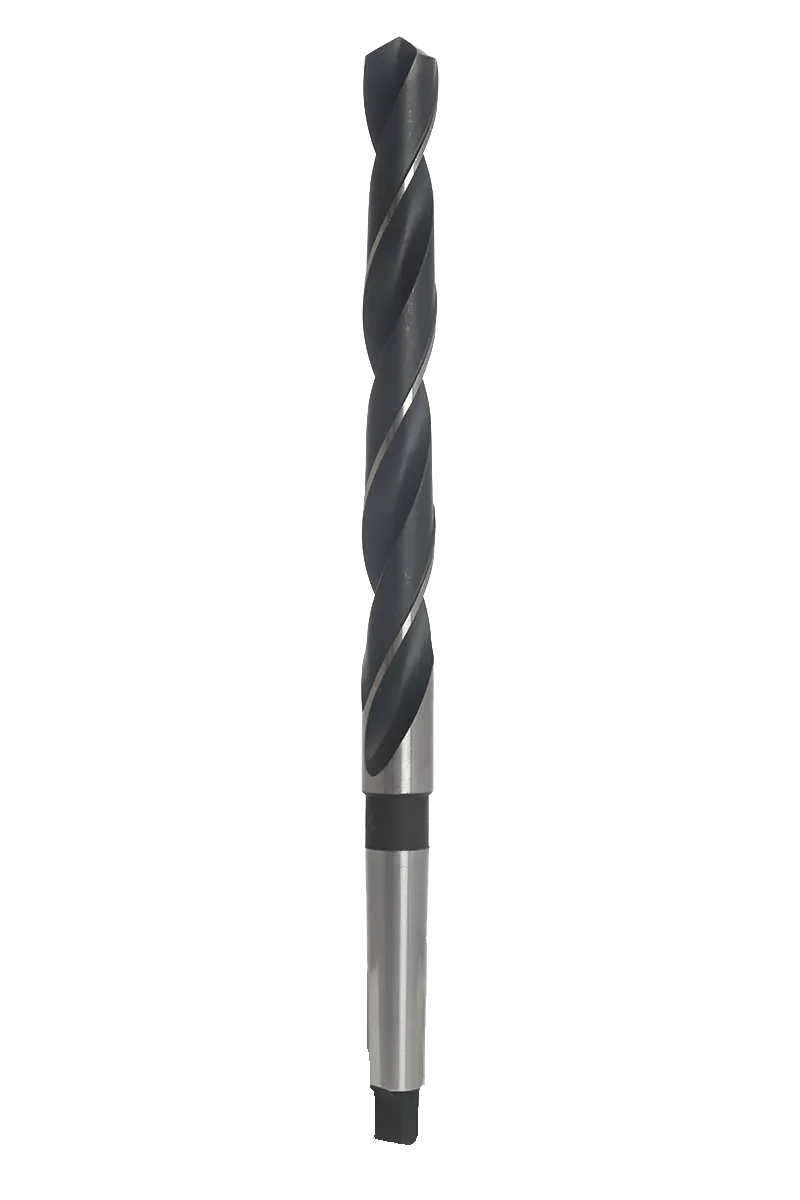
Taper Shank Twist Drills for Forged Material - Long Series
View Details

Taper Shank Twist Drills for Forged Material - Oversize Shank
View Details

Taper Shank Twist Drills for Forged Material - Standard Shank
View Details

Taper Shank Twist Drills - Extra Long Series
View Details

Taper Shank Twist Drills - Long Series
View Details
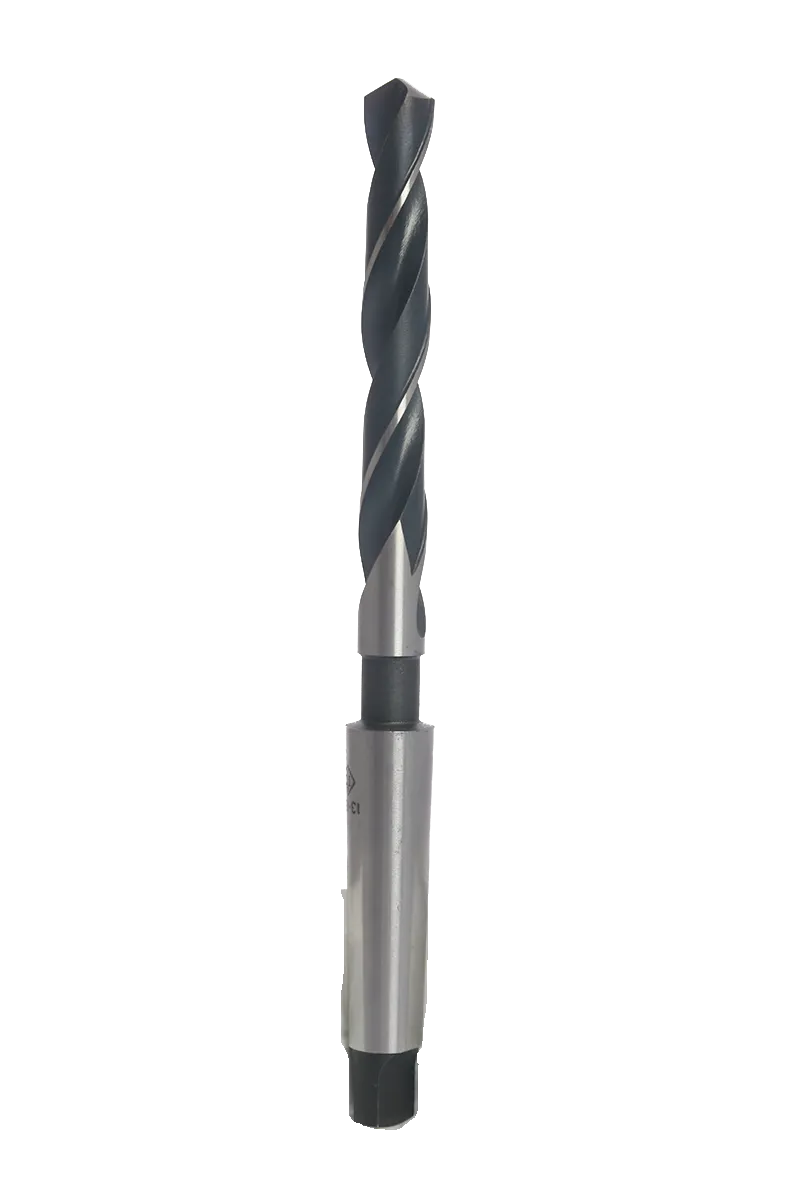
Taper Shank Twist Drills - Oversize Shank
View Details
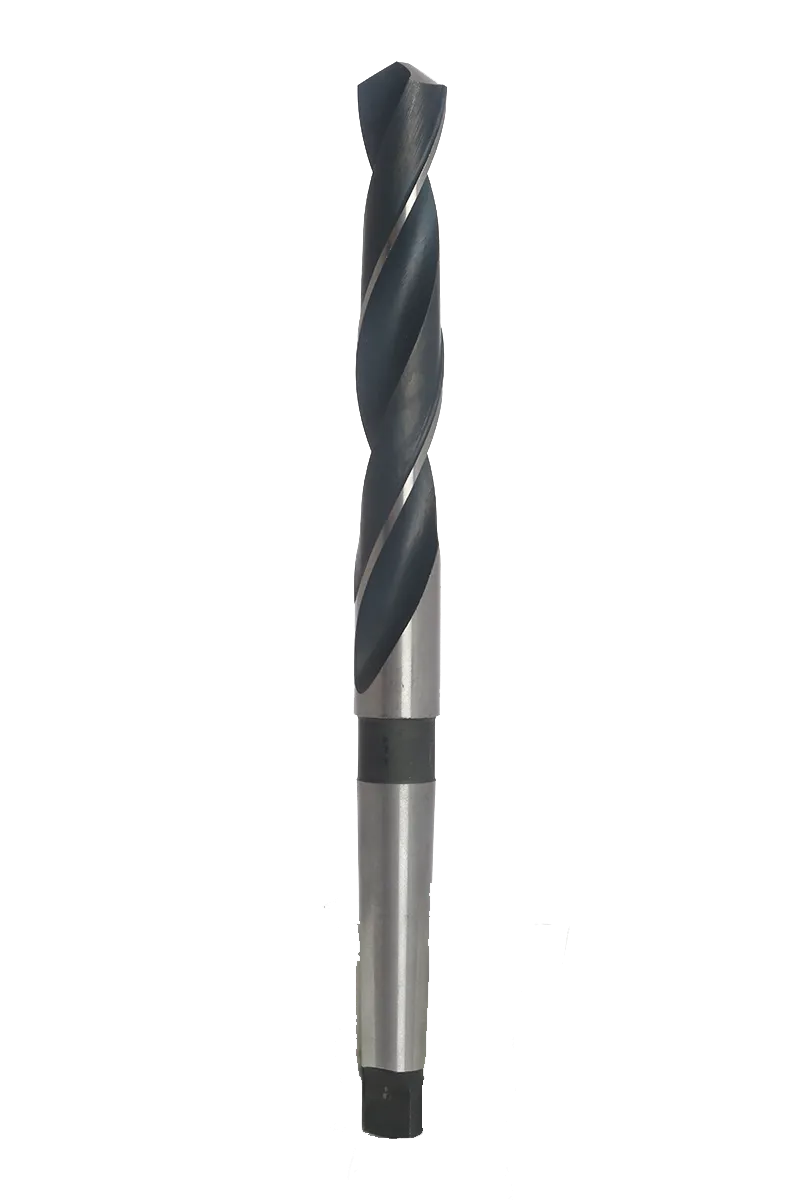
Taper Shank Twist Drills - Standard Shank
View Details
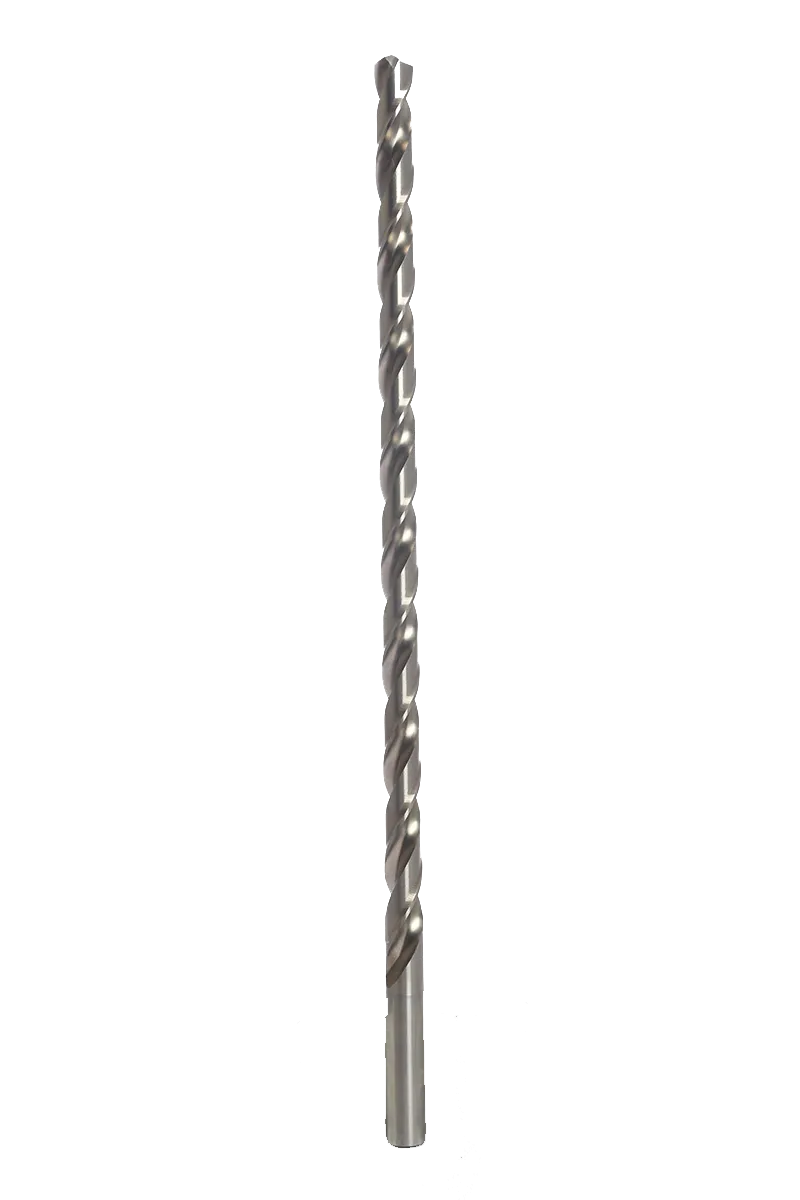
Parallel Shank Twist Drills - Extra Long Series
View Details
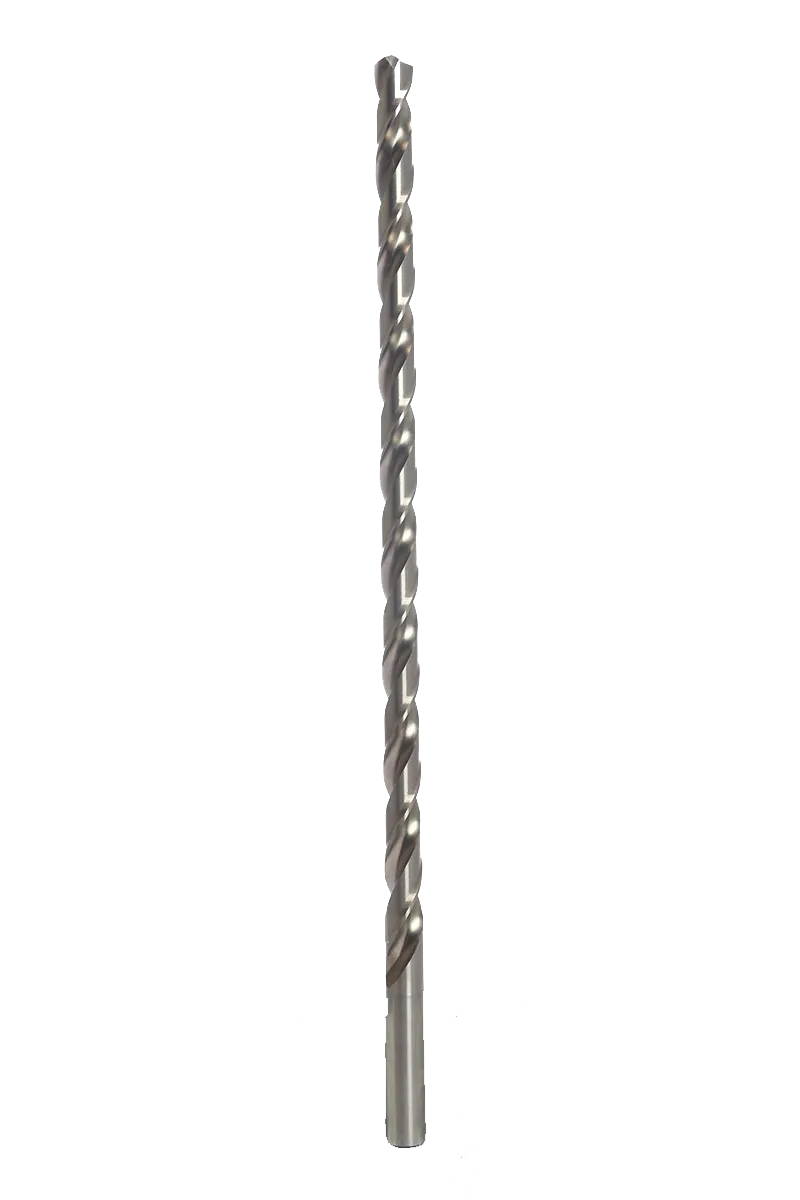
Parallel Shank Twist Drills - Long Series
View Details

Parallel Shank Twist Drills - Jobber Series
View Details
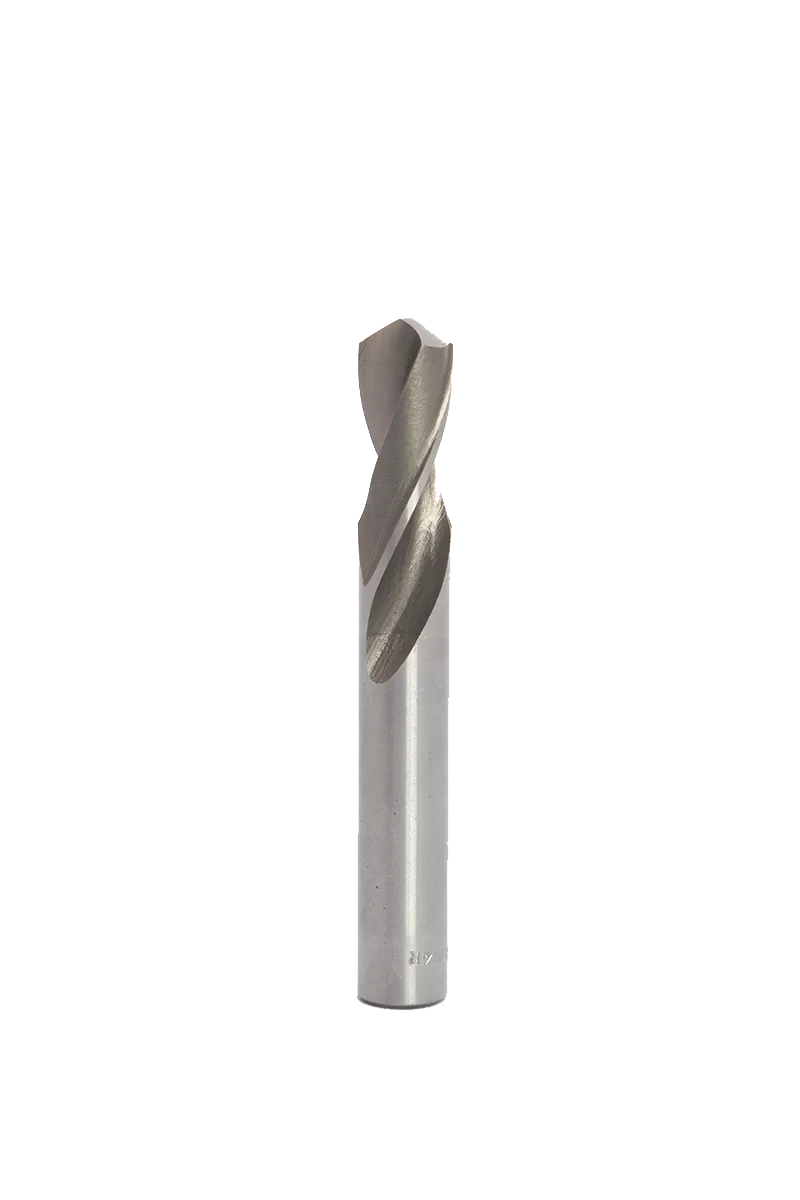
Parallel Shank Twist Drills - Stub Series
View Details

SOLID CARBIDE END MILLS
View Details

SOLID CARBIDE DRILLS
View Details
Chat With Us