



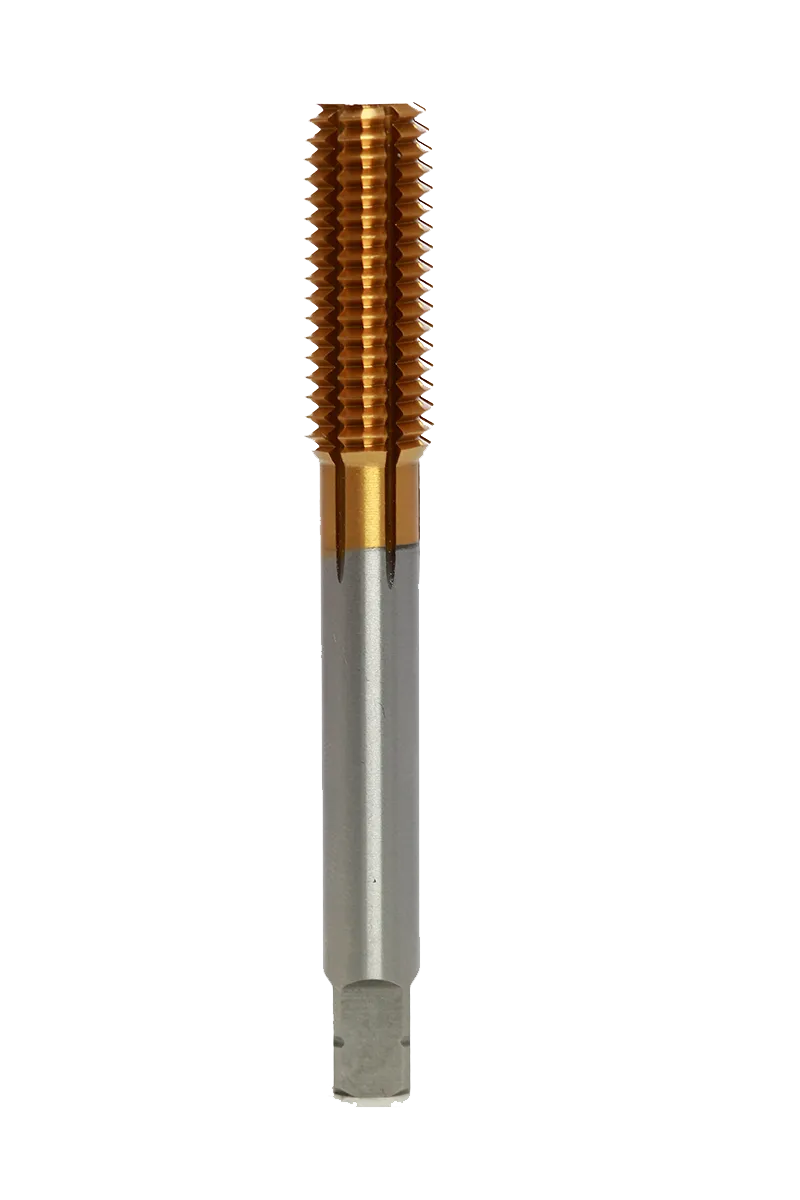
Roll Form Taps - Torpedo Series
Short Description
Not every threading job needs a tap that cuts. When you're working with softer, ductile metals, forming the thread by displacing material instead of cutting it away often gives a stronger, cleaner result, and that's exactly what the Torpedo Series is built for. These taps have no flutes, because there are no chips to clear. Instead, the tool presses the thread into shape, following the natural grain of the metal and leaving a finish that a cutting tap can't quite match. Genuine Enterprises manufactures these roll form taps for shops threading aluminium, brass, mild steel, and similar materials where thread strength matters as much as speed.
- Material: manufactured from hardened high speed steel to withstand the pressure of the forming process.
- Grades: available in standard HSS and cobalt-alloyed HSS-Co for tougher ductile metals.
- Thread Type: covers Metric Coarse and Metric Fine threads, with UNC and UNF options on request.
- Size Range: produced from M2 up to M20, with additional sizes available on inquiry.
- Surface Finish: supplied bright or with a TiN coating to reduce friction during forming.
- Standards Compliance: geometry follows DIN 371 form tap specifications.
- Hardness Range Suited: intended for materials up to roughly 32 HRC, since forming relies on the metal's ductility rather than hardness.
Key Features
- Fluteless design that forms threads without producing chips
- Displaces material to follow the metal's natural grain flow
- Suited to blind holes where chip removal is normally a concern
- Available in bottoming and plug styles for different hole depths
- Built from hardened high speed steel for extended service life
- Ground with lubrication grooves to reduce friction during forming
- Runs at higher tapping speeds than comparable cutting taps
- Sized to standard metric thread charts for straightforward tool selection
Applications of Roll Form Taps - Torpedo Series
- Threading aluminium housings in electronics and appliance manufacturing
- Tapping sheet metal enclosures and brackets
- Producing threaded holes in automotive trim and interior components
- Working on brass fittings used in plumbing and hydraulics
- Threading thin-walled parts where cut taps risk weakening the material
- Tapping copper components used in electrical assemblies
- Creating threaded holes in mild steel panels and chassis parts
- Producing threads in HVAC ductwork fittings
- Threading zinc die-cast components
- Working on stainless steel brackets within recommended hardness limits
Advantages of Roll Form Taps - Torpedo Series
- Produces stronger threads through grain displacement rather than cutting
- Eliminates chip-related issues, especially in blind holes
- Lasts significantly longer than cutting taps since there's no cutting edge to dull
- Reduces the risk of oversized or loose-fitting threads
- Supports faster cycle times due to higher achievable tapping speeds
- Leaves a smoother thread surface finish
Why Choose Genuine Enterprises
Switching from cutting taps to roll form taps is usually a decision driven by production numbers, not just tool preference, since form tapping cuts down on chip cleanup and tool changeovers across a run. Genuine Enterprises builds the Torpedo Series with that shift in mind, keeping the forming geometry and lubrication grooves consistent across every batch so the transition doesn't introduce new variables on the shop floor. Each size is checked before dispatch to keep hole preparation charts accurate for the buyer.
Shops evaluating a roll form taps supplier in India usually run into the same issue, catalogues that list sizes without confirming actual stock or explaining the pre-tap drill requirements that form tapping depends on. Genuine Enterprises manufactures its own tooling, which means technical guidance on hole sizing comes from people who understand the process, not just the sales sheet. That's a difference that shows up the first time a batch goes through tapping without a hitch.
1.Do roll form taps require a different pre-tap hole size than cutting taps?
Yes, form tapping needs a slightly larger pre-tap hole since the thread is formed by displacing material rather than cutting it away.
2. Can these taps be used on cast iron or hardened steel?
No, roll form taps work best on ductile materials and aren't suited to brittle metals like cast iron or steels above roughly 32 HRC.
3. Are roll form taps better for blind holes or through holes?
They're best suited to blind holes, since through holes can sometimes see the exit thread distort slightly during forming.
4. How much longer do these taps last compared to cutting taps?
Depending on the material and application, roll form taps typically last several times longer than standard cutting taps because there's no cutting edge to wear down.
5. Do I need to run these taps at a different speed than cutting taps?
Yes, roll form taps generally perform better at higher speeds than cutting taps for the same material, so it's worth adjusting your tapping parameters accordingly.
Related Products

End Mills - Taper Shank
View Details
Grooving Tools
View Details
Annular Cutter
View Details
Diamond Coated Files
View Details

Needle Files
View Details
Engineering Files
View Details
Hathyar - Round Tool Bits
View Details
Hathyar - Parting Tool Bits
View Details

Hathyar - Flat Tool Bits
View Details
HT 1000
View Details
HT 900
View Details
HT 600
View Details
Helicoil Taps
View Details

Cast Iron Taps - Torpedo Series
View Details

Cast Iron Taps - Ninja Series
View Details
Cast Iron Taps - Panther Series
View Details
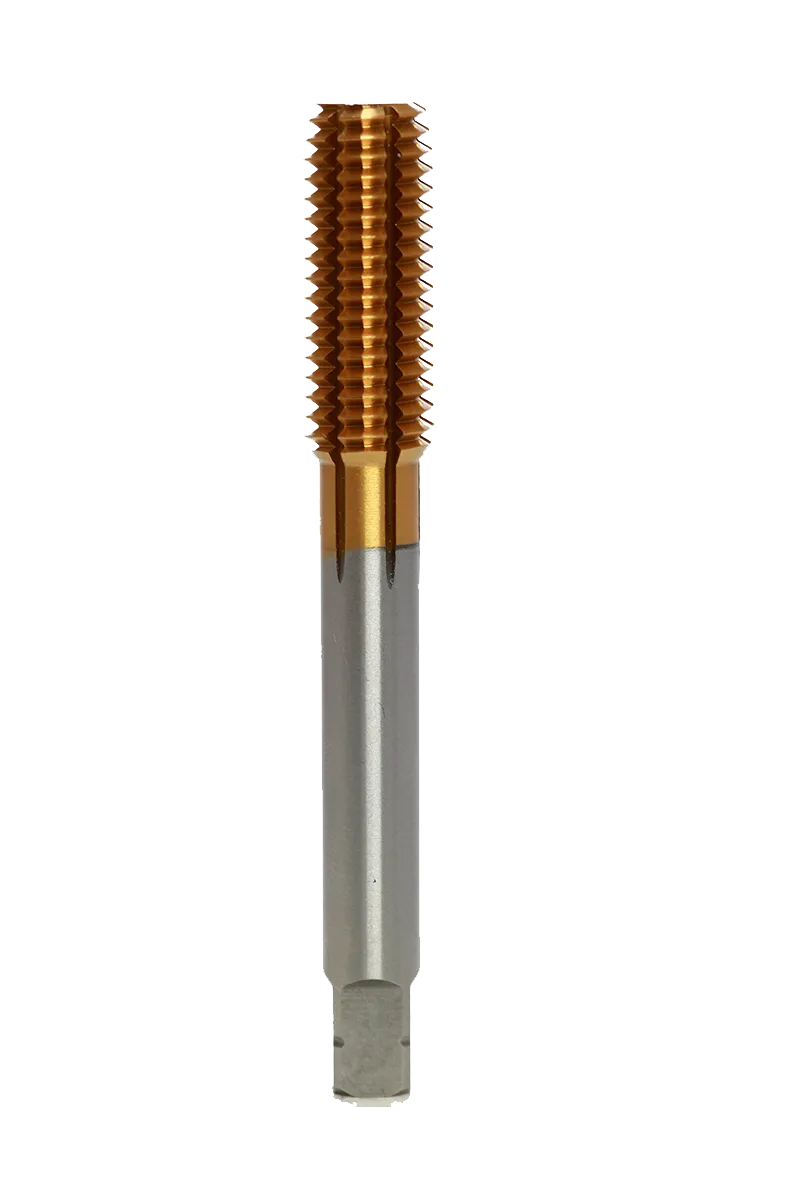
Roll Form Taps - Ninja Series
View Details
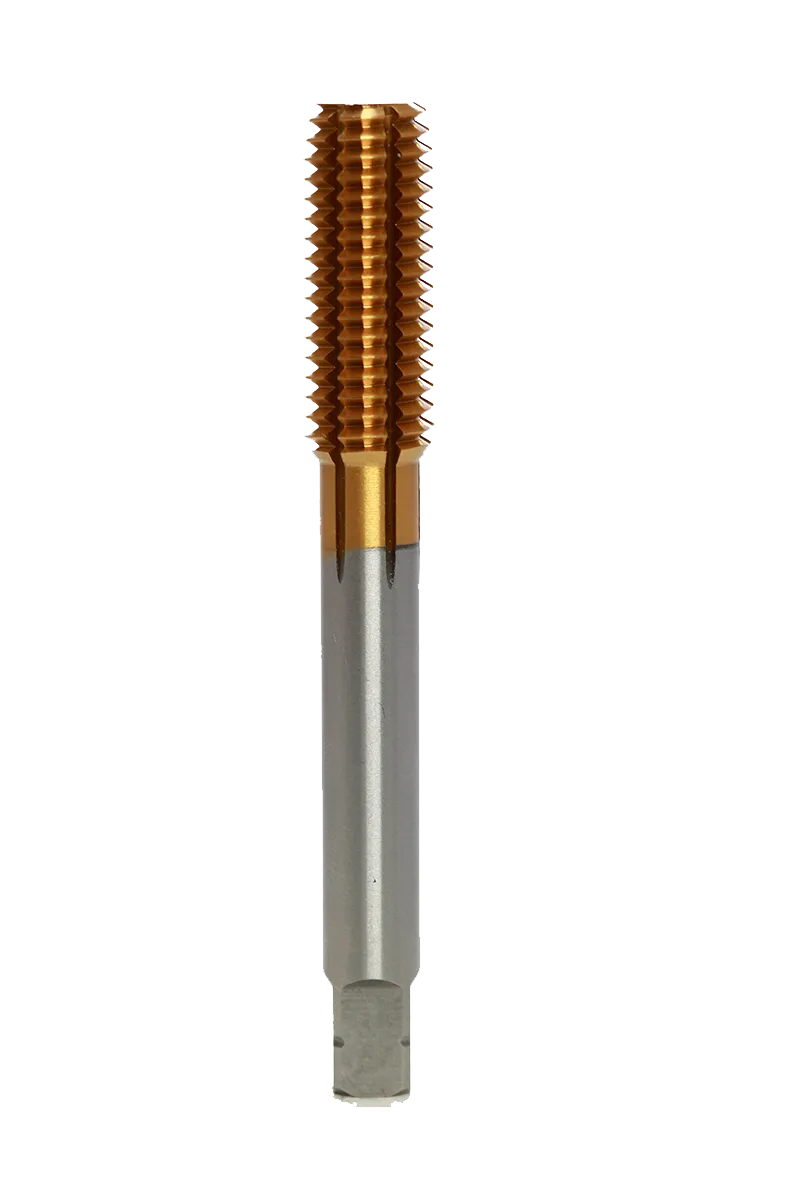
Roll Form Taps - Panther Series
View Details
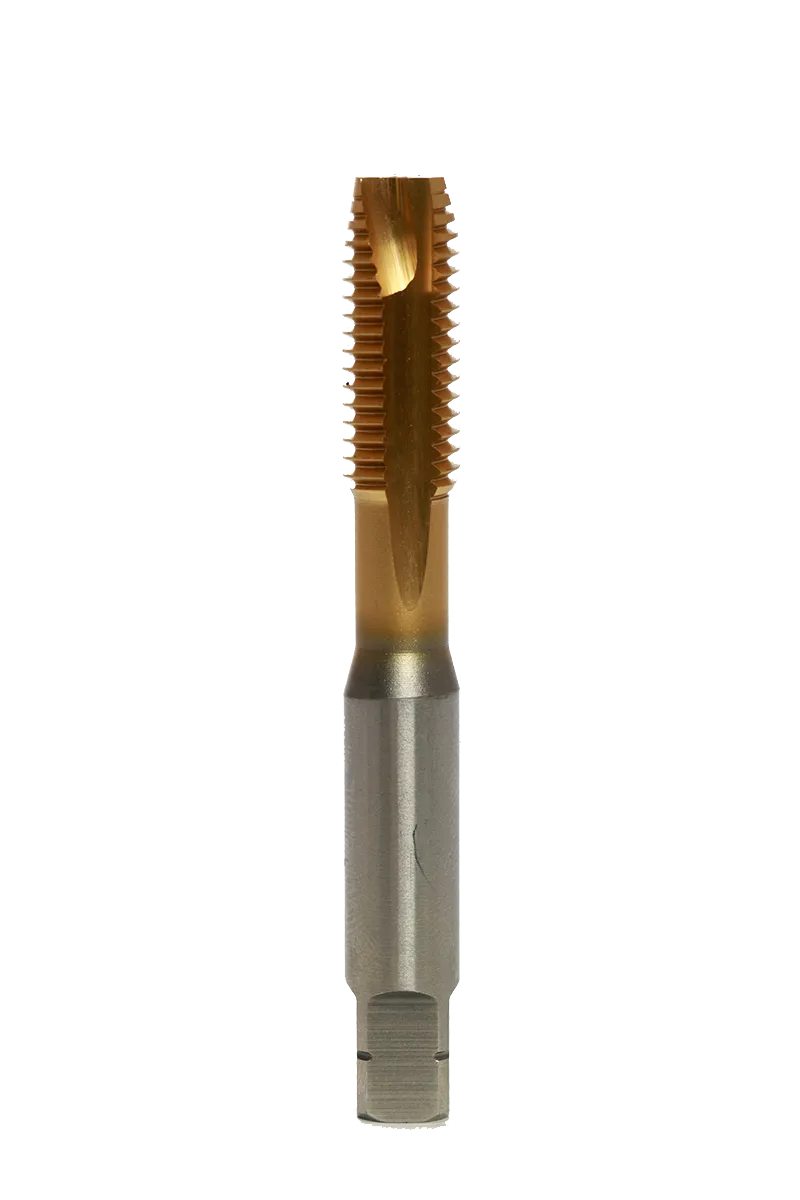
Spiral Point Taps - Torpedo Series
View Details
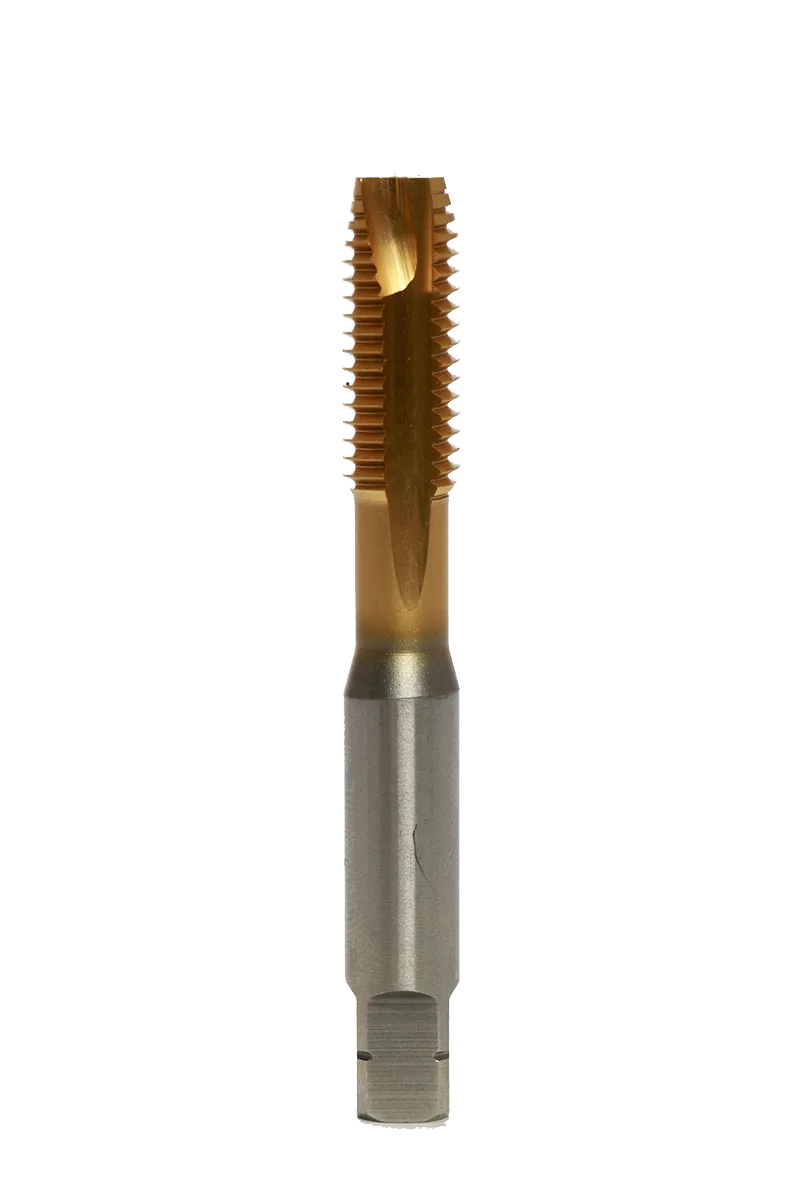
Spiral Point Taps - Ninja Series
View Details

Spiral Point Taps - Panther Series
View Details
Spiral Fluted Taps - Torpedo Series
View Details
Spiral Fluted Taps - Ninja Series
View Details

Spiral Fluted Taps - Panther Series
View Details
Metric
View Details
BSW
View Details
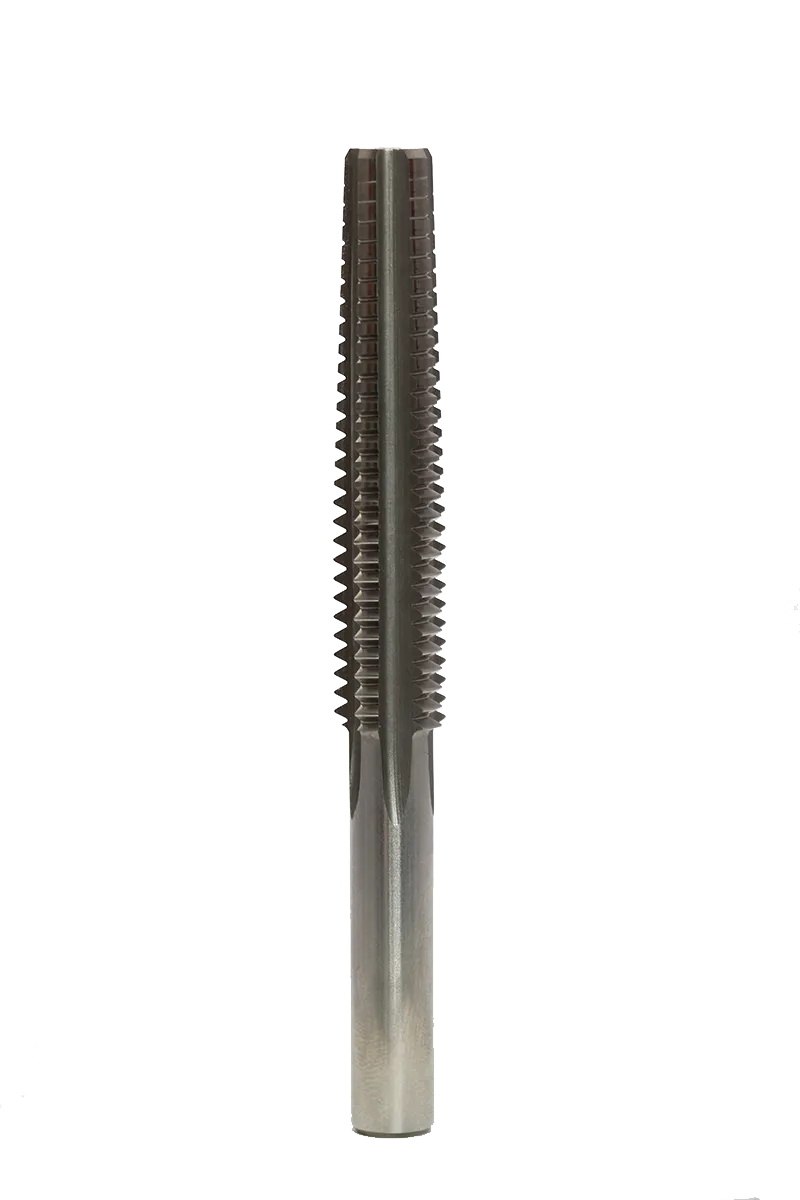
Metric Fine
View Details

Metric Coarse
View Details
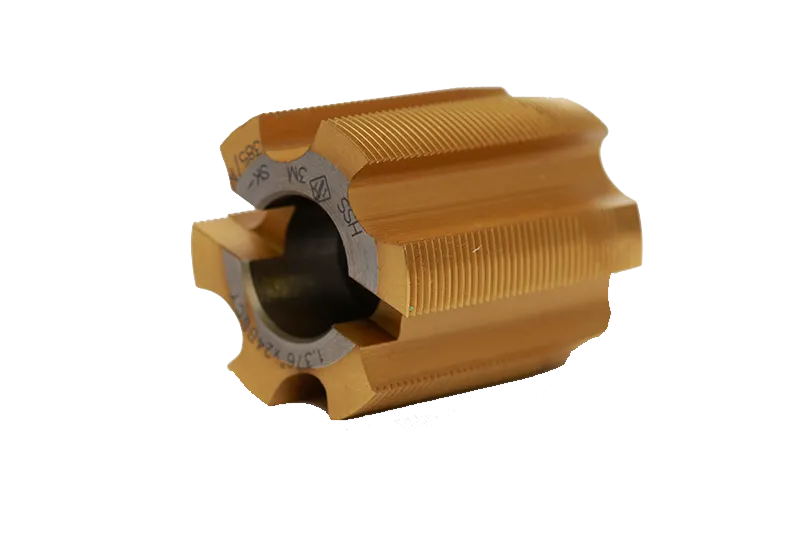
Shell Taps
View Details

BSCy
View Details
-NGT.webp)
Taper Pipe Hand Taps (Gas)-NGT
View Details
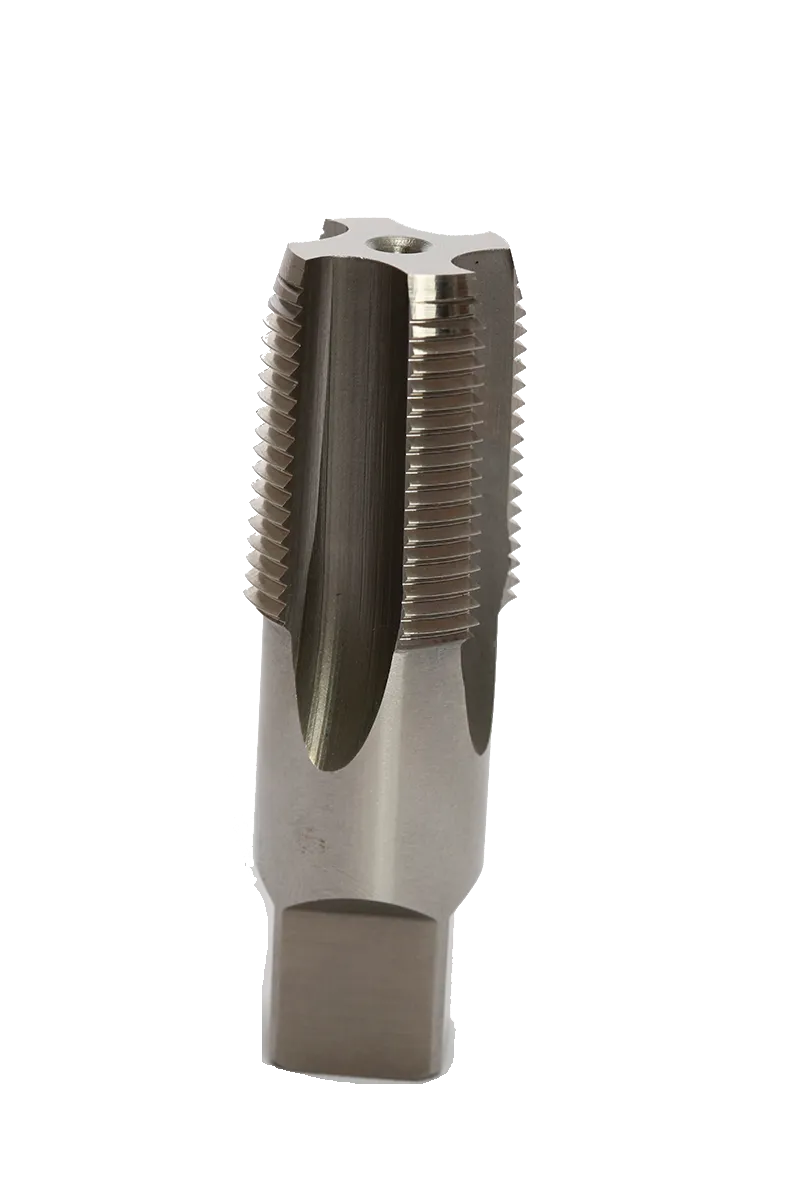
Taper Pipe Hand Taps - NPT
View Details
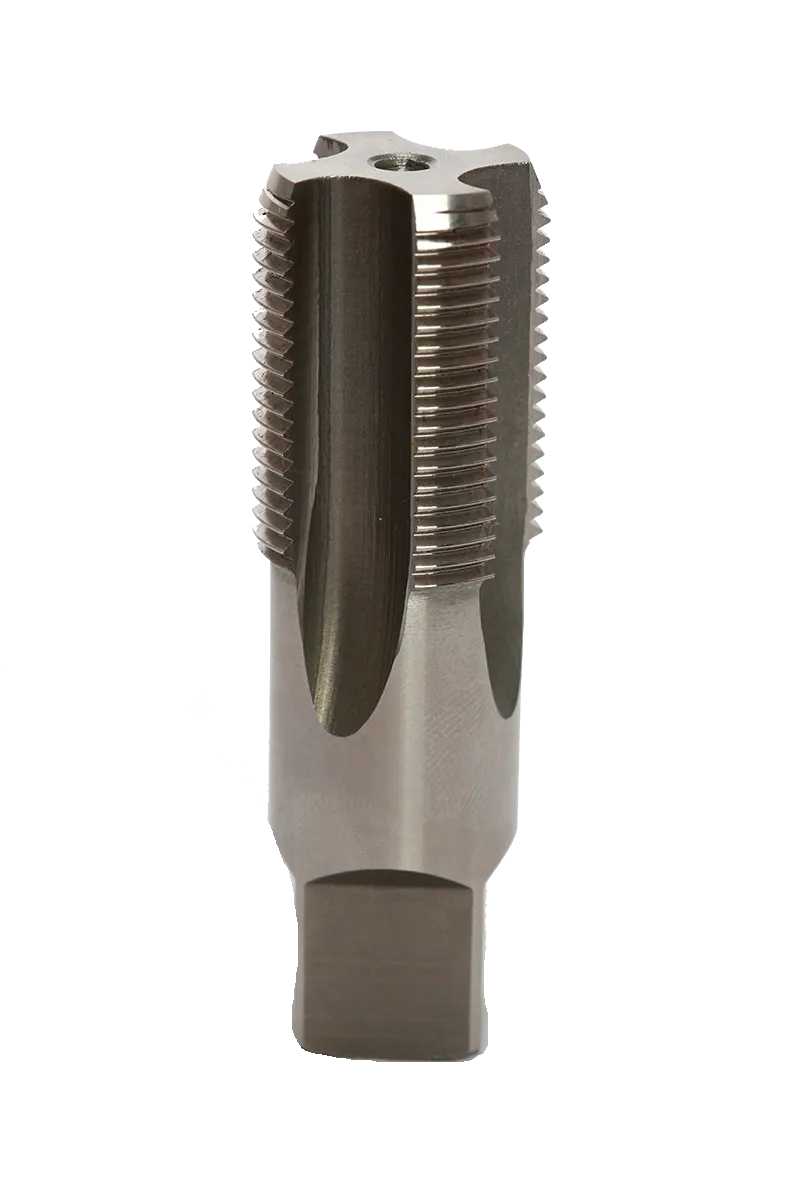
Straight Pipe Hand Taps - NPS
View Details
BSPT
View Details
BSP
View Details

Long Shank Machine Tap - Fine Pitch
View Details

Long Shank Machine Tap - Coarse Pitch
View Details
UNF
View Details
UNC
View Details
Hand & Short Machine Tap Fine Pitch
View Details
Hand & Short Machine Tap - Coarse Pitch
View Details

High Performance Torpedo Series Drill Bits
View Details

High Performance Ninja Series Drill Bits
View Details
High Performance Panther Series Drill Bits
View Details
Roughing End Mill
View Details

Ball Nose End Mill
View Details

Countersinks with included angle 60°,90°&120° - Taper Shank
View Details

Taper Shank and Detachable Pilot
View Details

Counterbores with Parallel Shank & Solid Pilots
View Details

Countersink 90° with MT Shank and Detachable Pilot
View Details
Countersink 90° with Parallel Shank and Solid Pilot
View Details

Woodruff keyslot Milling Cutter with Parallel Shank
View Details

Dove-Tail Milling Cutters
View Details

T-Slot Cutters - Taper Shank
View Details
T-Slot Cutters - Parallel Shank
View Details
Endmills
View Details

Slot Drills
View Details
End Mills - Parallel Shank
View Details

Slot Milling Cutters - Taper Shank
View Details
Slot Milling Cutters - Parallel Shank
View Details
Double Corner Rounding Cutters
View Details
Single Corner Rounding Cutters
View Details
Concave Milling Cutters
View Details
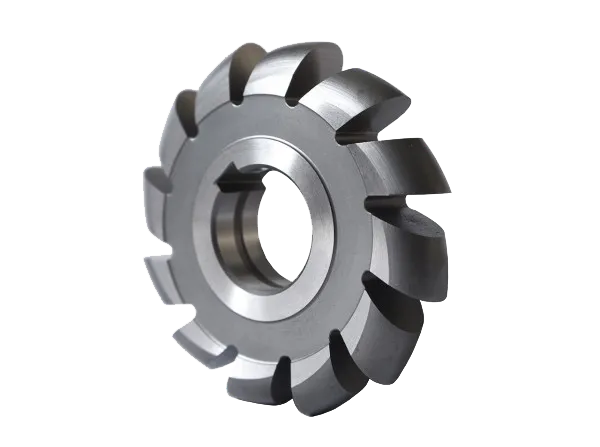
Convex Milling Cutters
View Details

Hollow Mills
View Details

Keyway Milling Cutters
View Details

Slotting Cutters
View Details
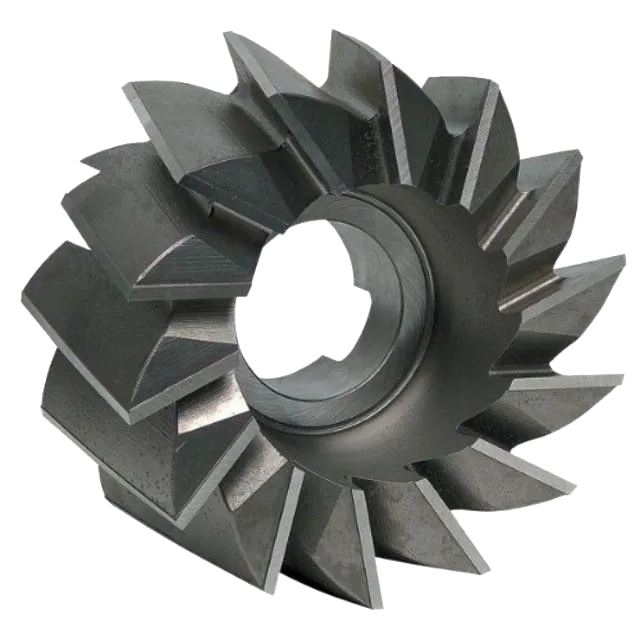
Face Cutters
View Details
Shell End Single Angle Cutters
View Details

Equal Angle Cutters
View Details

Double Angle Cutters
View Details
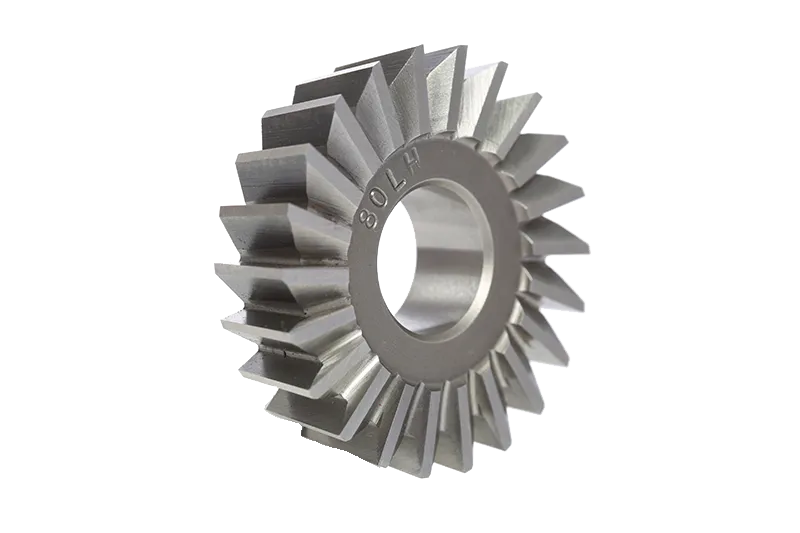
Single Angle Cutters
View Details
Shell End Mills
View Details

Staggered Teeth
View Details

Straight Teeth
View Details
Cylindrical Milling Cutters
View Details
High Performance Reamers
View Details
Taper Pipe Reamer
View Details

Guided Type B
View Details

Unguided Type A
View Details
Machine Bridge Reamers
View Details
Machine Reamers
View Details
Hand Reamers
View Details

Socket Reamers with Taper Shank
View Details

Socket Reamers with Parallel Shank
View Details
Shell Reamers
View Details

Machine Chucking Reamers with Taper Shank
View Details
Machine Chucking Reamers with Parallel Shank
View Details
Parallel Machine Reamers
View Details

Long Fluted Machine Reamers
View Details
Parallel Hand Reamers
View Details

B.S
View Details
Type R
View Details
Type B
View Details

Type A
View Details

Drill Sets
View Details
Carbide Tipped
View Details

Torpedo Series
View Details
Ninja Series
View Details
Panther Series
View Details
-2.webp)
Taper Pin Twist Drills
View Details
Sublan Twist Drills
View Details
Parallel Shank Sublan Twist Drills
View Details
Shell Core drills
View Details

Taper Shank Core Drills
View Details

Taper Shank Twist Drills for Forged Material - Extra Long Series
View Details
Taper Shank Twist Drills for Forged Material - Long Series
View Details

Taper Shank Twist Drills for Forged Material - Oversize Shank
View Details

Taper Shank Twist Drills for Forged Material - Standard Shank
View Details
.webp)
Taper Shank Twist Drills - Extra Long Series
View Details
.webp)
Taper Shank Twist Drills - Long Series
View Details
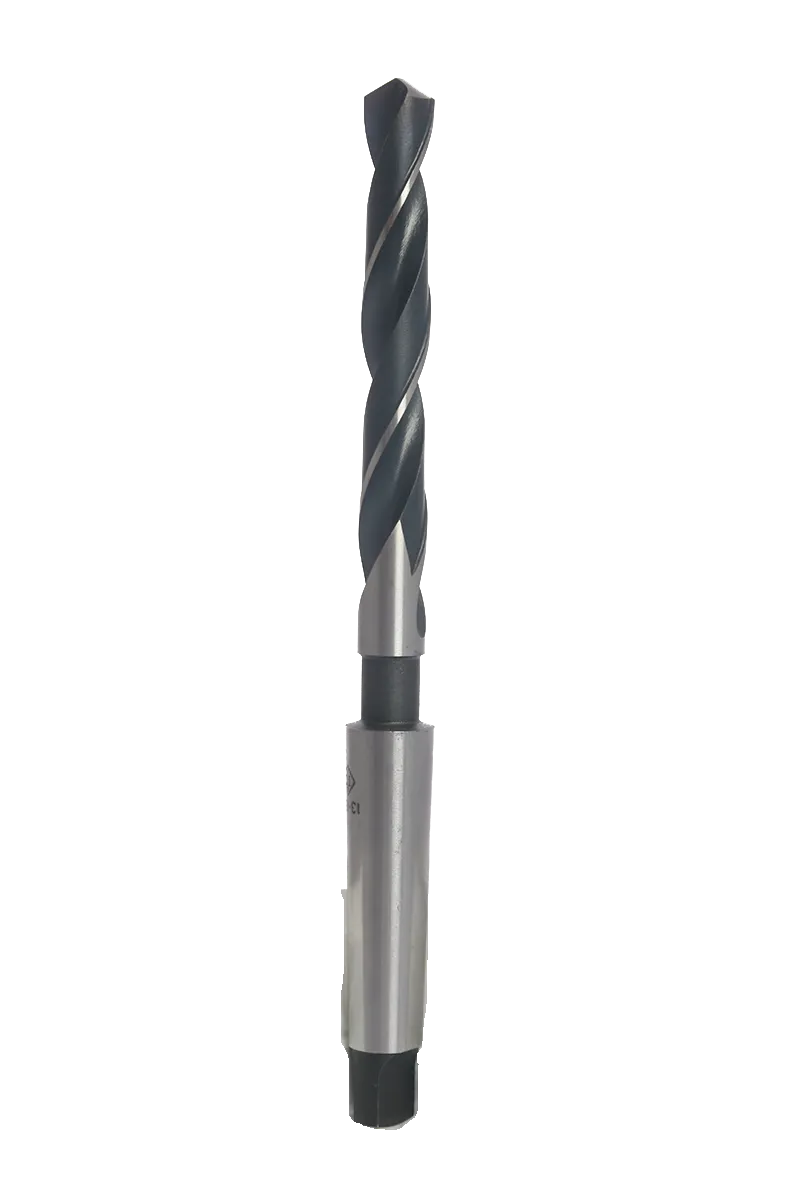
Taper Shank Twist Drills - Oversize Shank
View Details
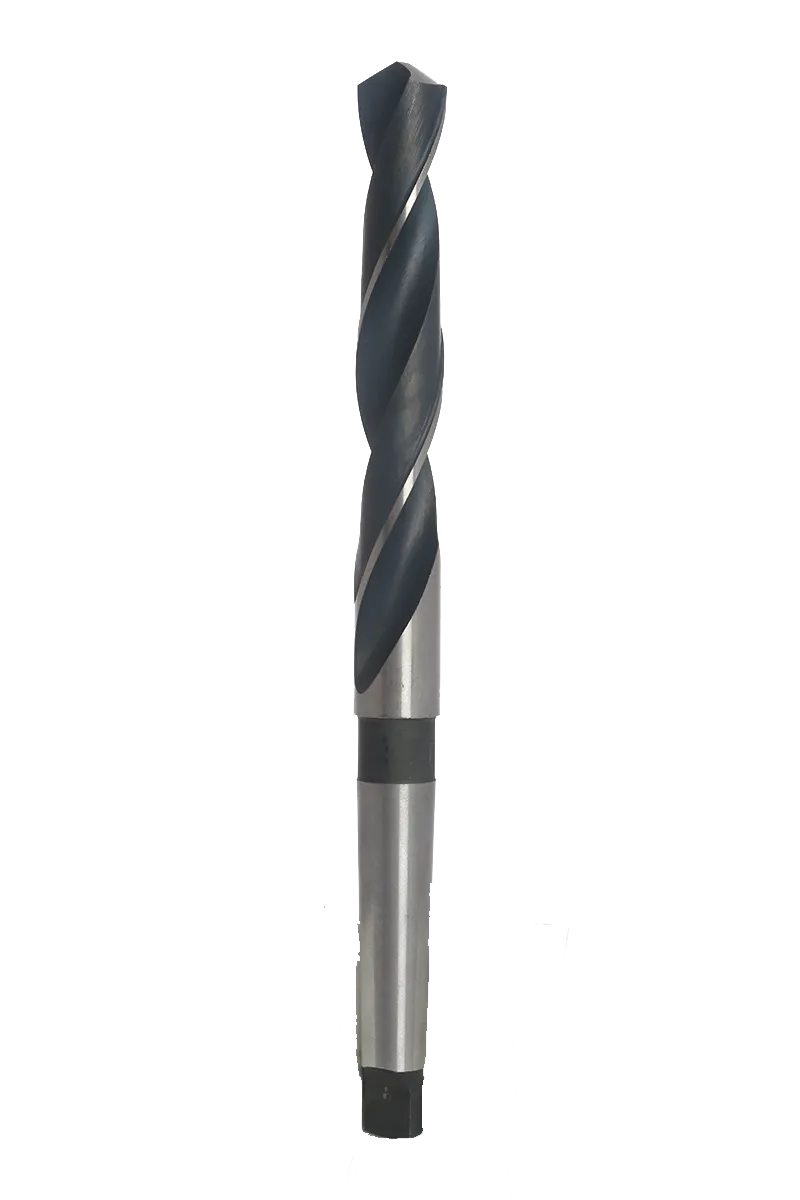
Taper Shank Twist Drills - Standard Shank
View Details
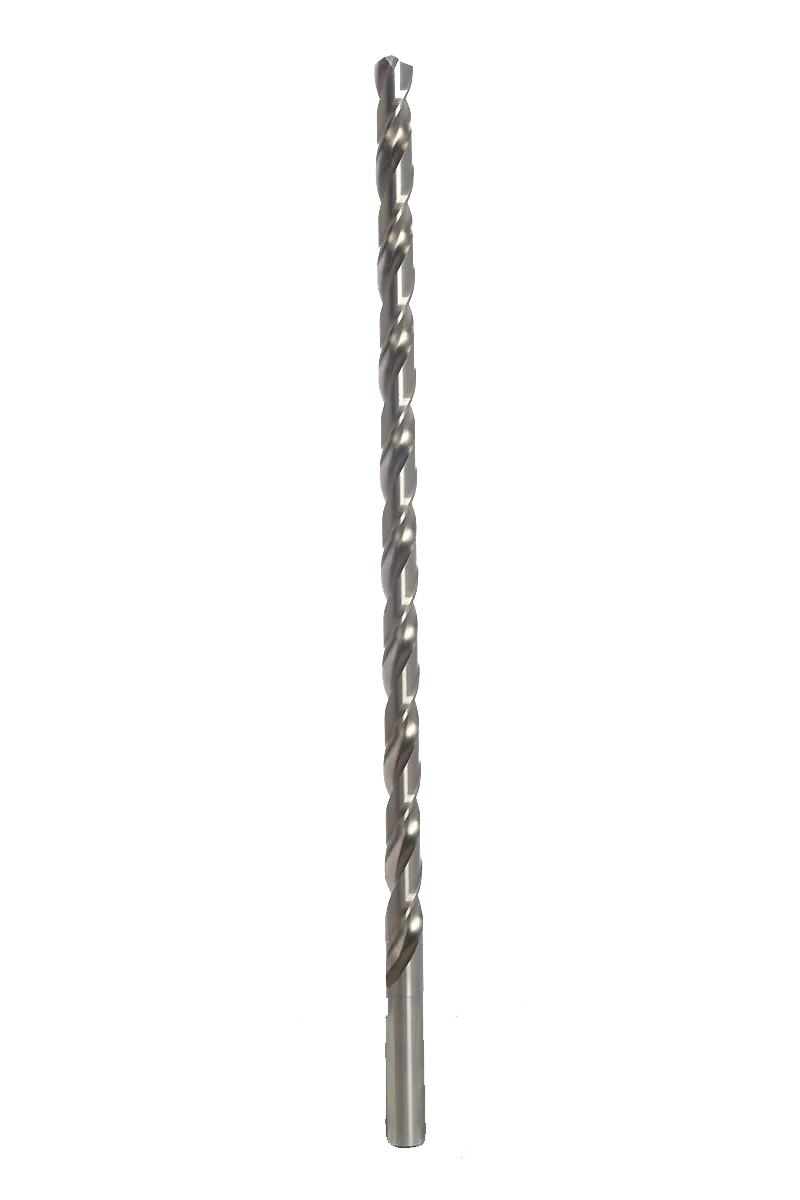
Parallel Shank Twist Drills - Extra Long Series
View Details
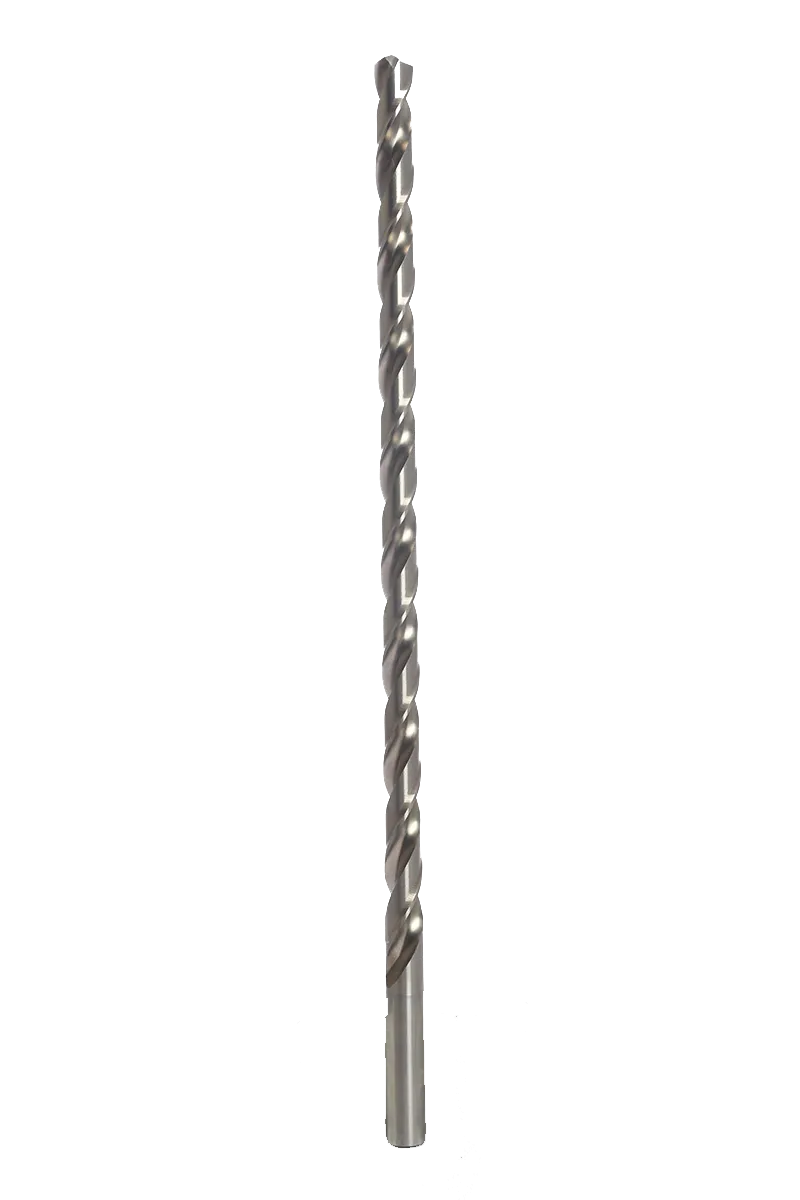
Parallel Shank Twist Drills - Long Series
View Details

Parallel Shank Twist Drills - Jobber Series
View Details
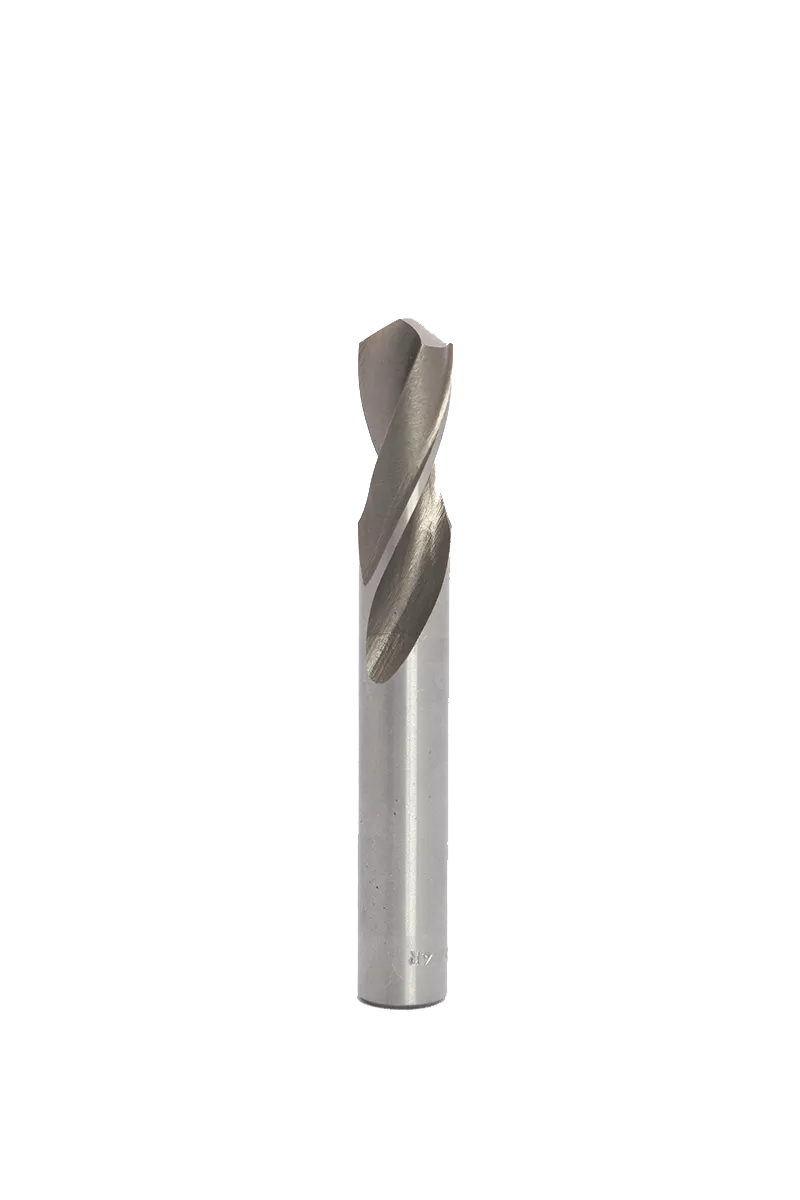
Parallel Shank Twist Drills - Stub Series
View Details

SOLID CARBIDE END MILLS
View Details

SOLID CARBIDE DRILLS
View Details
Chat With Us