




Spiral Point Taps - Torpedo Series
Short Description
Watch a spiral point tap cut through a through hole and you'll notice something the name doesn't quite explain, the chips don't collect anywhere near the cutting edge. They get pushed forward, out the far side of the hole, thanks to an angled cutting face ground into the tip. That's the whole idea behind this style of tap, sometimes called a gun tap because of how the chips shoot out ahead of it. The Torpedo Series is built on that same principle, with straight flutes and a shallow flute depth that adds core strength while keeping chip flow moving in the right direction. Genuine Enterprises manufactures these spiral point taps for production environments where speed and consistency on through-hole threading matter.
- Material: manufactured from high speed steel for consistent cutting performance.
- Grades: offered in standard HSS and cobalt HSS-E for tougher alloys and stainless steel.
- Thread Type: covers Metric Coarse and Metric Fine, with UNC and UNF available on request.
- Size Range: produced from M2 to M24, with special sizes on inquiry.
- Surface Finish: supplied bright or with TiN and TiCN coatings for extended tool life.
- Standards Compliance: geometry follows DIN 371 and DIN 376 specifications.
- Point Angle: ground with a spiral point angle that directs chips forward, away from the cutting zone.
Key Features
- Angled cutting face pushes chips forward and out through the hole
- Straight flutes allow steady coolant and lubricant flow to the cutting edge
- Shallower flute depth increases core strength and reduces breakage risk
- Built for through-hole tapping on CNC and manual machines alike
- Runs at higher tapping speeds compared to spiral flute taps
- Polished flute surface reduces friction during cutting
- Available in bottoming and plug point configurations
- Sized to standard metric drill charts for accurate hole matching
Applications of Spiral Point Taps - Torpedo Series
- Threading through holes in mild steel components
- Tapping structural brackets and mounting plates
- Producing threaded holes in aluminium enclosures and panels
- Working on stainless steel components in CNC production runs
- Threading fixture and jig components in tooling manufacture
- Creating threaded holes in brass and copper fittings
- Tapping flanges and connection points in fabricated assemblies
- Producing through-hole threads in automotive body components
- Working on machine frame panels and covers
- Threading general fabrication parts across high-volume production lines
Advantages of Spiral Point Taps - Torpedo Series
- Keeps chips clear of the cutting zone, reducing flute clogging
- Supports faster tapping speeds than spiral flute alternatives
- Reduces tap breakage through added core strength
- Produces consistent thread quality across long production runs
- Lowers cutting torque, easing load on tapping equipment
- Well suited to automated, high-volume through-hole tapping
Why Choose Genuine Enterprises
Through-hole tapping at volume tends to expose weaknesses in a tap fairly quickly, whether that's chip packing, inconsistent thread depth, or premature wear. The Torpedo Series is built to hold up under that kind of repeated use, with point geometry and flute depth checked against DIN specifications before any batch ships. Genuine Enterprises tests chip evacuation performance across different materials so the tap behaves the same way it did in the trial run once it's on the shop floor.
Manufacturers comparing options from a spiral point taps supplier in India often run into inconsistent coatings or point angles between batches, which shows up as unpredictable chip flow on the line. Genuine Enterprises manufactures its own tooling, which keeps point geometry consistent order after order, so a size that worked well last month performs the same way this month.
1.Can spiral point taps be used in blind holes?
No, they're designed for through holes since the chips are pushed forward and need somewhere to exit.
2. Why are spiral point taps faster than spiral flute taps?
Because chips are pushed clear of the cutting zone instead of collecting in the flutes, which allows higher tapping speeds without clogging.
3. Are these taps suitable for stainless steel?
Yes, the cobalt HSS-E grade is recommended for stainless steel and other tougher alloys.
4. What's the difference between bottoming and plug point taps in this series?
Plug point taps have a longer chamfer for general use, while bottoming taps have a shorter chamfer for threading closer to the base of a through hole.
5. Do these taps require a coated finish for production use?
Not always. Bright finish works for lower-volume jobs, while TiN or TiCN coatings are better suited to sustained high-volume tapping.
Related Products

End Mills - Taper Shank
View Details
Grooving Tools
View Details
Annular Cutter
View Details
Diamond Coated Files
View Details
Needle Files
View Details
Engineering Files
View Details
Hathyar - Round Tool Bits
View Details
Hathyar - Parting Tool Bits
View Details

Hathyar - Flat Tool Bits
View Details
HT 1000
View Details
HT 900
View Details
HT 600
View Details
Helicoil Taps
View Details

Cast Iron Taps - Torpedo Series
View Details

Cast Iron Taps - Ninja Series
View Details
Cast Iron Taps - Panther Series
View Details

Roll Form Taps - Torpedo Series
View Details
Roll Form Taps - Ninja Series
View Details
Roll Form Taps - Panther Series
View Details
Spiral Point Taps - Ninja Series
View Details

Spiral Point Taps - Panther Series
View Details
Spiral Fluted Taps - Torpedo Series
View Details
Spiral Fluted Taps - Ninja Series
View Details

Spiral Fluted Taps - Panther Series
View Details
Metric
View Details
BSW
View Details
Metric Fine
View Details

Metric Coarse
View Details
Shell Taps
View Details

BSCy
View Details

Taper Pipe Hand Taps (Gas)-NGT
View Details
Taper Pipe Hand Taps - NPT
View Details
Straight Pipe Hand Taps - NPS
View Details
BSPT
View Details
BSP
View Details

Long Shank Machine Tap - Fine Pitch
View Details

Long Shank Machine Tap - Coarse Pitch
View Details
UNF
View Details
UNC
View Details
Hand & Short Machine Tap Fine Pitch
View Details
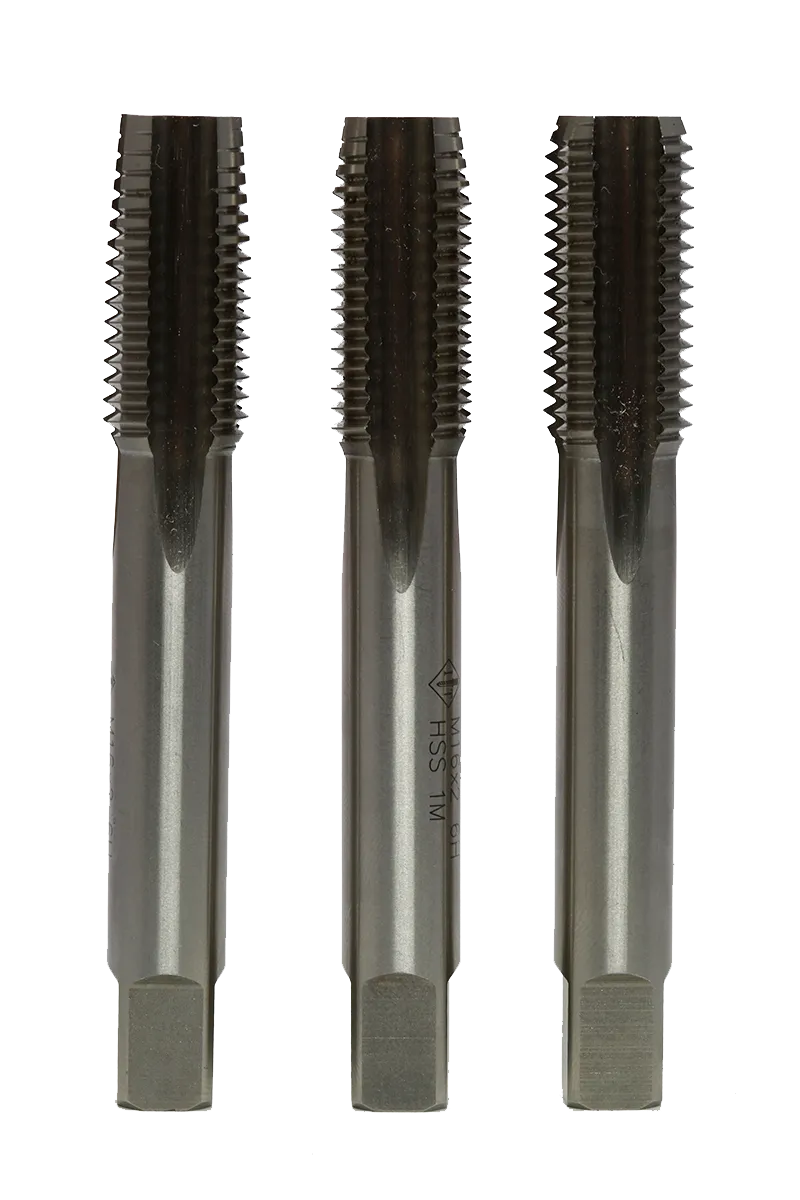
Hand & Short Machine Tap - Coarse Pitch
View Details

High Performance Torpedo Series Drill Bits
View Details

High Performance Ninja Series Drill Bits
View Details
High Performance Panther Series Drill Bits
View Details
Roughing End Mill
View Details

Ball Nose End Mill
View Details

Countersinks with included angle 60°,90°&120° - Taper Shank
View Details

Taper Shank and Detachable Pilot
View Details

Counterbores with Parallel Shank & Solid Pilots
View Details

Countersink 90° with MT Shank and Detachable Pilot
View Details
Countersink 90° with Parallel Shank and Solid Pilot
View Details

Woodruff keyslot Milling Cutter with Parallel Shank
View Details

Dove-Tail Milling Cutters
View Details

T-Slot Cutters - Taper Shank
View Details
T-Slot Cutters - Parallel Shank
View Details
Endmills
View Details

Slot Drills
View Details
End Mills - Parallel Shank
View Details

Slot Milling Cutters - Taper Shank
View Details
Slot Milling Cutters - Parallel Shank
View Details
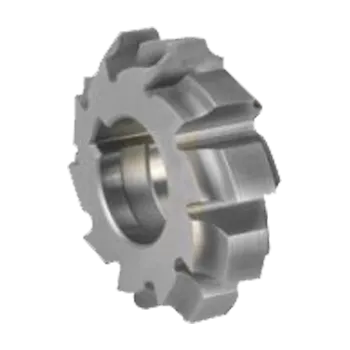
Double Corner Rounding Cutters
View Details
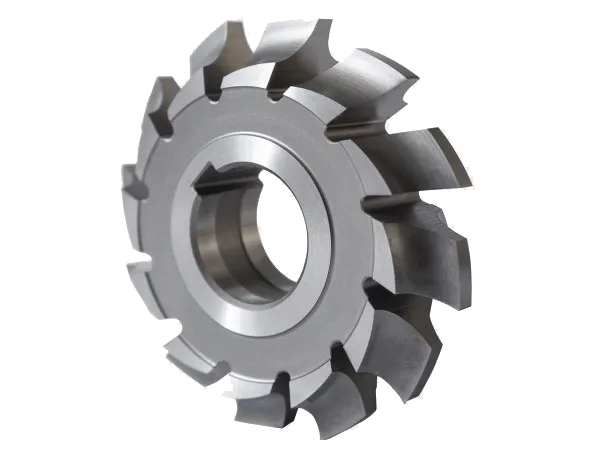
Single Corner Rounding Cutters
View Details
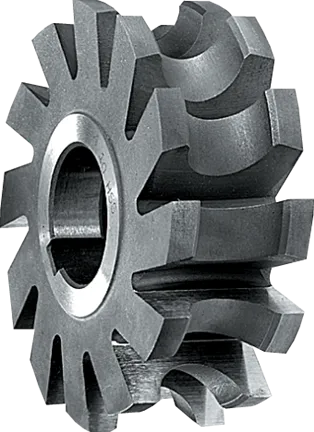
Concave Milling Cutters
View Details
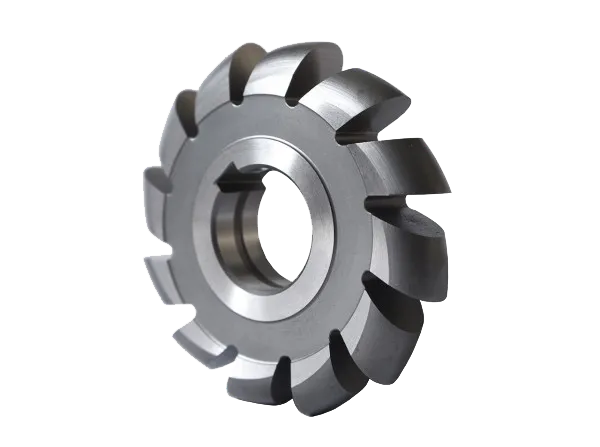
Convex Milling Cutters
View Details

Hollow Mills
View Details
Keyway Milling Cutters
View Details

Slotting Cutters
View Details
Face Cutters
View Details
Shell End Single Angle Cutters
View Details

Equal Angle Cutters
View Details

Double Angle Cutters
View Details
Single Angle Cutters
View Details
Shell End Mills
View Details

Staggered Teeth
View Details

Straight Teeth
View Details
Cylindrical Milling Cutters
View Details
High Performance Reamers
View Details
Taper Pipe Reamer
View Details

Guided Type B
View Details

Unguided Type A
View Details
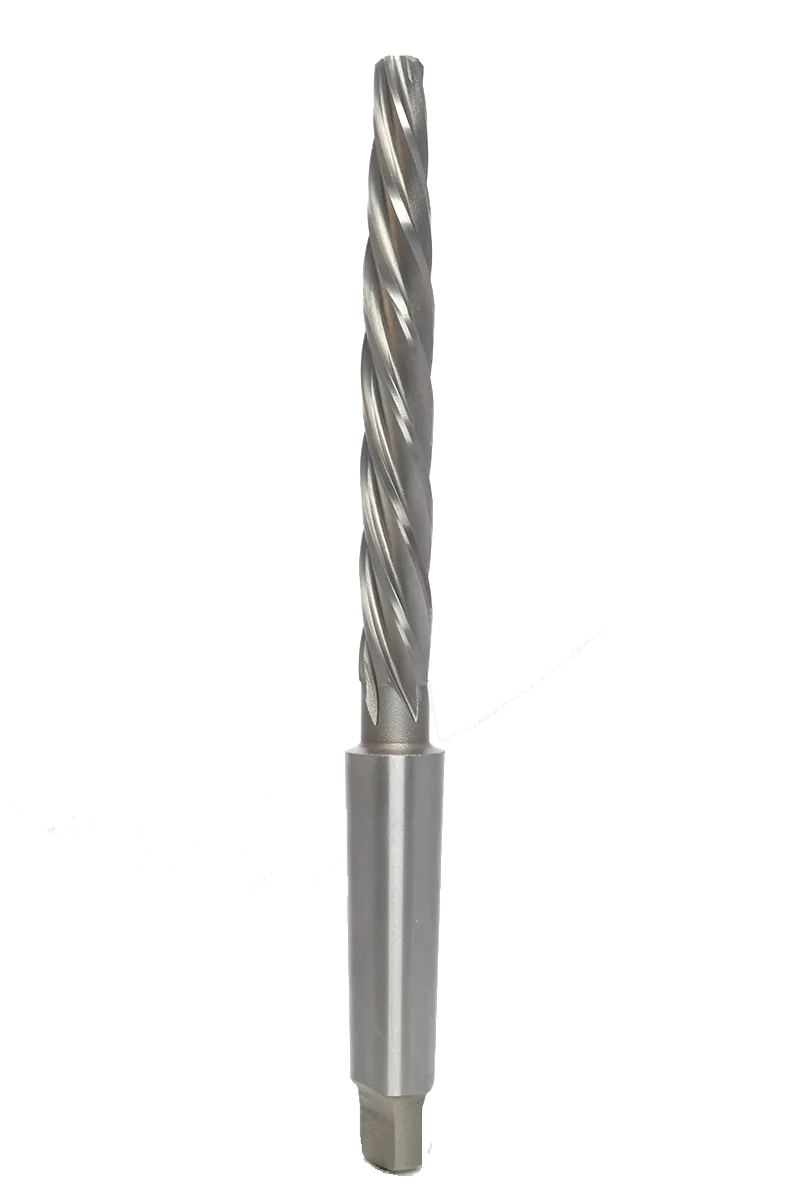
Machine Bridge Reamers
View Details
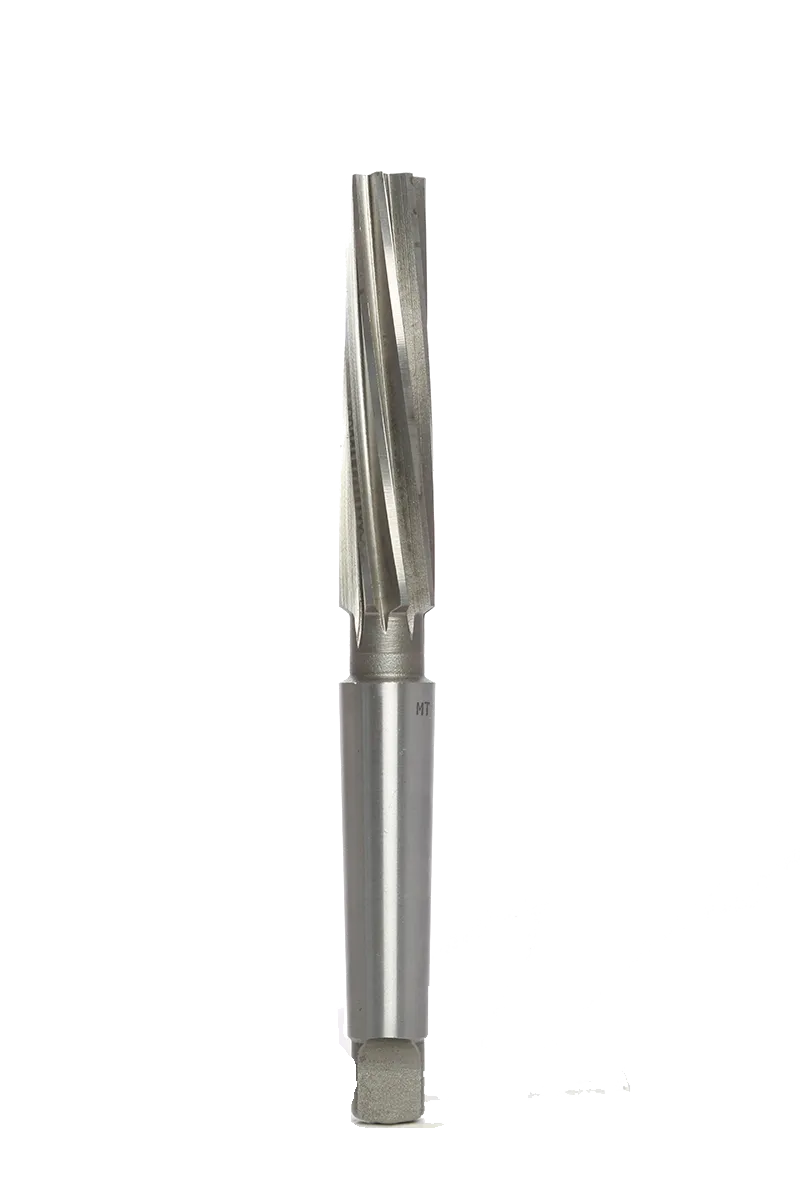
Machine Reamers
View Details
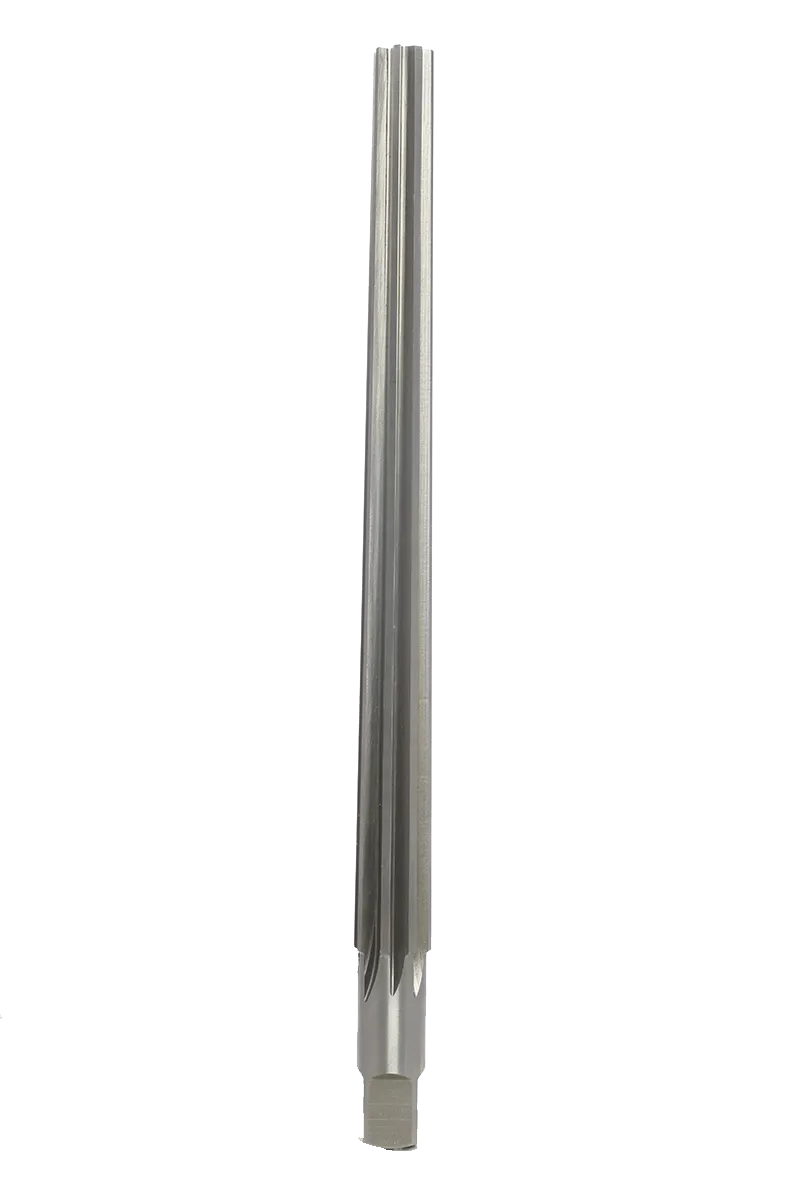
Hand Reamers
View Details

Socket Reamers with Taper Shank
View Details

Socket Reamers with Parallel Shank
View Details
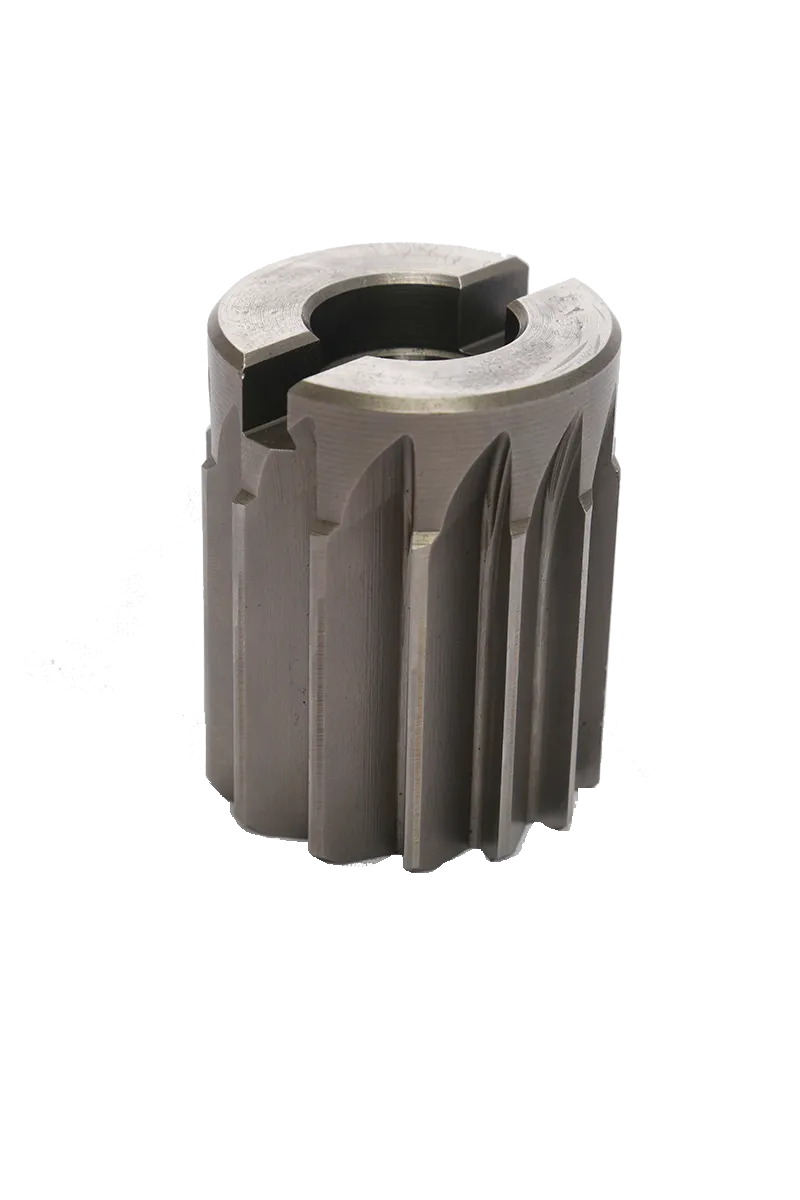
Shell Reamers
View Details

Machine Chucking Reamers with Taper Shank
View Details
Machine Chucking Reamers with Parallel Shank
View Details
Parallel Machine Reamers
View Details

Long Fluted Machine Reamers
View Details
Parallel Hand Reamers
View Details

B.S
View Details
Type R
View Details
Type B
View Details

Type A
View Details

Drill Sets
View Details
Carbide Tipped
View Details

Torpedo Series
View Details
Ninja Series
View Details
Panther Series
View Details
-2.webp)
Taper Pin Twist Drills
View Details
Sublan Twist Drills
View Details
Parallel Shank Sublan Twist Drills
View Details
Shell Core drills
View Details

Taper Shank Core Drills
View Details

Taper Shank Twist Drills for Forged Material - Extra Long Series
View Details
Taper Shank Twist Drills for Forged Material - Long Series
View Details

Taper Shank Twist Drills for Forged Material - Oversize Shank
View Details

Taper Shank Twist Drills for Forged Material - Standard Shank
View Details

Taper Shank Twist Drills - Extra Long Series
View Details

Taper Shank Twist Drills - Long Series
View Details
Taper Shank Twist Drills - Oversize Shank
View Details
Taper Shank Twist Drills - Standard Shank
View Details
Parallel Shank Twist Drills - Extra Long Series
View Details
Parallel Shank Twist Drills - Long Series
View Details

Parallel Shank Twist Drills - Jobber Series
View Details
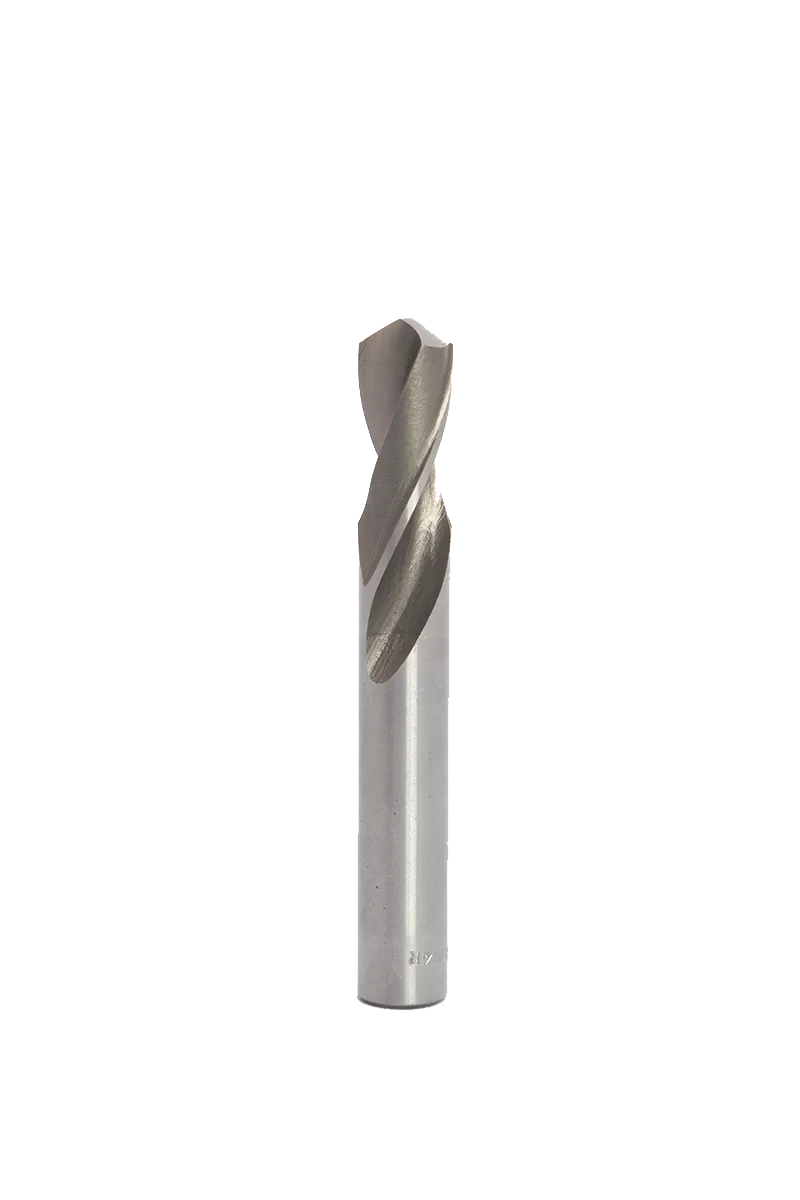
Parallel Shank Twist Drills - Stub Series
View Details

SOLID CARBIDE END MILLS
View Details

SOLID CARBIDE DRILLS
View Details
Chat With Us