



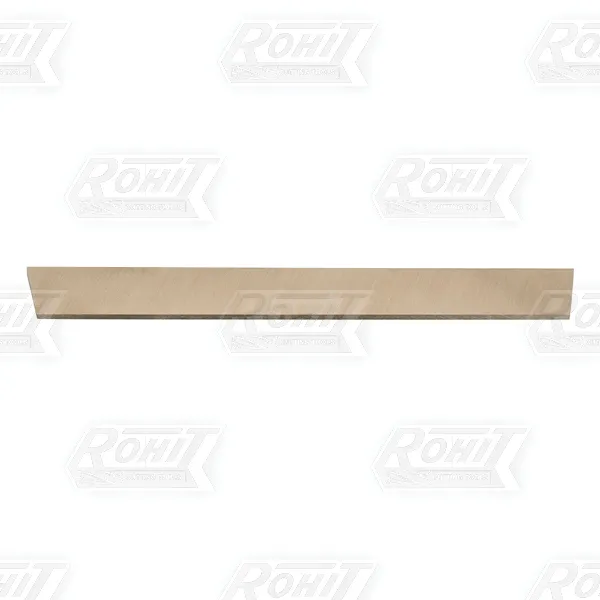
Hathyar - Parting Tool Bits
High-Strength
Short Description
Cutting off a finished component cleanly from bar stock is one of those small steps that can make or break a turning job, and that's exactly where Hathyar parting tool bits earn their place on the tool rack. Ground from high-speed steel and hardened to hold a sharp, narrow cutting edge, these bits are built to slice through material without wandering, chattering, or leaving a rough edge behind. Machinists use them on lathes and automats for separating parts, grooving, and undercutting where a slim blade needs to do a precise job. They're the kind of tool you reach for again and again because the cut just comes out right.
- Material: High-speed steel (HSS), with cobalt-alloyed grades available for tougher jobs
- Grades: M2 for general-purpose cutting, M35 and M42 for harder or abrasive materials
- Hardness: Typically falls in the 62 to 66 HRc range after heat treatment
- Size Range: Available in various blade widths and lengths to suit different lathe capacities
- Cross-Section: Square and flat profiles depending on the holder type used
- Surface Finish: Ground finish on cutting faces for smoother chip flow
- Standards: Manufactured in line with recognized industrial dimensional standards
Key Features
- Made from high-speed steel for long-lasting edge retention
- Hardened to resist wear during continuous parting operations
- Narrow blade profile designed for clean, accurate separation cuts
- Suitable for use on manual lathes, automats, and CNC turning centers
- Available in multiple grades to match different material types
- Ground surfaces for consistent finish and reduced friction during cutting
- Compatible with standard tool holders and blade-type tool posts
- Performs well on both ferrous and non-ferrous materials
Applications of Hathyar Parting Tool Bits
- Separating finished components from bar stock on lathes
- Cut-off operations on automatic lathes and turret machines
- Grooving and necking operations on turned parts
- Trimming excess material after facing or turning
- Producing washers, spacers, and small turned discs
- Undercutting shafts before threading or grinding
- General workshop turning and job work
- Automotive component machining
- Fastener and hardware manufacturing
- Tool room and prototype machining tasks
Advantages of Parting Tool Bits
- Deliver clean, burr-free cuts with minimal material waste
- Hold their edge longer than untreated carbon steel tools
- Reduce the chances of chatter during narrow cutting operations
- Easy to resharpen using standard grinding equipment
- Work well across a range of metals without frequent tool changes
- Help keep cycle times shorter in repetitive turning work
Why Choose Genuine Enterprises
We've spent years supplying cutting tools to workshops that can't afford a bad batch or an inconsistent grind. Every parting tool bit that leaves our facility goes through proper heat treatment and quality checks, so what you get on your lathe matches what you expect on paper. That kind of consistency matters when your production schedule depends on tools performing the same way, shift after shift.
Being a known hathyar supplier in India, we understand the pressure workshops face when a tool fails mid-run and machining time gets wasted. That's why we focus on getting the grade, hardness, and grinding right before a single bit ships out. Our team also stays available for technical queries, so if you're unsure which grade suits your material, you're not left guessing on your own.
1.What is a parting tool bit used for?
It's used to cut off or separate a finished part from bar stock during lathe turning, and it's also handy for grooving and undercutting.
2. Which grade of HSS should I choose for parting tool bits?
M2 works well for general-purpose materials, while M35 or M42 grades are better suited for harder or more abrasive metals.
3. Can these parting tool bits be resharpened?
Yes, they can be reground using a standard grinding wheel, which makes them cost-effective over repeated use.
4. Are these tool bits suitable for CNC lathes as well as manual ones?
Yes, they can be used on both manual and CNC lathes as long as the correct holder and blade size are matched.
5. What causes chatter during parting operations, and can it be avoided?
Chatter usually comes from excess tool overhang or incorrect cutting speed, and using a properly ground, rigid parting bit helps reduce it significantly.
Related Products

End Mills - Taper Shank
View Details
Grooving Tools
View Details
Annular Cutter
View Details
Diamond Coated Files
View Details

Needle Files
View Details
Engineering Files
View Details
Hathyar - Round Tool Bits
View Details

Hathyar - Flat Tool Bits
View Details
HT 1000
View Details
HT 900
View Details
HT 600
View Details
Helicoil Taps
View Details

Cast Iron Taps - Torpedo Series
View Details

Cast Iron Taps - Ninja Series
View Details
Cast Iron Taps - Panther Series
View Details

Roll Form Taps - Torpedo Series
View Details
Roll Form Taps - Ninja Series
View Details
Roll Form Taps - Panther Series
View Details
Spiral Point Taps - Torpedo Series
View Details
Spiral Point Taps - Ninja Series
View Details

Spiral Point Taps - Panther Series
View Details
Spiral Fluted Taps - Torpedo Series
View Details
Spiral Fluted Taps - Ninja Series
View Details

Spiral Fluted Taps - Panther Series
View Details
Metric
View Details
BSW
View Details
Metric Fine
View Details

Metric Coarse
View Details
Shell Taps
View Details

BSCy
View Details
-NGT.webp)
Taper Pipe Hand Taps (Gas)-NGT
View Details
Taper Pipe Hand Taps - NPT
View Details
Straight Pipe Hand Taps - NPS
View Details
BSPT
View Details
BSP
View Details

Long Shank Machine Tap - Fine Pitch
View Details

Long Shank Machine Tap - Coarse Pitch
View Details
UNF
View Details
UNC
View Details
Hand & Short Machine Tap Fine Pitch
View Details
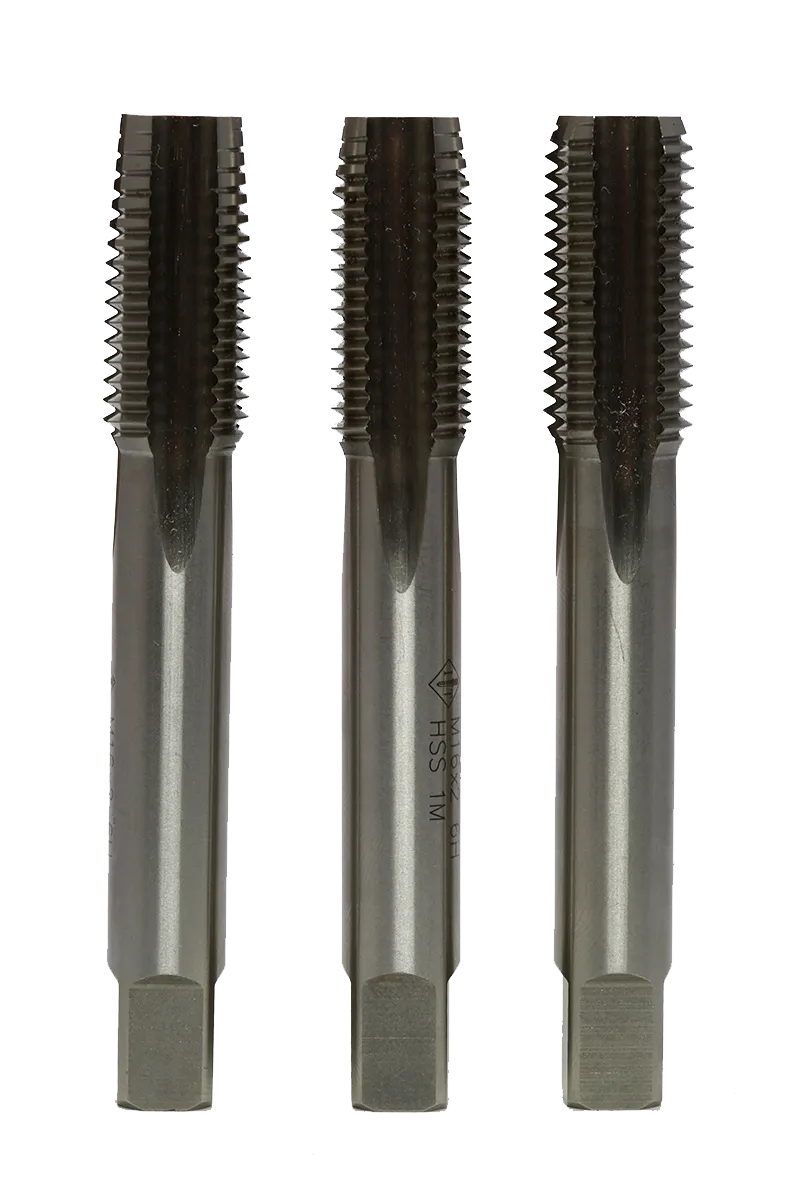
Hand & Short Machine Tap - Coarse Pitch
View Details

High Performance Torpedo Series Drill Bits
View Details

High Performance Ninja Series Drill Bits
View Details
High Performance Panther Series Drill Bits
View Details
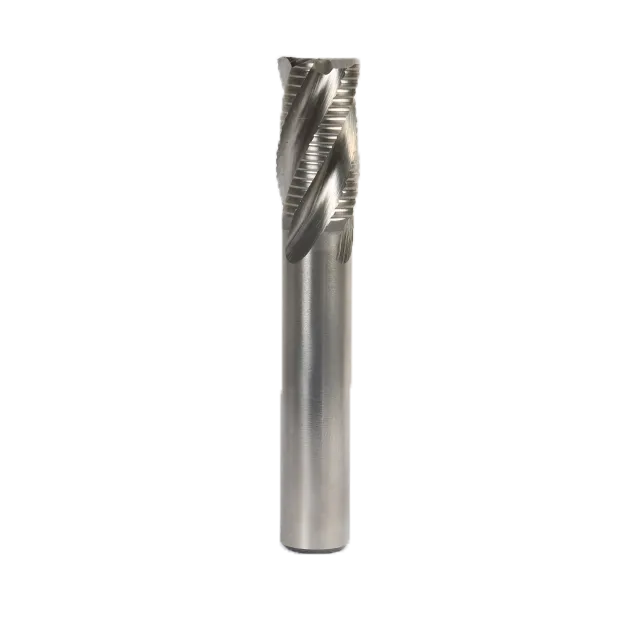
Roughing End Mill
View Details

Ball Nose End Mill
View Details

Countersinks with included angle 60°,90°&120° - Taper Shank
View Details

Taper Shank and Detachable Pilot
View Details

Counterbores with Parallel Shank & Solid Pilots
View Details

Countersink 90° with MT Shank and Detachable Pilot
View Details
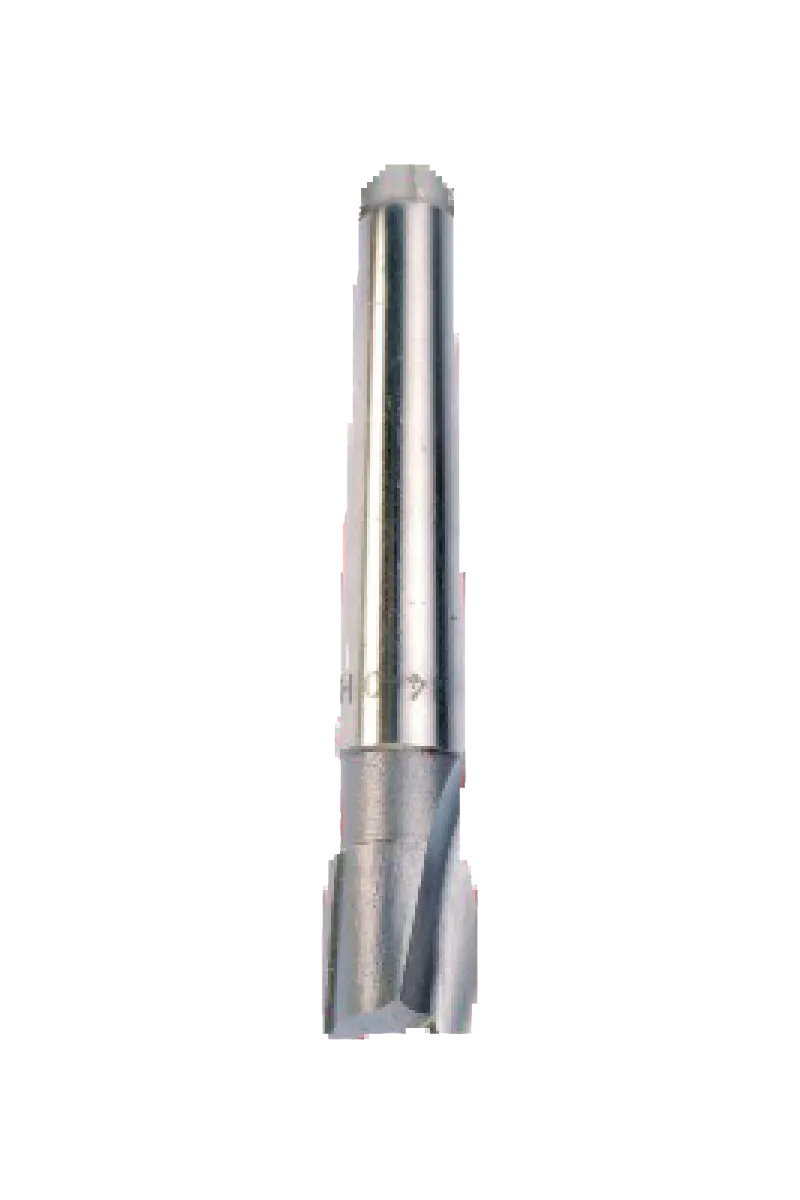
Countersink 90° with Parallel Shank and Solid Pilot
View Details

Woodruff keyslot Milling Cutter with Parallel Shank
View Details

Dove-Tail Milling Cutters
View Details

T-Slot Cutters - Taper Shank
View Details
T-Slot Cutters - Parallel Shank
View Details
Endmills
View Details

Slot Drills
View Details
End Mills - Parallel Shank
View Details

Slot Milling Cutters - Taper Shank
View Details
Slot Milling Cutters - Parallel Shank
View Details
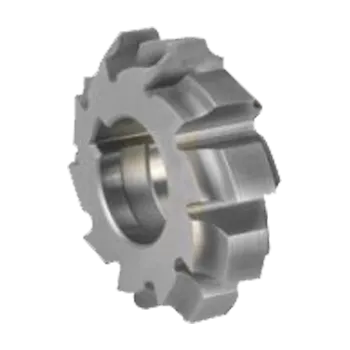
Double Corner Rounding Cutters
View Details
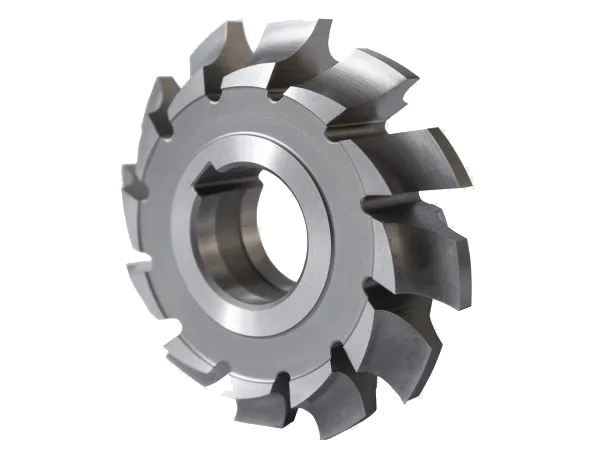
Single Corner Rounding Cutters
View Details
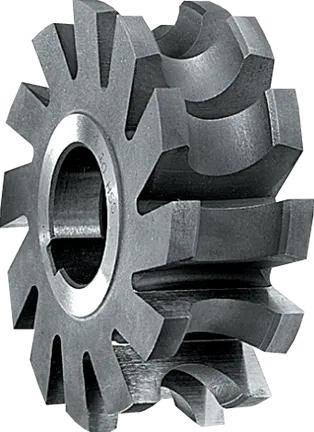
Concave Milling Cutters
View Details
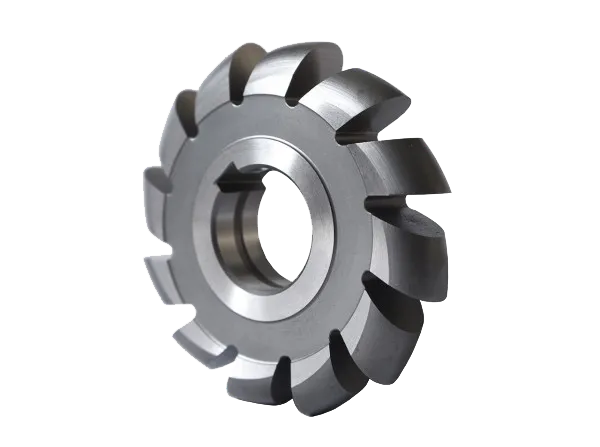
Convex Milling Cutters
View Details

Hollow Mills
View Details
Keyway Milling Cutters
View Details

Slotting Cutters
View Details
Face Cutters
View Details
Shell End Single Angle Cutters
View Details

Equal Angle Cutters
View Details

Double Angle Cutters
View Details
Single Angle Cutters
View Details
Shell End Mills
View Details

Staggered Teeth
View Details

Straight Teeth
View Details
Cylindrical Milling Cutters
View Details
High Performance Reamers
View Details
Taper Pipe Reamer
View Details

Guided Type B
View Details

Unguided Type A
View Details
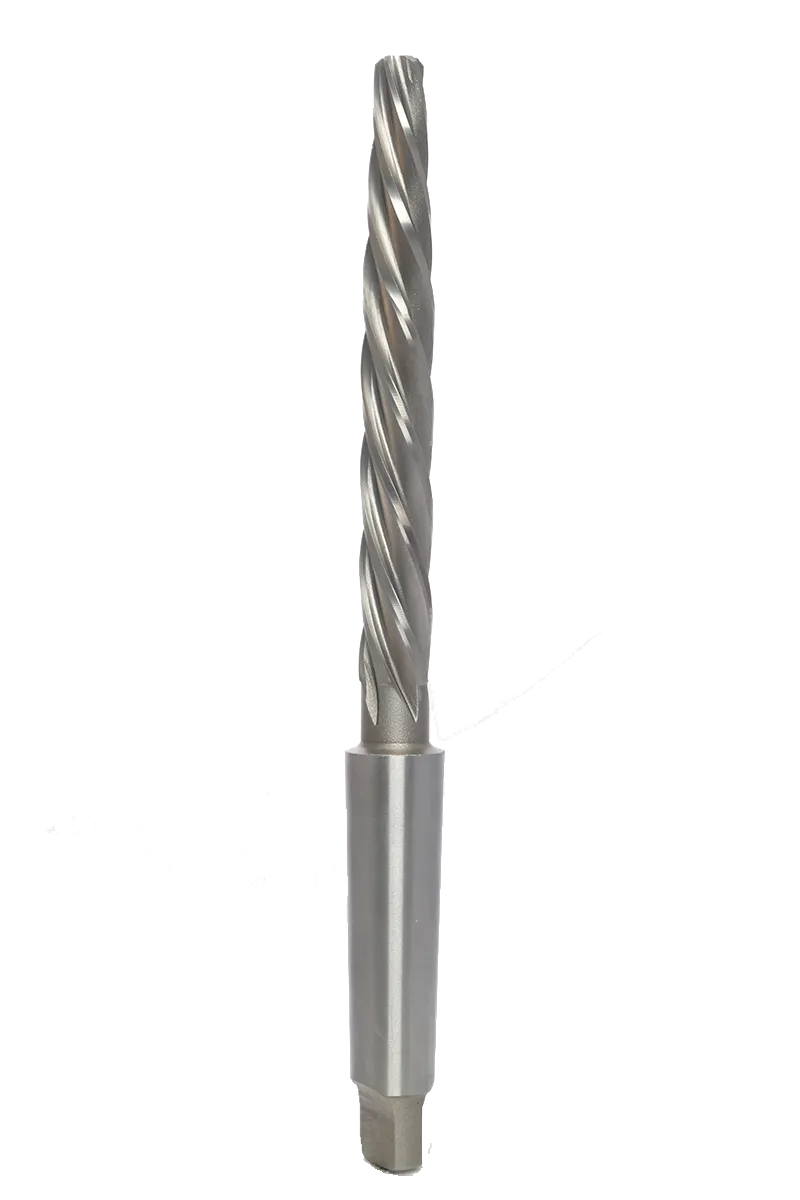
Machine Bridge Reamers
View Details
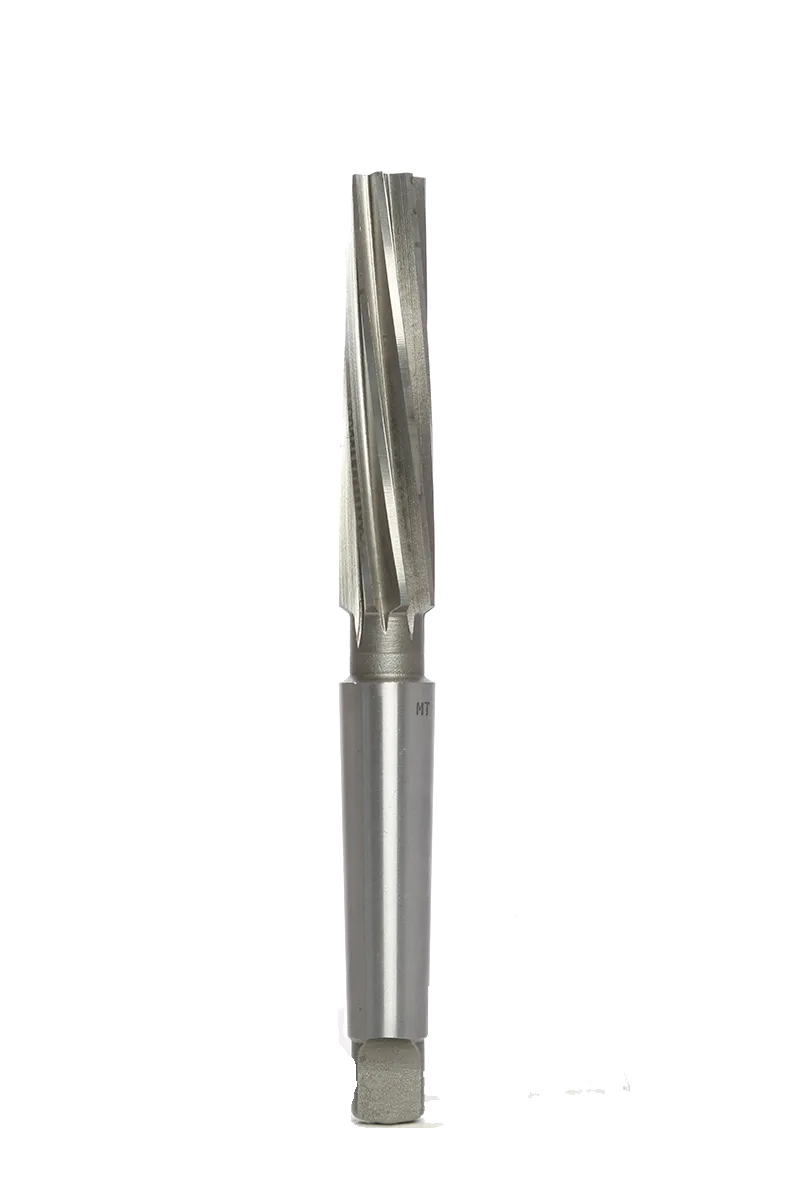
Machine Reamers
View Details
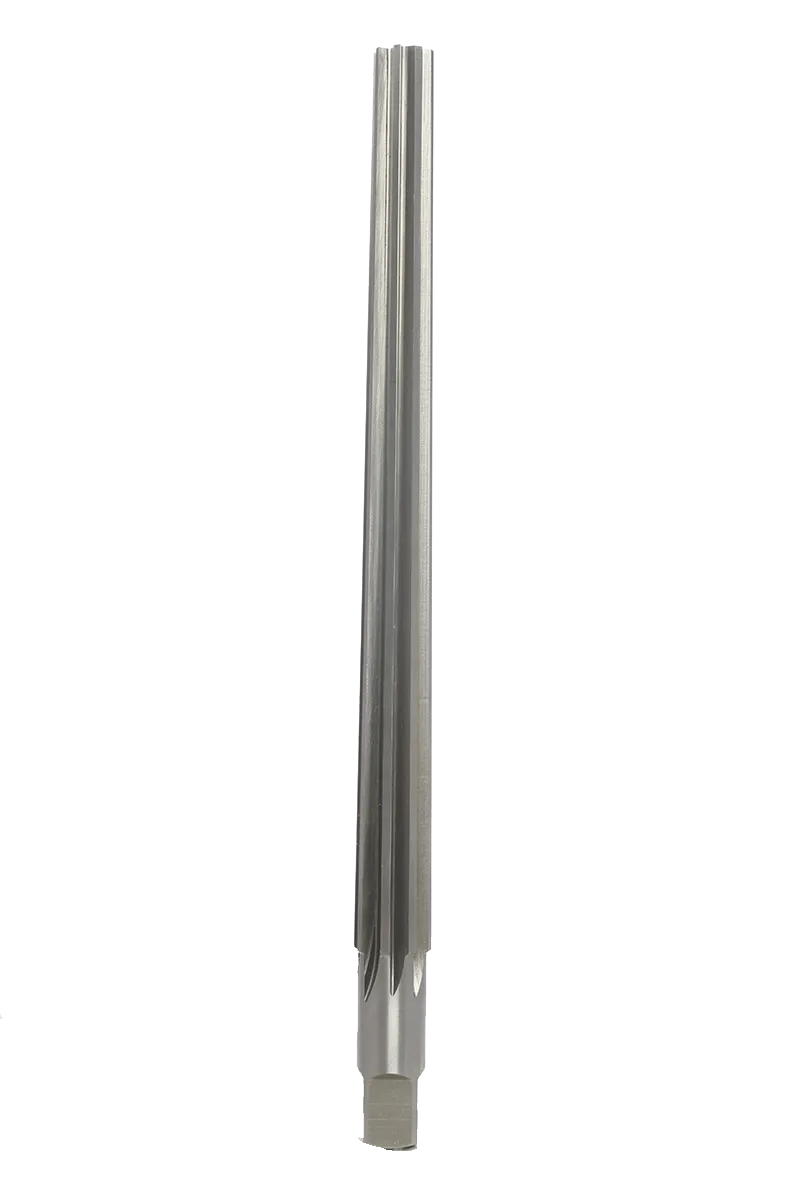
Hand Reamers
View Details

Socket Reamers with Taper Shank
View Details

Socket Reamers with Parallel Shank
View Details
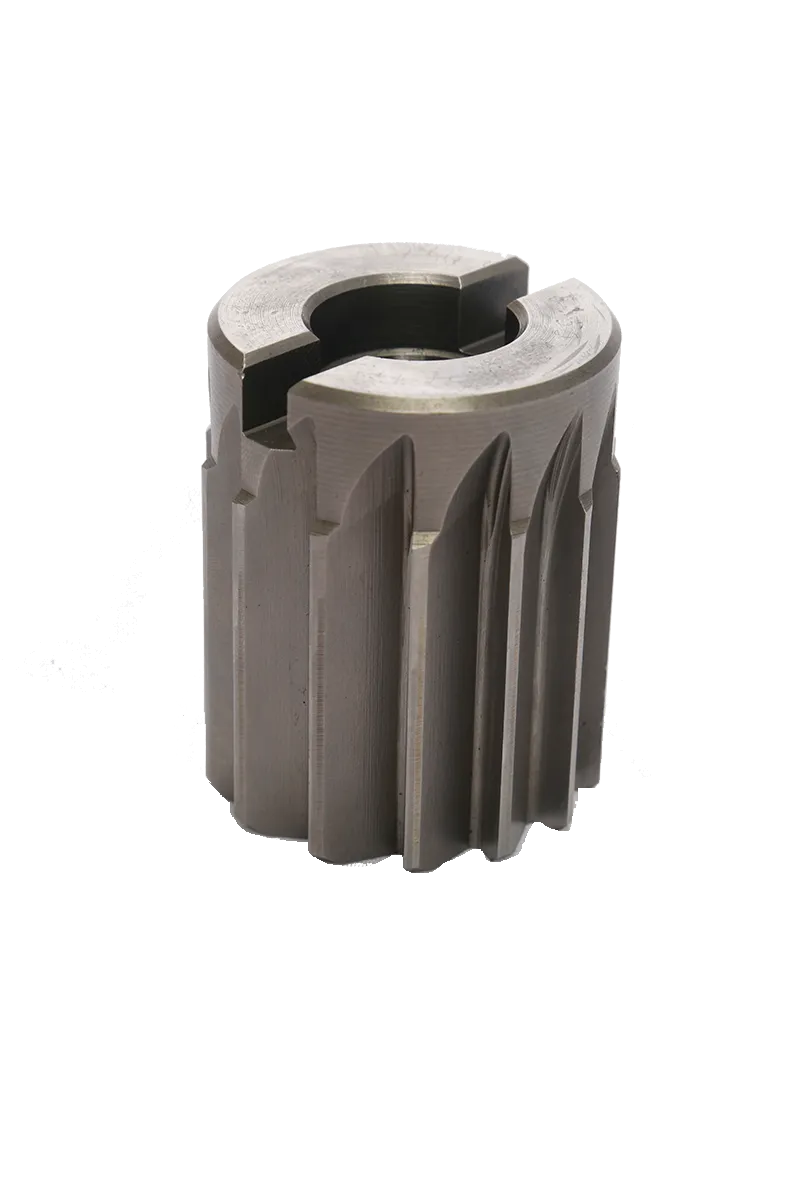
Shell Reamers
View Details

Machine Chucking Reamers with Taper Shank
View Details
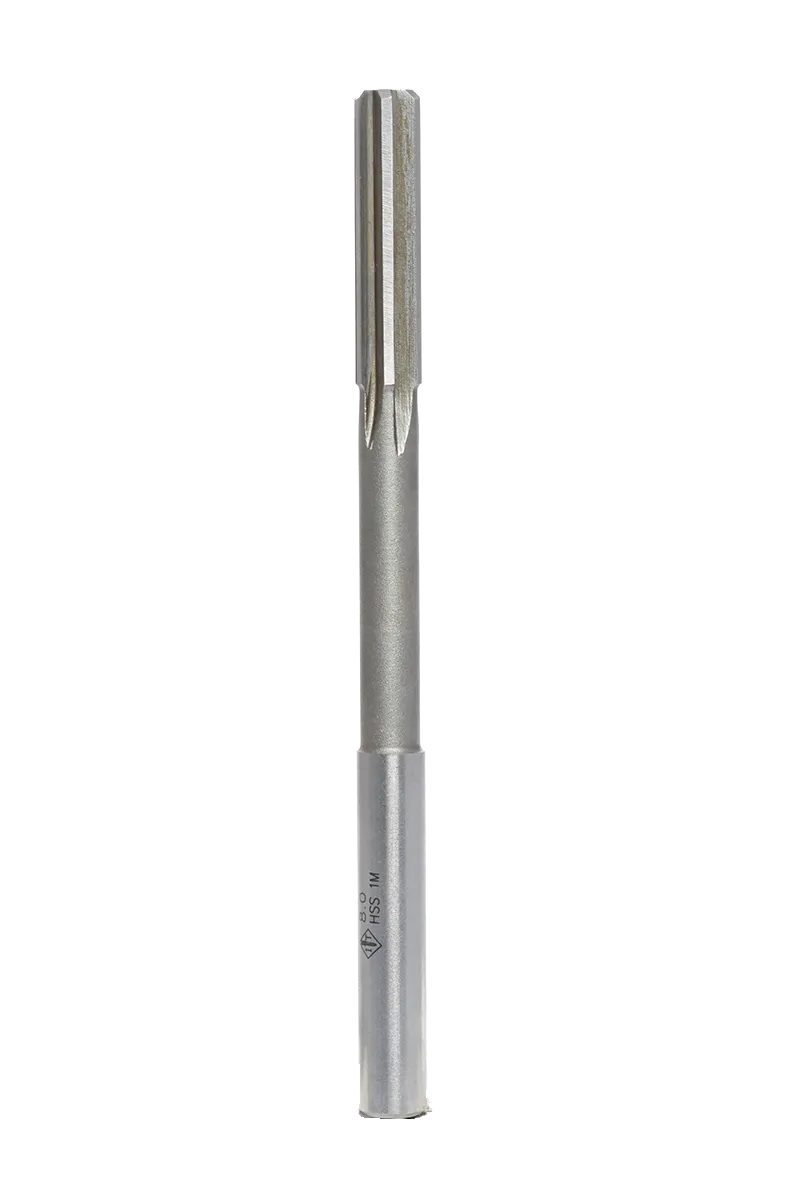
Machine Chucking Reamers with Parallel Shank
View Details
Parallel Machine Reamers
View Details

Long Fluted Machine Reamers
View Details
Parallel Hand Reamers
View Details

B.S
View Details
Type R
View Details
Type B
View Details

Type A
View Details

Drill Sets
View Details
Carbide Tipped
View Details

Torpedo Series
View Details
Ninja Series
View Details
Panther Series
View Details
-2.webp)
Taper Pin Twist Drills
View Details
Sublan Twist Drills
View Details
Parallel Shank Sublan Twist Drills
View Details
Shell Core drills
View Details

Taper Shank Core Drills
View Details

Taper Shank Twist Drills for Forged Material - Extra Long Series
View Details
Taper Shank Twist Drills for Forged Material - Long Series
View Details

Taper Shank Twist Drills for Forged Material - Oversize Shank
View Details

Taper Shank Twist Drills for Forged Material - Standard Shank
View Details
.webp)
Taper Shank Twist Drills - Extra Long Series
View Details
.webp)
Taper Shank Twist Drills - Long Series
View Details
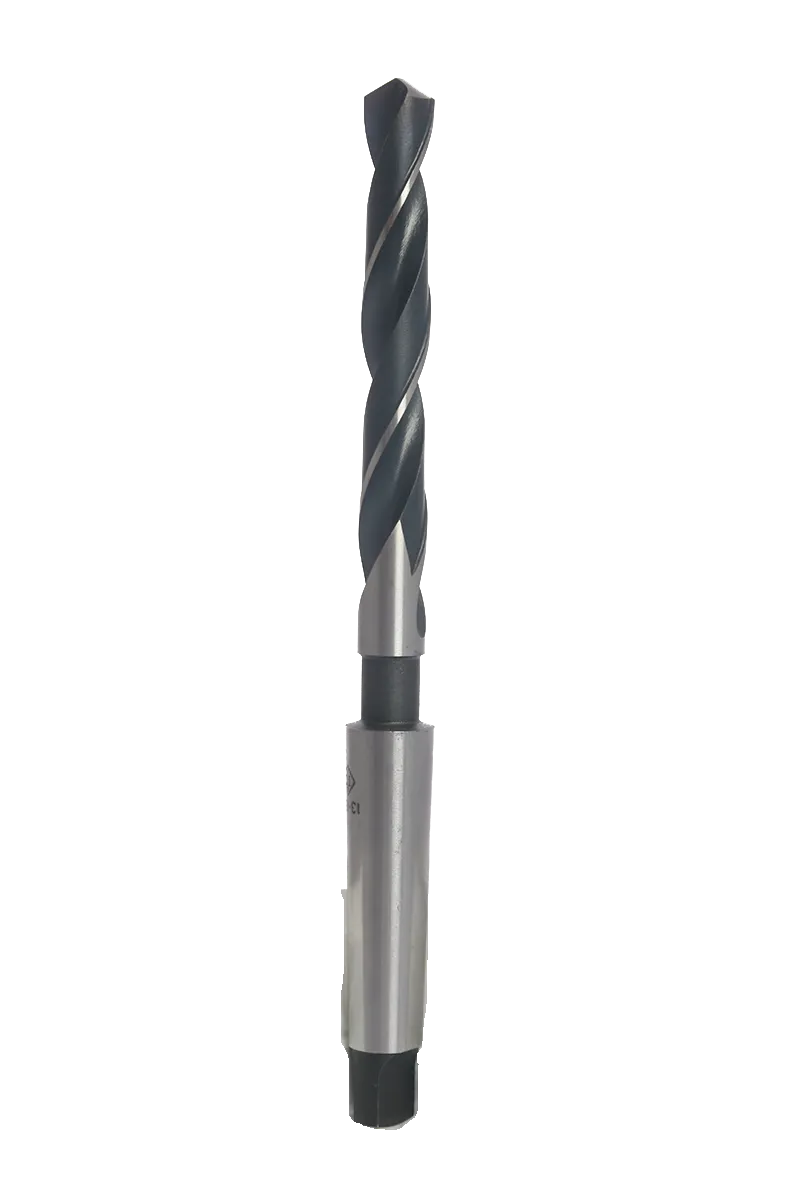
Taper Shank Twist Drills - Oversize Shank
View Details
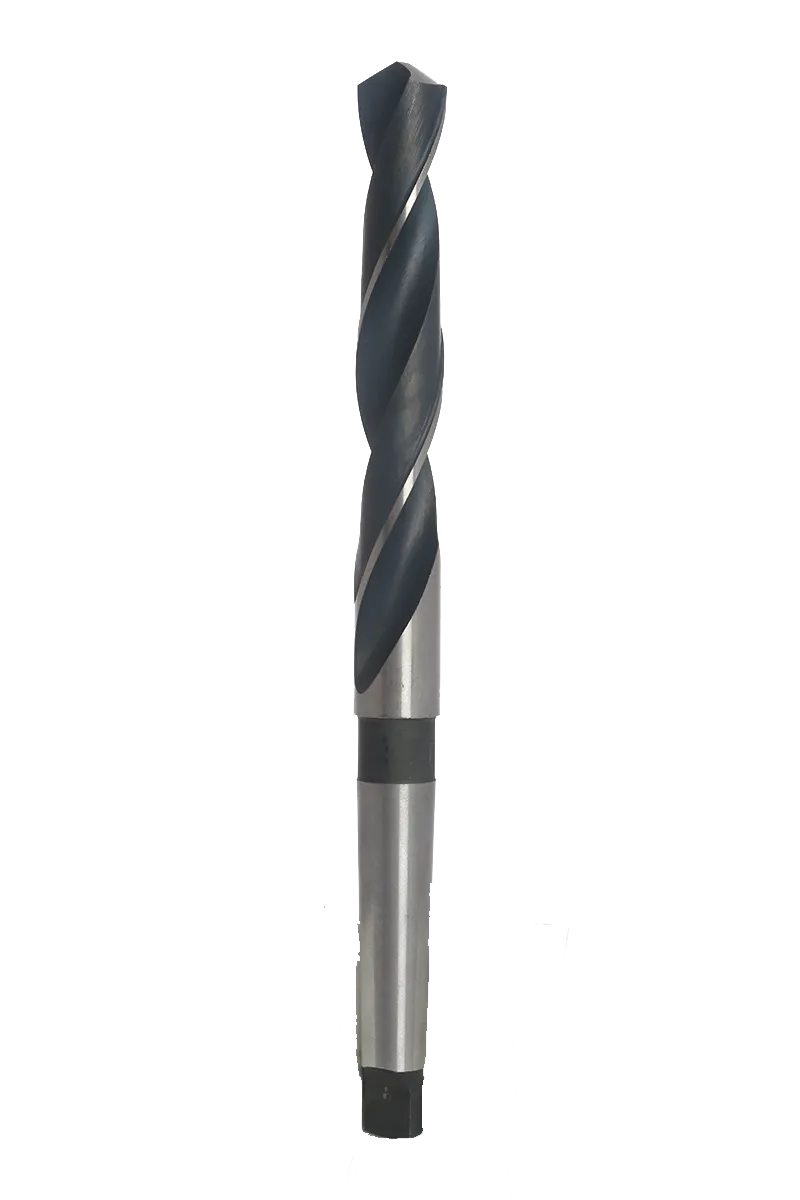
Taper Shank Twist Drills - Standard Shank
View Details
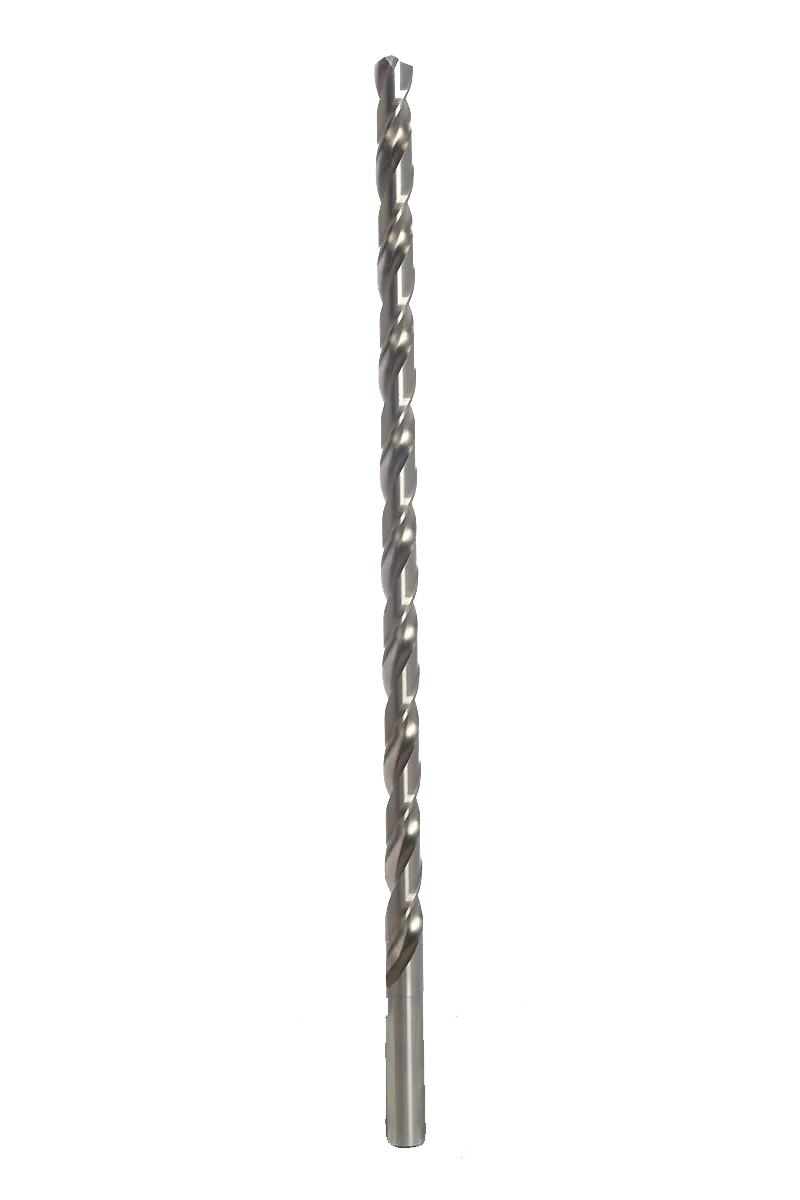
Parallel Shank Twist Drills - Extra Long Series
View Details
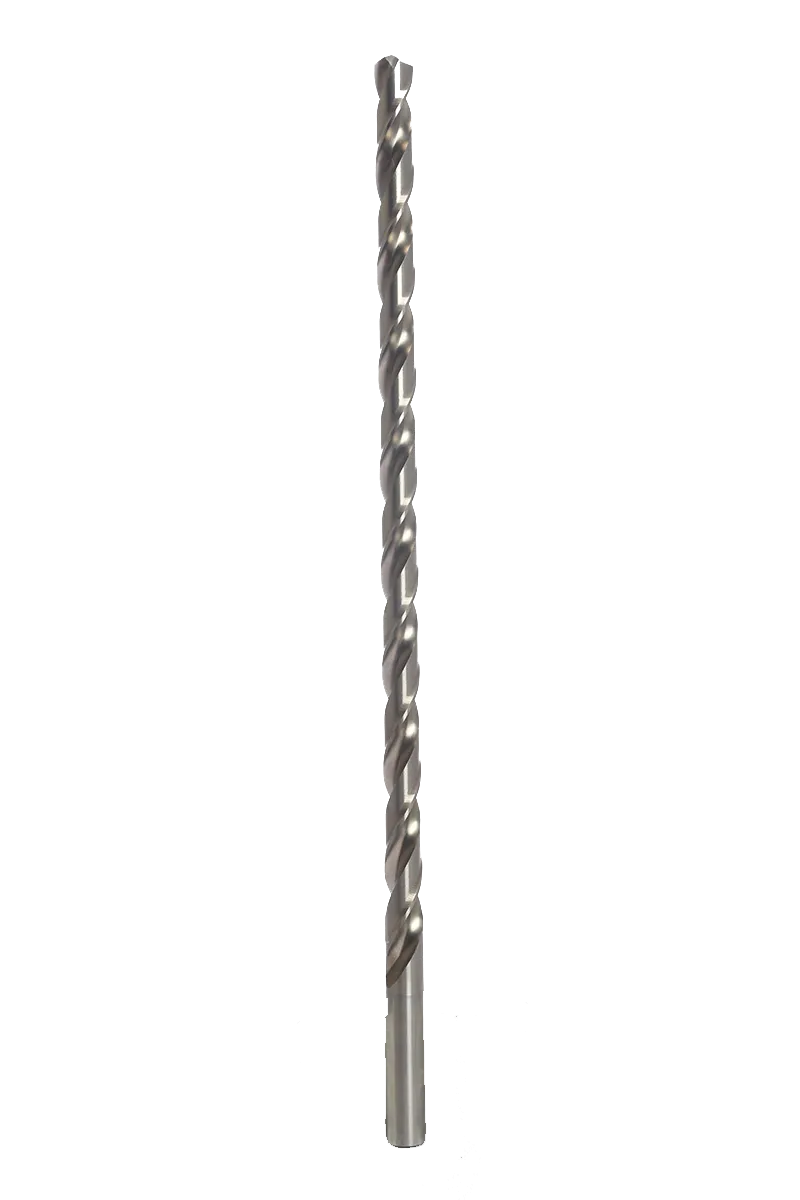
Parallel Shank Twist Drills - Long Series
View Details

Parallel Shank Twist Drills - Jobber Series
View Details
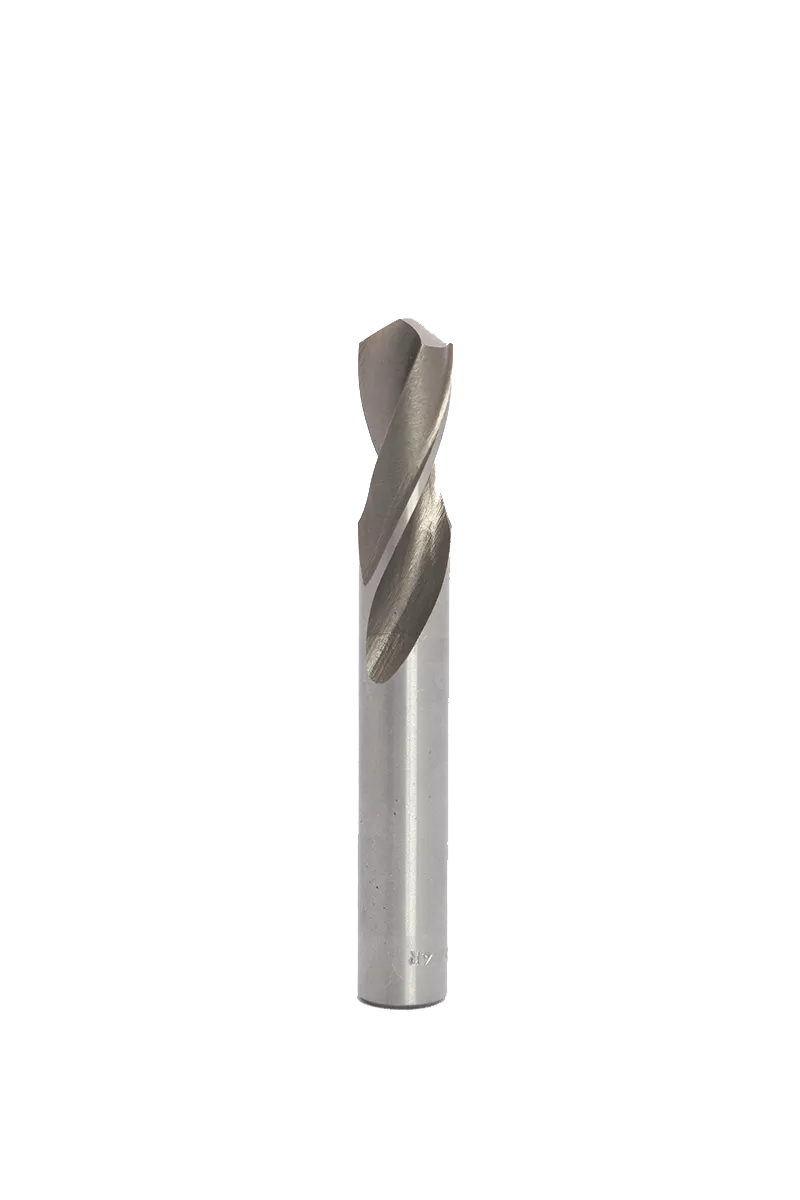
Parallel Shank Twist Drills - Stub Series
View Details

SOLID CARBIDE END MILLS
View Details

SOLID CARBIDE DRILLS
View Details
Chat With Us