



Socket Reamers with Taper Shank
Short Description
For socket components that require accurate fitment and consistent internal dimensions, Socket Reamers with Taper Shank provide controlled finishing after drilling or rough machining operations. These reamers are used to refine existing holes by removing a small amount of material, helping achieve the required size, alignment, and surface finish for precision assembly.
The taper shank design enables secure mounting directly into compatible machine spindles, offering better rigidity and tool stability during operation. This makes them suitable for machining environments where accurate hole finishing, repeatability, and reliable performance are important factors.
- Material: High-Speed Steel (HSS) / other material options available
- Product Type: Socket Reamers with Taper Shank
- Shank Type: Taper Shank
- Flute Type: Straight Flute / Spiral Flute based on application
- Cutting Direction: Right-Hand Cutting
- Diameter Range: Standard metric and imperial sizes available
- Application: Socket hole finishing and sizing operations
- Surface Finish: Bright Finish, Black Oxide, or other protective finishes
- Standards: Manufactured as per applicable DIN, ISO, and industrial specifications
Key Features
- Taper shank design for firm spindle engagement
- Designed for precision finishing of socket holes
- Precision-ground cutting edges for consistent results
- Provides controlled material removal during reaming
- Helps maintain accurate hole dimensions and alignment
- Suitable for machine-based reaming operations
- Supports stable cutting with reduced tool movement
- Available in various sizes for different applications
Applications of Socket Reamers with Taper Shank
- Precision socket component manufacturing
- Automotive parts production
- Machine tool applications
- Tool room operations
- Engineering component machining
- Industrial equipment assembly
- Production machining
- Fabrication and repair work
- Heavy engineering applications
- General workshop operations
Advantages of Socket Reamers with Taper Shank
- Provides accurate hole finishing for critical assemblies
- Offers improved rigidity during machine operations
- Produces consistent internal hole quality
- Helps maintain dimensional accuracy across components
- Suitable for repeated machining processes
- Supports better component fit and assembly performance
Why Choose Genuine Enterprises?
Genuine Enterprises supplies Socket Reamers with Taper Shank for applications where stable tool mounting and accurate hole finishing are essential. As a socket reamers supplier in India, we understand the importance of choosing the correct reaming tool for achieving the required fit, finish, and dimensional accuracy.
We work with customers to provide suitable tooling options based on machining requirements, component specifications, and operational needs. With attention to product quality, availability, and customer support, we help businesses source cutting tools that align with their production processes.
1. What are Socket Reamers with Taper Shank used for?
Socket Reamers with Taper Shank are used for finishing existing socket holes to achieve accurate dimensions, improved surface finish, and better component alignment.
2. What is the benefit of a taper shank in socket reamers?
A taper shank provides a secure connection with compatible machine spindles, improving tool rigidity and reducing movement during machining.
3. Can Socket Reamers with Taper Shank be used for CNC operations?
Yes, these reamers can be used on suitable CNC machines and conventional equipment depending on spindle compatibility and application requirements.
4. Which materials can be machined using these reamers?
They are suitable for machining materials such as carbon steel, alloy steel, stainless steel, cast iron, aluminium, and other engineering metals.
5. What factors should be considered while selecting a socket reamer?
The selection should consider the required hole size, workpiece material, machining method, machine compatibility, tolerance requirements, and desired surface finish.
Related Products

End Mills - Taper Shank
View Details
Grooving Tools
View Details
Annular Cutter
View Details
Diamond Coated Files
View Details
Needle Files
View Details
Engineering Files
View Details
Hathyar - Round Tool Bits
View Details
Hathyar - Parting Tool Bits
View Details

Hathyar - Flat Tool Bits
View Details
HT 1000
View Details
HT 900
View Details
HT 600
View Details
Helicoil Taps
View Details

Cast Iron Taps - Torpedo Series
View Details

Cast Iron Taps - Ninja Series
View Details
Cast Iron Taps - Panther Series
View Details

Roll Form Taps - Torpedo Series
View Details
Roll Form Taps - Ninja Series
View Details
Roll Form Taps - Panther Series
View Details
Spiral Point Taps - Torpedo Series
View Details
Spiral Point Taps - Ninja Series
View Details

Spiral Point Taps - Panther Series
View Details
Spiral Fluted Taps - Torpedo Series
View Details
Spiral Fluted Taps - Ninja Series
View Details

Spiral Fluted Taps - Panther Series
View Details
Metric
View Details
BSW
View Details
Metric Fine
View Details

Metric Coarse
View Details
Shell Taps
View Details

BSCy
View Details

Taper Pipe Hand Taps (Gas)-NGT
View Details
Taper Pipe Hand Taps - NPT
View Details
Straight Pipe Hand Taps - NPS
View Details
BSPT
View Details
BSP
View Details

Long Shank Machine Tap - Fine Pitch
View Details

Long Shank Machine Tap - Coarse Pitch
View Details
UNF
View Details
UNC
View Details
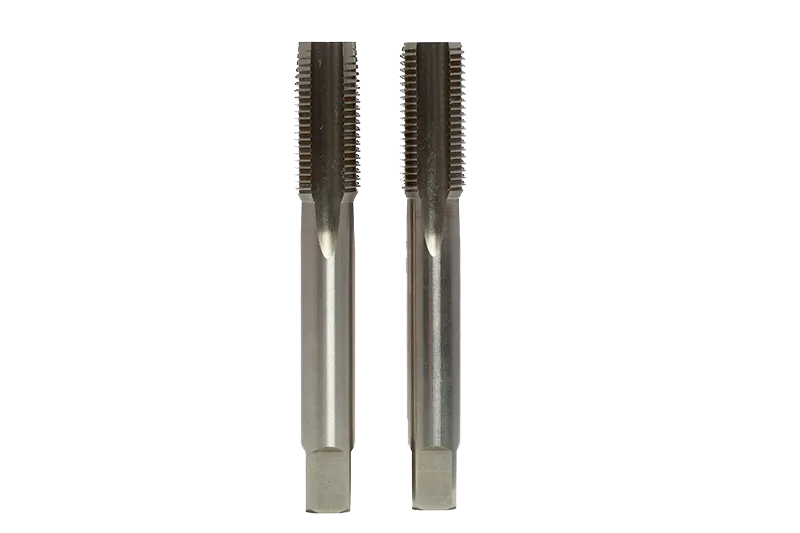
Hand & Short Machine Tap Fine Pitch
View Details
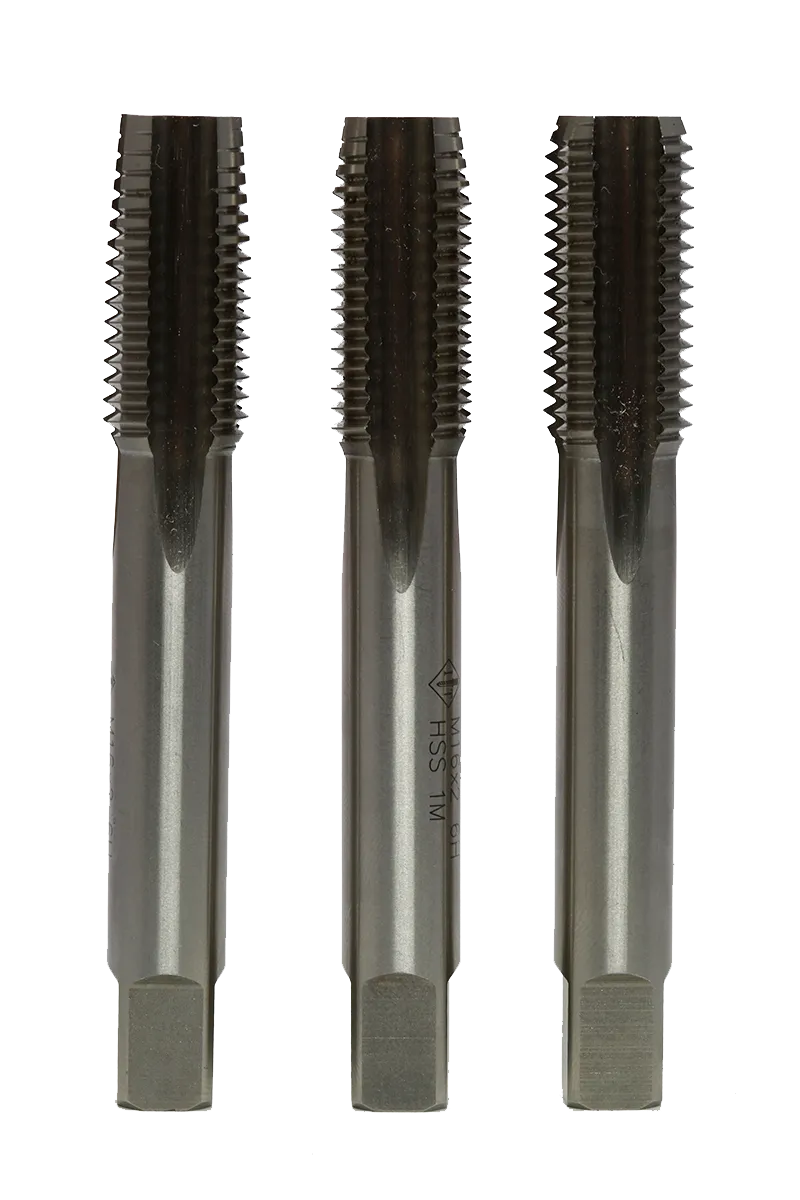
Hand & Short Machine Tap - Coarse Pitch
View Details

High Performance Torpedo Series Drill Bits
View Details

High Performance Ninja Series Drill Bits
View Details
High Performance Panther Series Drill Bits
View Details
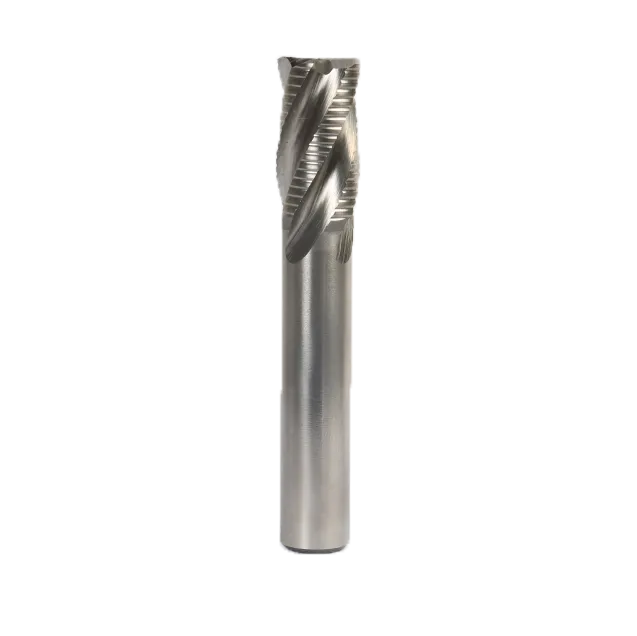
Roughing End Mill
View Details

Ball Nose End Mill
View Details

Countersinks with included angle 60°,90°&120° - Taper Shank
View Details

Taper Shank and Detachable Pilot
View Details

Counterbores with Parallel Shank & Solid Pilots
View Details

Countersink 90° with MT Shank and Detachable Pilot
View Details
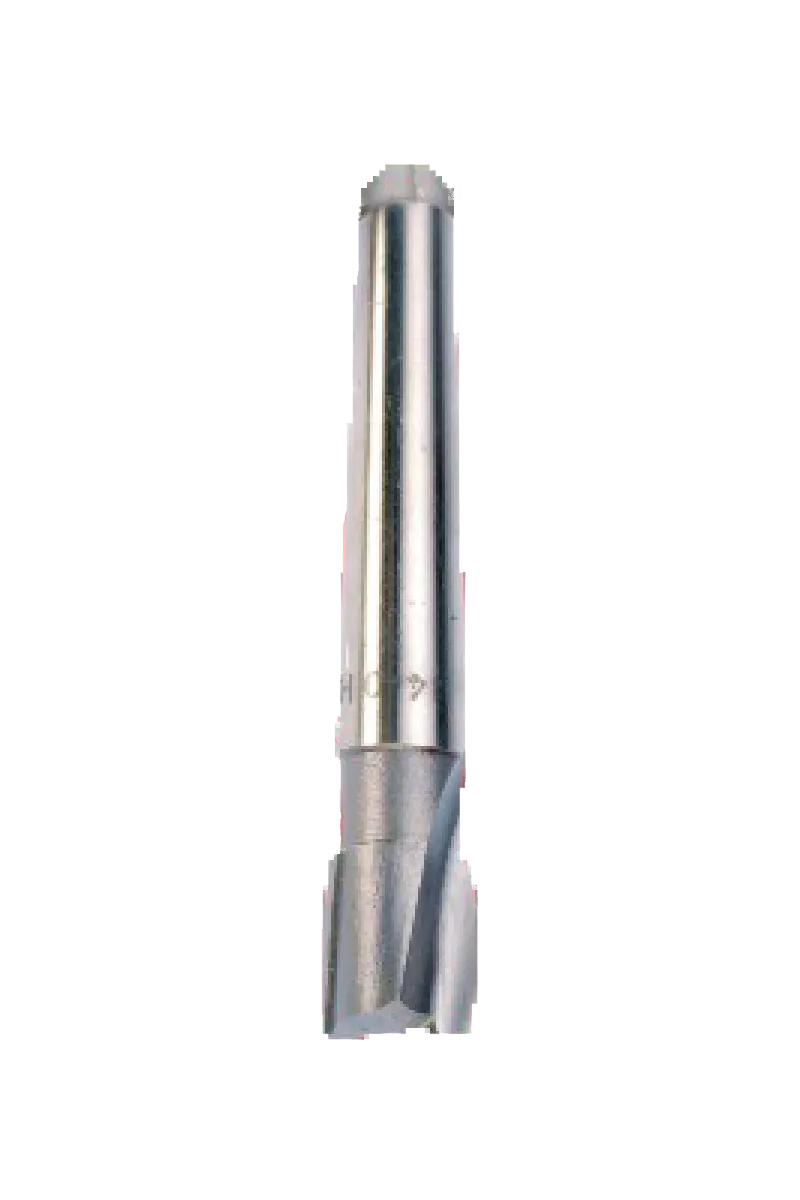
Countersink 90° with Parallel Shank and Solid Pilot
View Details

Woodruff keyslot Milling Cutter with Parallel Shank
View Details

Dove-Tail Milling Cutters
View Details

T-Slot Cutters - Taper Shank
View Details
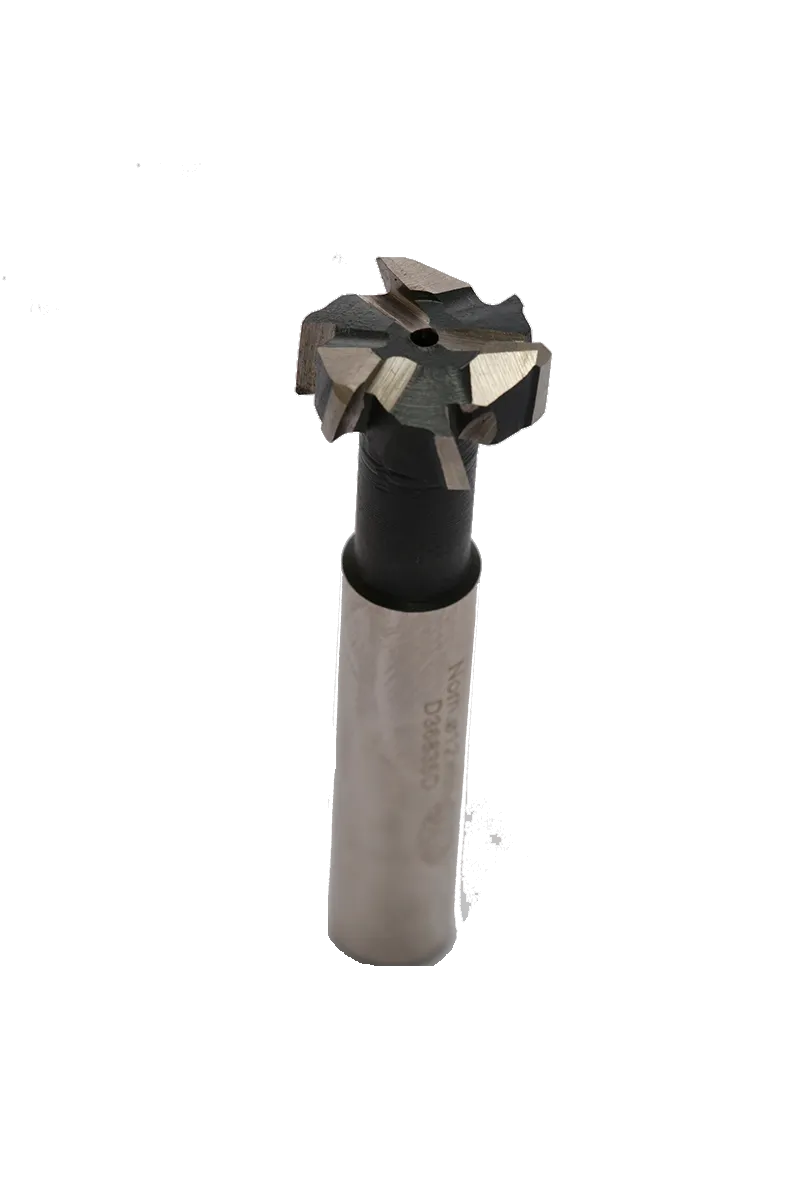
T-Slot Cutters - Parallel Shank
View Details
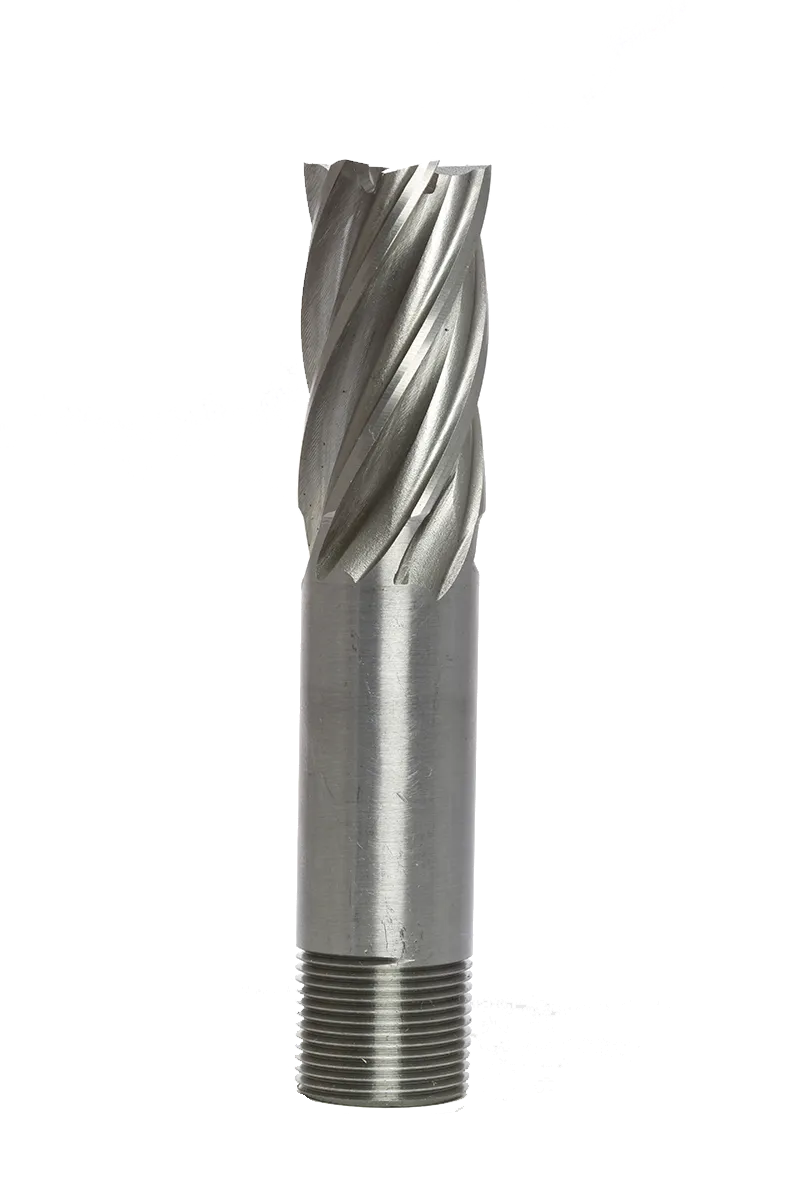
Endmills
View Details

Slot Drills
View Details
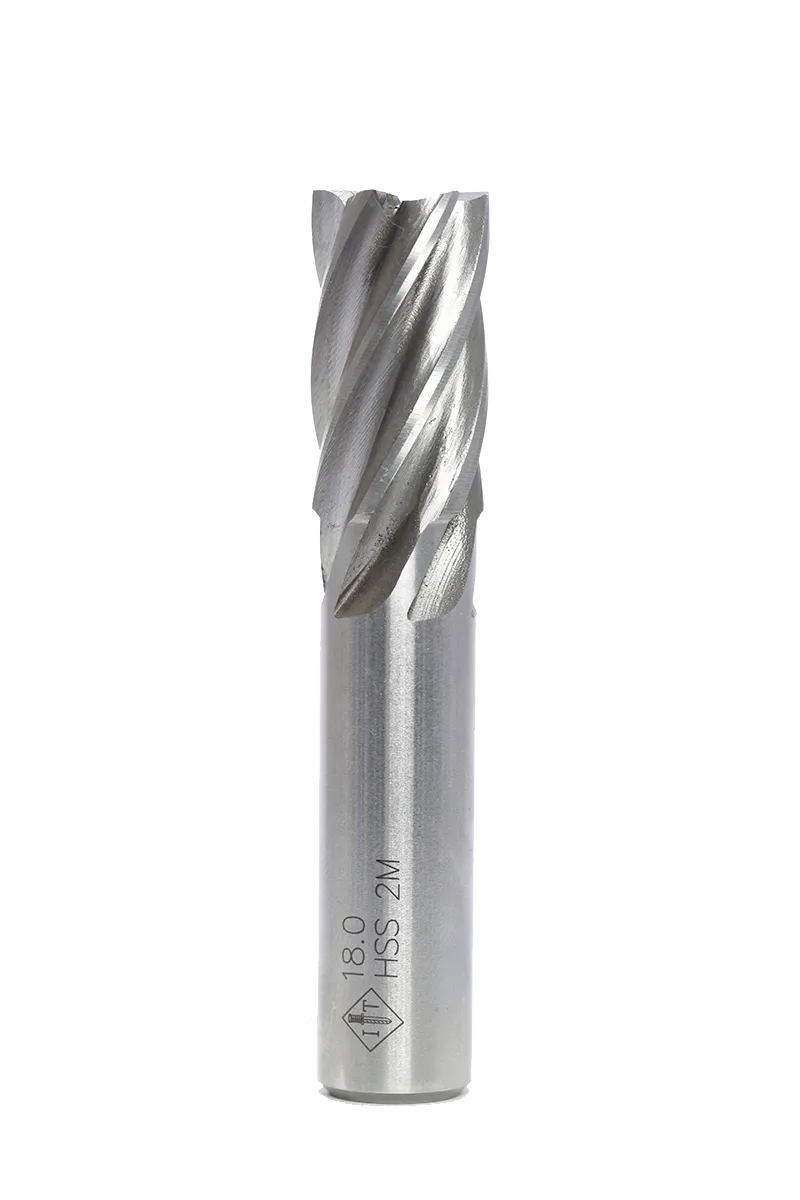
End Mills - Parallel Shank
View Details

Slot Milling Cutters - Taper Shank
View Details
Slot Milling Cutters - Parallel Shank
View Details
Double Corner Rounding Cutters
View Details
Single Corner Rounding Cutters
View Details
Concave Milling Cutters
View Details
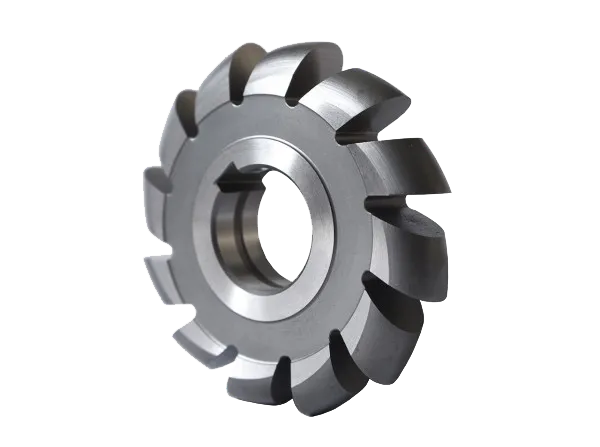
Convex Milling Cutters
View Details

Hollow Mills
View Details
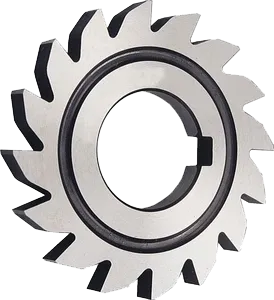
Keyway Milling Cutters
View Details

Slotting Cutters
View Details
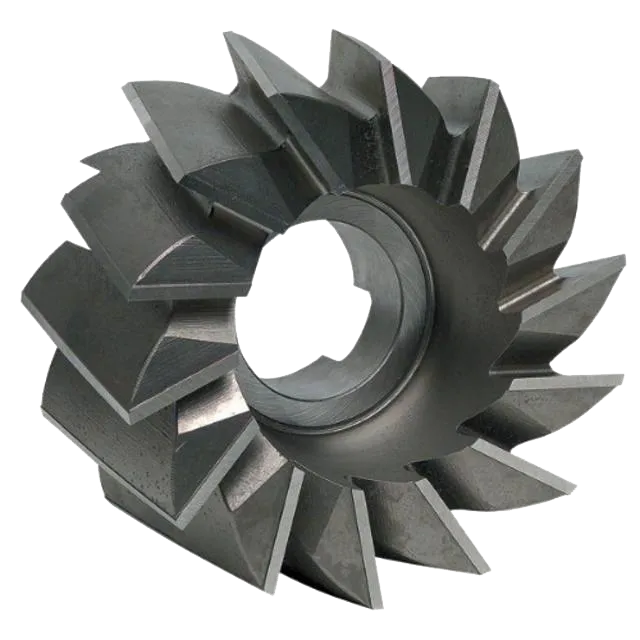
Face Cutters
View Details
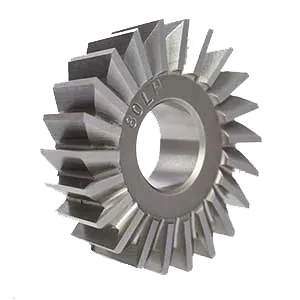
Shell End Single Angle Cutters
View Details

Equal Angle Cutters
View Details

Double Angle Cutters
View Details
Single Angle Cutters
View Details
Shell End Mills
View Details

Staggered Teeth
View Details

Straight Teeth
View Details
Cylindrical Milling Cutters
View Details
High Performance Reamers
View Details
Taper Pipe Reamer
View Details

Guided Type B
View Details

Unguided Type A
View Details
Machine Bridge Reamers
View Details
Machine Reamers
View Details
Hand Reamers
View Details

Socket Reamers with Parallel Shank
View Details
Shell Reamers
View Details

Machine Chucking Reamers with Taper Shank
View Details
Machine Chucking Reamers with Parallel Shank
View Details
Parallel Machine Reamers
View Details

Long Fluted Machine Reamers
View Details
Parallel Hand Reamers
View Details

B.S
View Details
Type R
View Details
Type B
View Details

Type A
View Details

Drill Sets
View Details
Carbide Tipped
View Details

Torpedo Series
View Details
Ninja Series
View Details
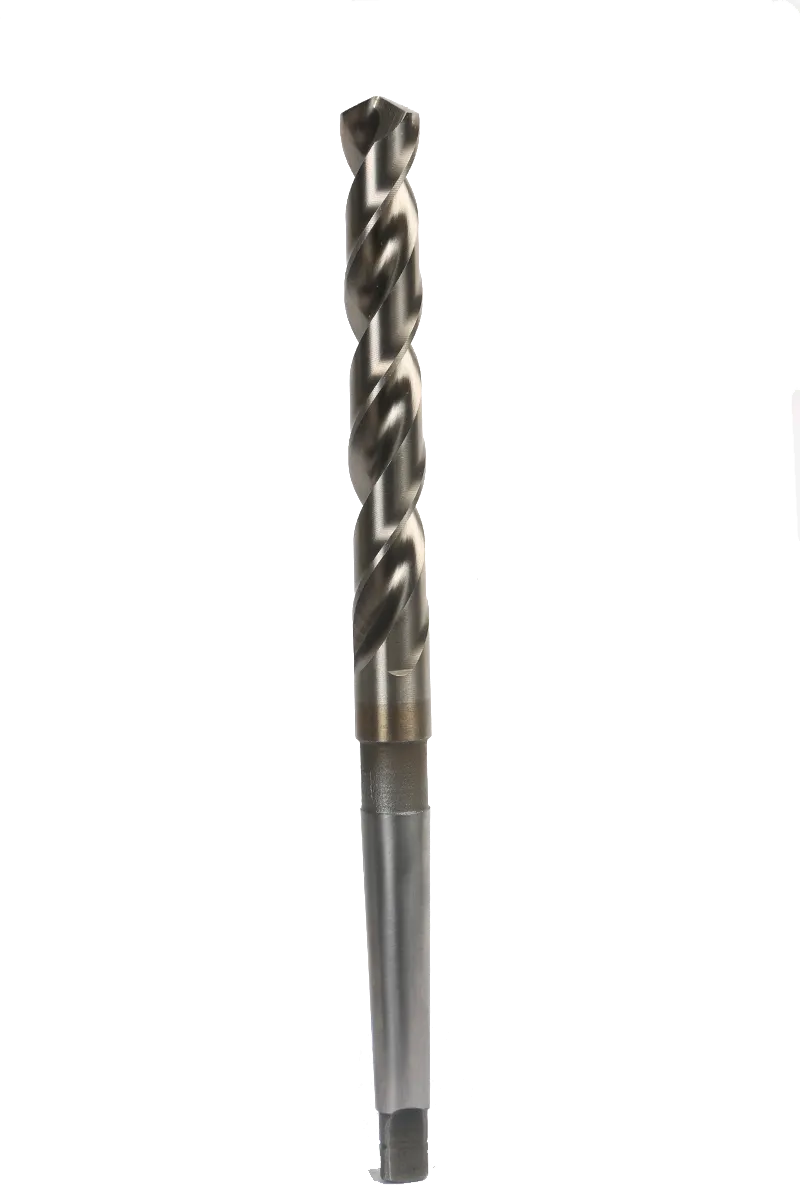
Panther Series
View Details
-2.webp)
Taper Pin Twist Drills
View Details
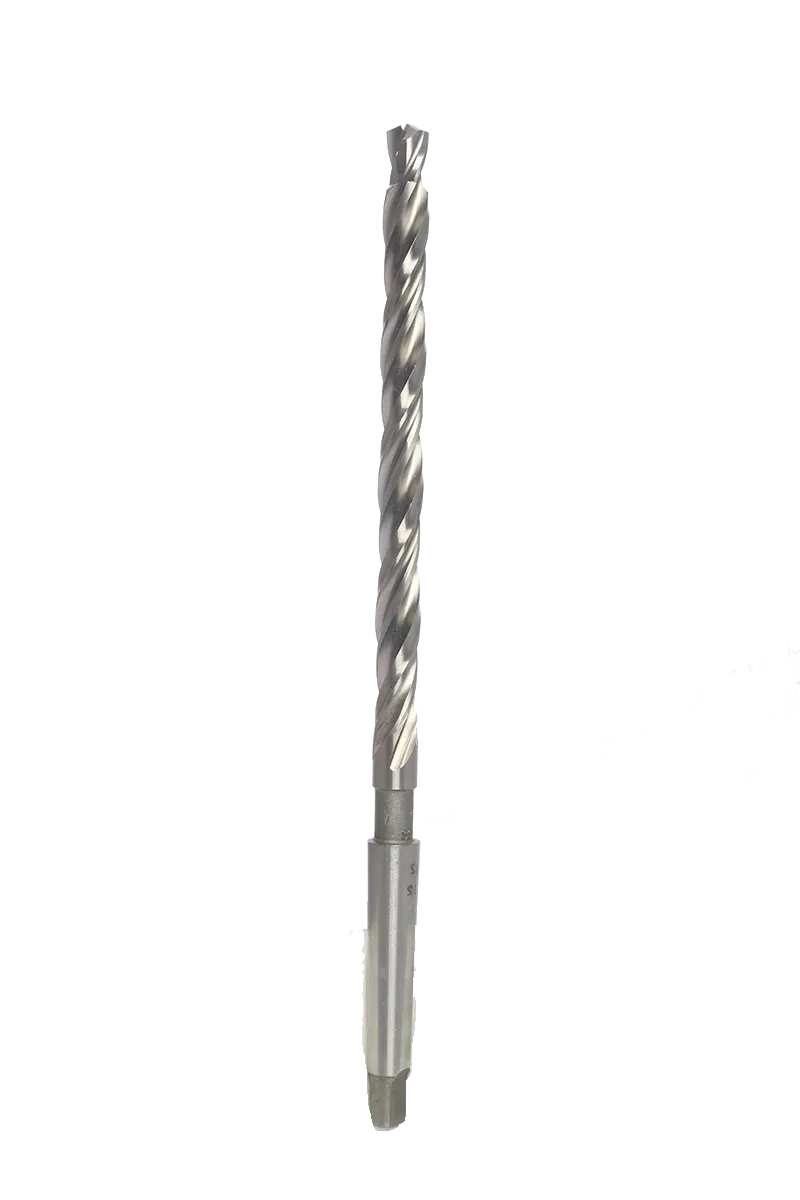
Sublan Twist Drills
View Details
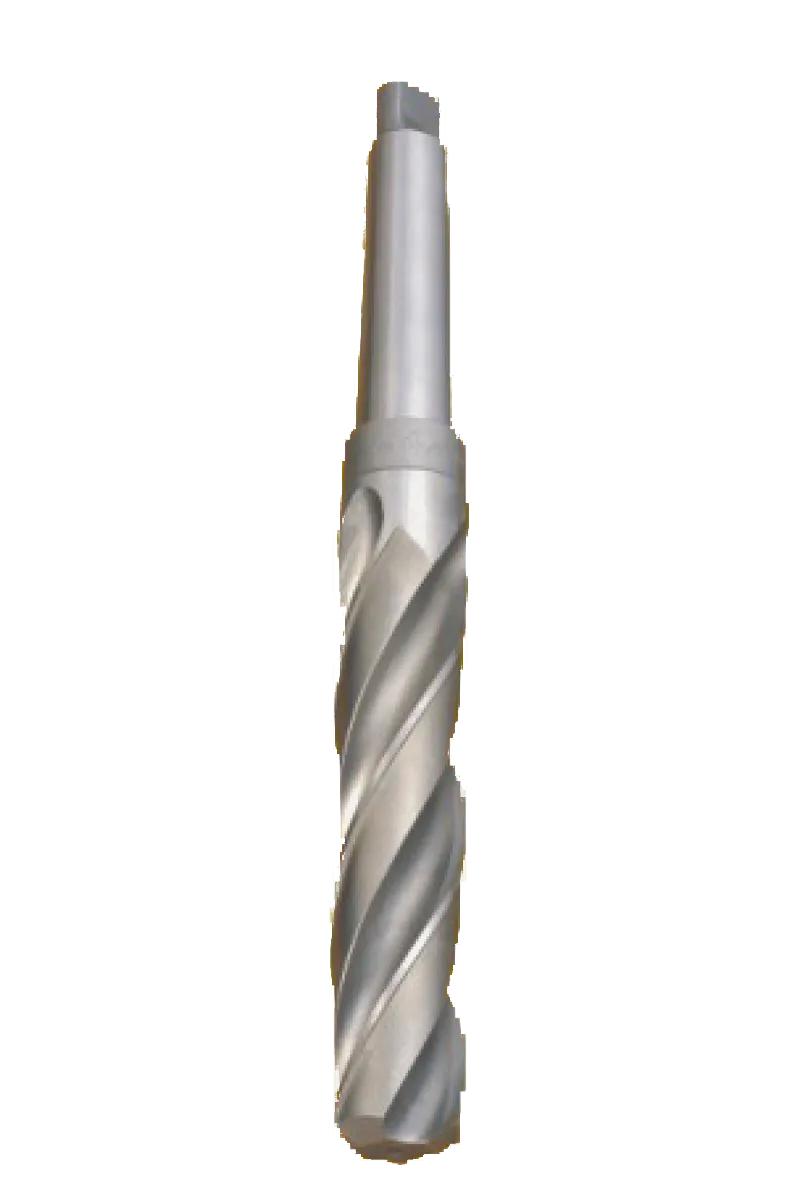
Parallel Shank Sublan Twist Drills
View Details
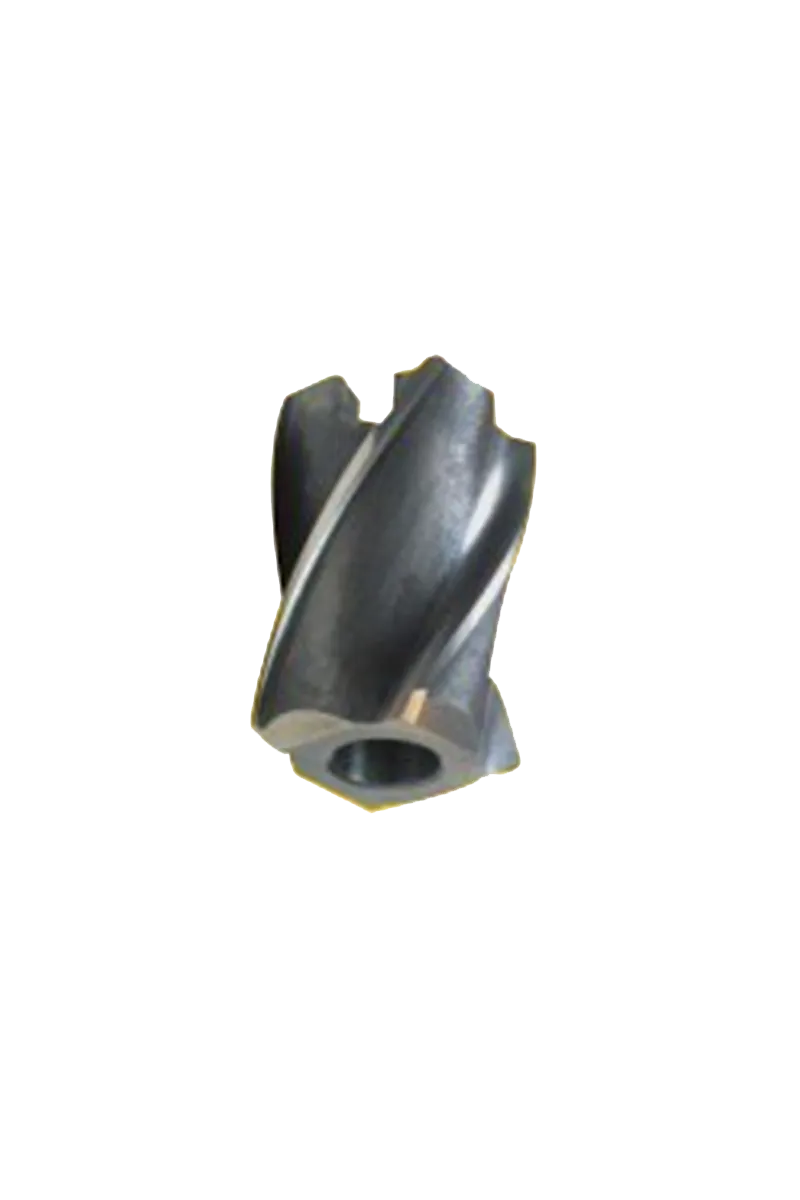
Shell Core drills
View Details

Taper Shank Core Drills
View Details

Taper Shank Twist Drills for Forged Material - Extra Long Series
View Details
Taper Shank Twist Drills for Forged Material - Long Series
View Details

Taper Shank Twist Drills for Forged Material - Oversize Shank
View Details

Taper Shank Twist Drills for Forged Material - Standard Shank
View Details

Taper Shank Twist Drills - Extra Long Series
View Details

Taper Shank Twist Drills - Long Series
View Details
Taper Shank Twist Drills - Oversize Shank
View Details
Taper Shank Twist Drills - Standard Shank
View Details
Parallel Shank Twist Drills - Extra Long Series
View Details
Parallel Shank Twist Drills - Long Series
View Details

Parallel Shank Twist Drills - Jobber Series
View Details
Parallel Shank Twist Drills - Stub Series
View Details

SOLID CARBIDE END MILLS
View Details

SOLID CARBIDE DRILLS
View Details
Chat With Us