


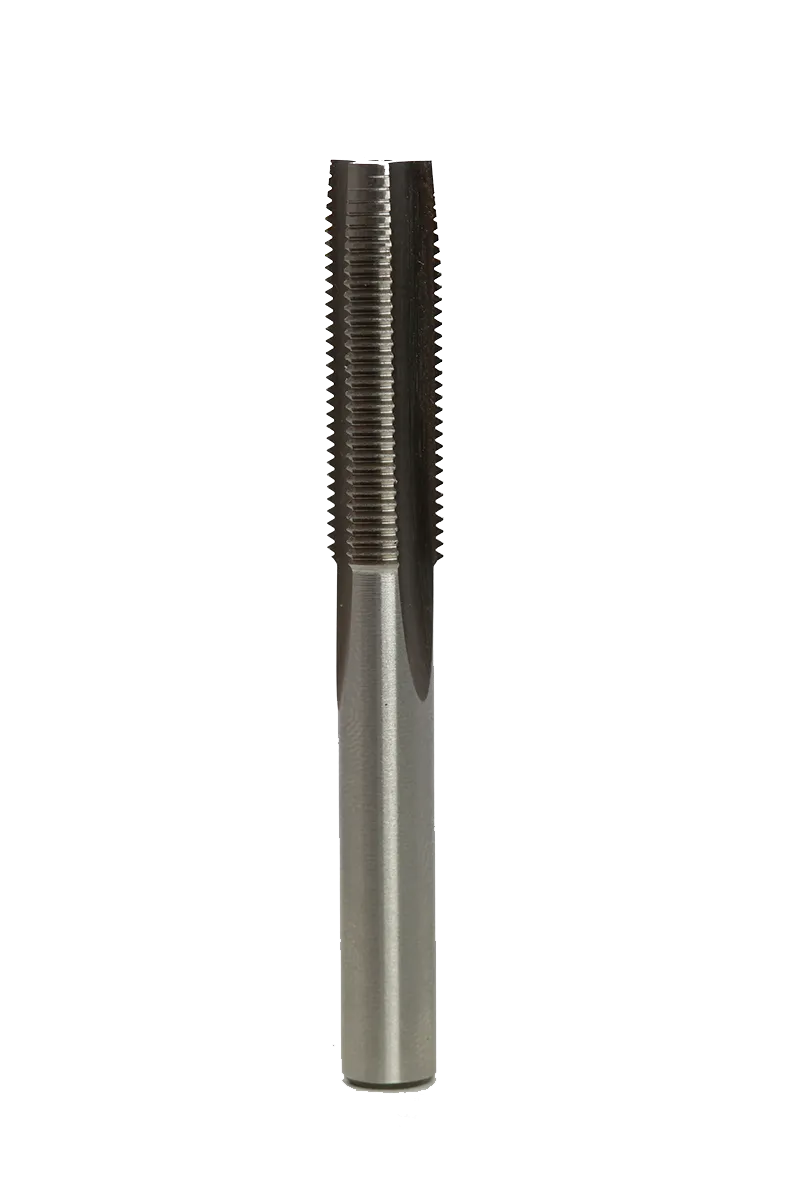
BSCy
Short Description
Bicycles run on a thread standard almost nobody outside the trade has heard of, and it's easy to see why once you look at what it's built for. Cycle thread carries a 60 degree angle rather than the 55 degree angle used on most other British threads, and it holds a fixed pitch across the sizes most commonly found on bottom brackets, axles, and pedal spindles. That fine, consistent pitch gives a tight, self-locking grip that resists loosening even after thousands of miles of vibration. Genuine Enterprises manufactures BSCy taps for component makers and repair workshops who still work with this thread standard on a regular basis.
- Material: manufactured from high speed steel for stable cutting performance on cycle components.
- Grades: available in standard HSS, with cobalt HSS-E for harder alloy components.
- Thread Type: produced in BSCy thread form at the standard 60 degree angle, right-hand and left-hand.
- Size Range: manufactured across common cycle sizes from 1/4 inch to 1 inch.
- Surface Finish: available bright or with TiN coating for reduced cutting friction.
- Standards Compliance: thread geometry follows British Standard 811 cycle thread specifications.
- Pitch: ground to the fixed 26 threads per inch pitch used across most common cycle sizes.
Key Features
- Ground to the 60 degree thread angle specific to cycle thread standards
- Fixed pitch across common sizes for consistent thread engagement
- Available in both right-hand and left-hand versions
- Suited to bottom bracket, axle, and pedal spindle threading
- Manufactured from high speed steel for consistent cutting performance
- Straight flute design suited to through and blind holes on bicycle components
- Ground for accurate thread depth on small diameter components
- Available with surface coatings for extended tool life
Applications of BSCy Cycle Taps
- Threading bottom bracket shells in bicycle frame manufacturing
- Producing threaded axle components for bicycle wheel hubs
- Tapping pedal spindle threads, including left-hand threads for drive-side fitment
- Threading components for vintage and classic bicycle restoration
- Producing spoke nipple threads on smaller cycle sizes
- Tapping components for older British motorcycle restoration work
- Threading handlebar stem and clamp components on traditional frame builds
- Producing replacement parts for bicycles manufactured to older British specifications
- Tapping components for cycle engineering and component repair shops
- Threading fittings on classic car components sharing the cycle thread standard
Advantages of BSCy Cycle Taps
- Produces threads with strong resistance to loosening from vibration
- Matches the exact thread angle and pitch required for bicycle components
- Available in left-hand form for pedal threads that must resist unscrewing
- Suited to both new component manufacturing and restoration work
- Maintains accuracy on the smaller diameters common in cycle components
- Reduces the risk of thread mismatch when working to older British specifications
Why Choose Genuine Enterprises
Cycle thread has narrowed to a fairly specific niche over the years, but it hasn't disappeared, since bottom brackets and axles on many bicycles still rely on this exact standard. Genuine Enterprises keeps BSCy taps in regular production rather than treating them as a rare special order, which means sizes are available when a component maker or repair shop actually needs them. Both right-hand and left-hand versions are checked against British Standard 811 before dispatch.
Workshops searching for a BSCy supplier in India often find that most tooling catalogues only stock the largest, most common sizes, leaving smaller cycle threads and left-hand versions hard to source. Genuine Enterprises manufactures across the fuller size range, including left-hand pedal threads, so orders don't get held up waiting on a size that's technically listed but rarely in stock.
1.Why does cycle thread use a 60 degree angle instead of 55 degrees like other British threads?
It was designed that way from the outset, giving cycle thread a distinct profile from standards like BSW and BSF, along with its characteristic fine and consistent pitch.
2. Why do pedal threads need a left-hand version?
The drive-side pedal thread is cut left-hand to prevent the pedal from unscrewing itself as it rotates during normal riding.
3. Is BSCy still used in new bicycle manufacturing?
It's mostly found on bottom bracket threads and axles in certain bicycle models, alongside its ongoing use in vintage and classic restoration work.
4. What size range do these taps cover?
They're manufactured across the common cycle sizes from 1/4 inch to 1 inch.
5. Can these taps be used on vintage motorcycle components as well as bicycles?
Yes, cycle thread was historically used on some early motorcycles too, so these taps see occasional use in that kind of restoration work as well.
Related Products

End Mills - Taper Shank
View Details
Grooving Tools
View Details
Annular Cutter
View Details
Diamond Coated Files
View Details

Needle Files
View Details
Engineering Files
View Details
Hathyar - Round Tool Bits
View Details
Hathyar - Parting Tool Bits
View Details

Hathyar - Flat Tool Bits
View Details
HT 1000
View Details
HT 900
View Details
HT 600
View Details
Helicoil Taps
View Details

Cast Iron Taps - Torpedo Series
View Details

Cast Iron Taps - Ninja Series
View Details
Cast Iron Taps - Panther Series
View Details

Roll Form Taps - Torpedo Series
View Details
Roll Form Taps - Ninja Series
View Details
Roll Form Taps - Panther Series
View Details
Spiral Point Taps - Torpedo Series
View Details
Spiral Point Taps - Ninja Series
View Details

Spiral Point Taps - Panther Series
View Details
Spiral Fluted Taps - Torpedo Series
View Details
Spiral Fluted Taps - Ninja Series
View Details

Spiral Fluted Taps - Panther Series
View Details
Metric
View Details
BSW
View Details
Metric Fine
View Details

Metric Coarse
View Details
Shell Taps
View Details
-NGT.webp)
Taper Pipe Hand Taps (Gas)-NGT
View Details
Taper Pipe Hand Taps - NPT
View Details
Straight Pipe Hand Taps - NPS
View Details
BSPT
View Details
BSP
View Details

Long Shank Machine Tap - Fine Pitch
View Details

Long Shank Machine Tap - Coarse Pitch
View Details
UNF
View Details
UNC
View Details
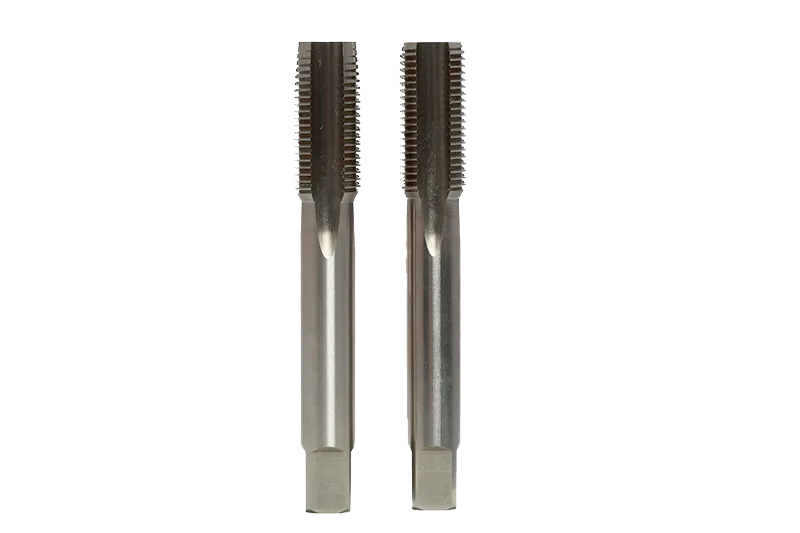
Hand & Short Machine Tap Fine Pitch
View Details
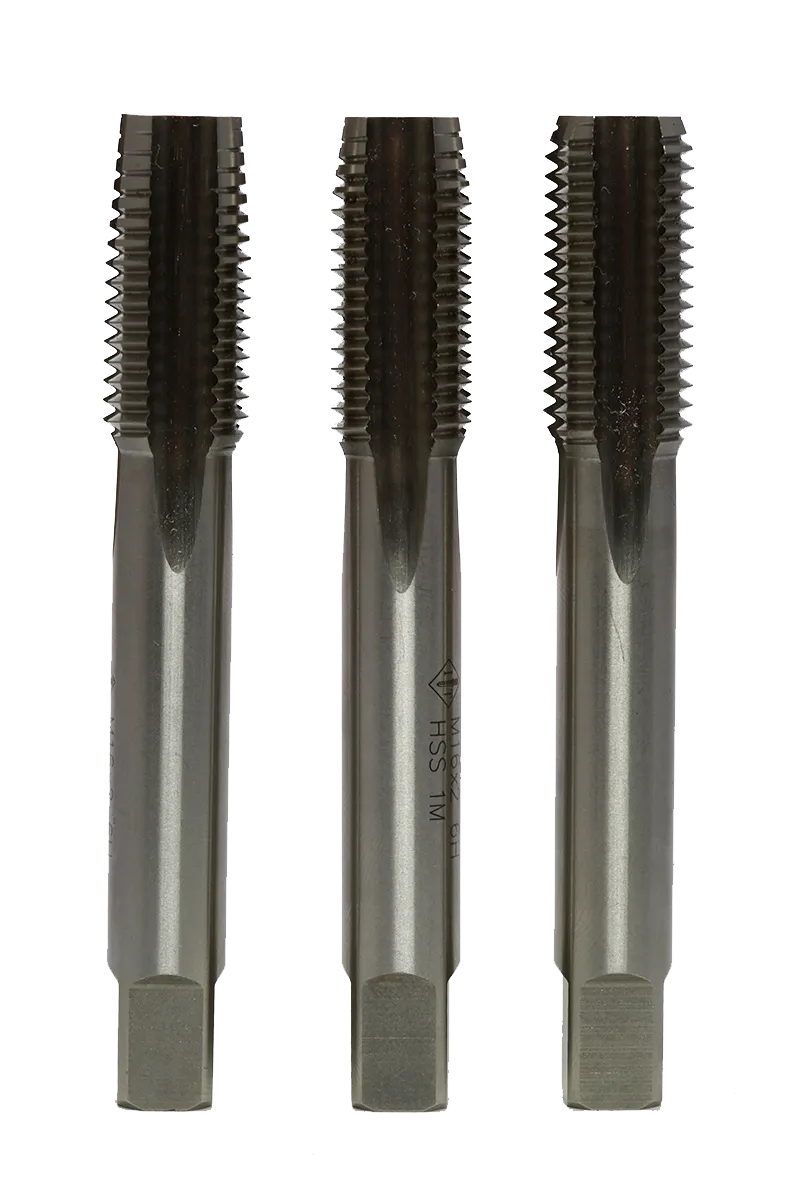
Hand & Short Machine Tap - Coarse Pitch
View Details

High Performance Torpedo Series Drill Bits
View Details

High Performance Ninja Series Drill Bits
View Details
High Performance Panther Series Drill Bits
View Details
Roughing End Mill
View Details

Ball Nose End Mill
View Details

Countersinks with included angle 60°,90°&120° - Taper Shank
View Details

Taper Shank and Detachable Pilot
View Details

Counterbores with Parallel Shank & Solid Pilots
View Details

Countersink 90° with MT Shank and Detachable Pilot
View Details
Countersink 90° with Parallel Shank and Solid Pilot
View Details

Woodruff keyslot Milling Cutter with Parallel Shank
View Details

Dove-Tail Milling Cutters
View Details

T-Slot Cutters - Taper Shank
View Details
T-Slot Cutters - Parallel Shank
View Details
Endmills
View Details

Slot Drills
View Details
End Mills - Parallel Shank
View Details

Slot Milling Cutters - Taper Shank
View Details
Slot Milling Cutters - Parallel Shank
View Details
Double Corner Rounding Cutters
View Details
Single Corner Rounding Cutters
View Details
Concave Milling Cutters
View Details
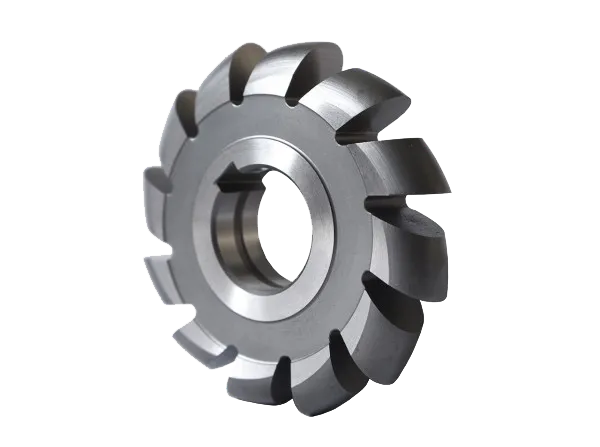
Convex Milling Cutters
View Details

Hollow Mills
View Details
Keyway Milling Cutters
View Details

Slotting Cutters
View Details
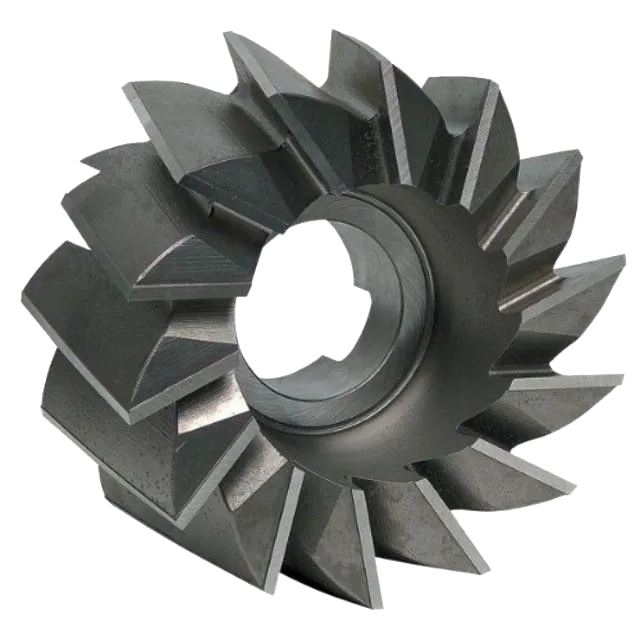
Face Cutters
View Details
Shell End Single Angle Cutters
View Details

Equal Angle Cutters
View Details

Double Angle Cutters
View Details
Single Angle Cutters
View Details
Shell End Mills
View Details

Staggered Teeth
View Details

Straight Teeth
View Details
Cylindrical Milling Cutters
View Details
High Performance Reamers
View Details
Taper Pipe Reamer
View Details

Guided Type B
View Details

Unguided Type A
View Details
Machine Bridge Reamers
View Details
Machine Reamers
View Details
Hand Reamers
View Details

Socket Reamers with Taper Shank
View Details

Socket Reamers with Parallel Shank
View Details
Shell Reamers
View Details

Machine Chucking Reamers with Taper Shank
View Details
Machine Chucking Reamers with Parallel Shank
View Details
Parallel Machine Reamers
View Details

Long Fluted Machine Reamers
View Details
Parallel Hand Reamers
View Details

B.S
View Details
Type R
View Details
Type B
View Details

Type A
View Details

Drill Sets
View Details
Carbide Tipped
View Details

Torpedo Series
View Details
Ninja Series
View Details
Panther Series
View Details
-2.webp)
Taper Pin Twist Drills
View Details
Sublan Twist Drills
View Details
Parallel Shank Sublan Twist Drills
View Details
Shell Core drills
View Details

Taper Shank Core Drills
View Details

Taper Shank Twist Drills for Forged Material - Extra Long Series
View Details
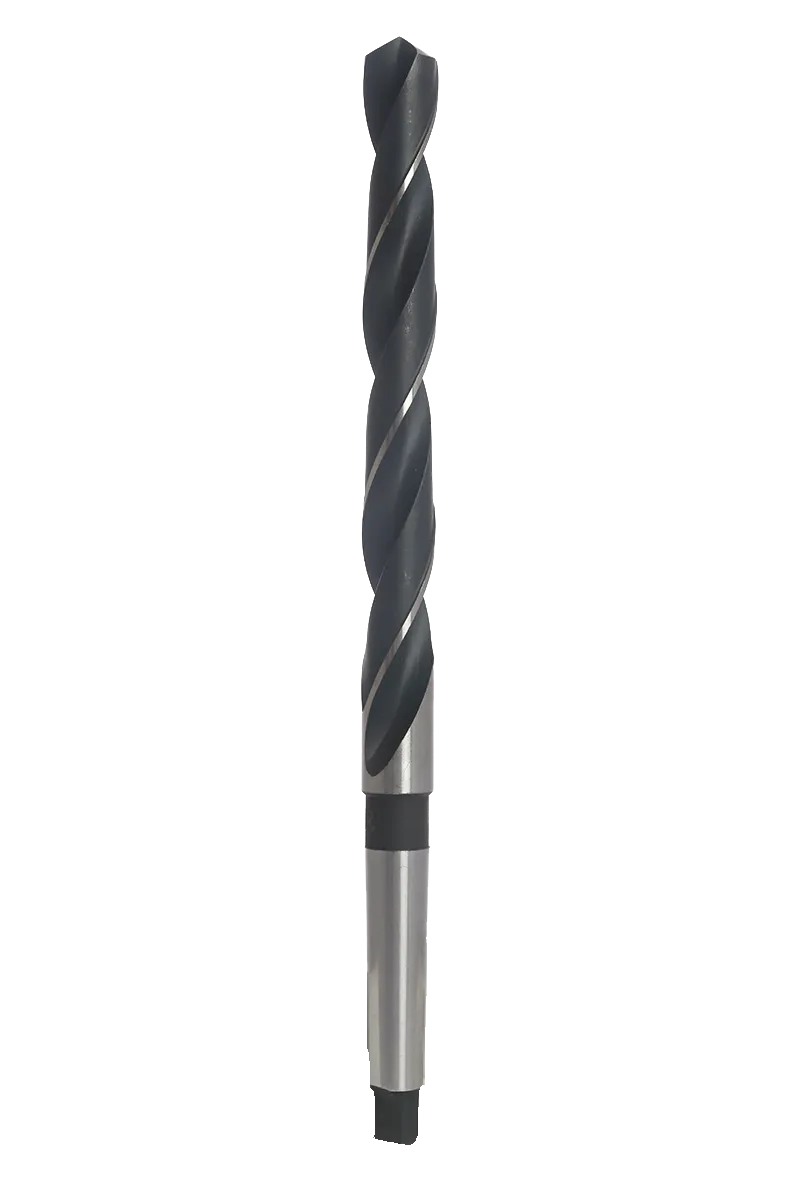
Taper Shank Twist Drills for Forged Material - Long Series
View Details

Taper Shank Twist Drills for Forged Material - Oversize Shank
View Details

Taper Shank Twist Drills for Forged Material - Standard Shank
View Details
.webp)
Taper Shank Twist Drills - Extra Long Series
View Details
.webp)
Taper Shank Twist Drills - Long Series
View Details
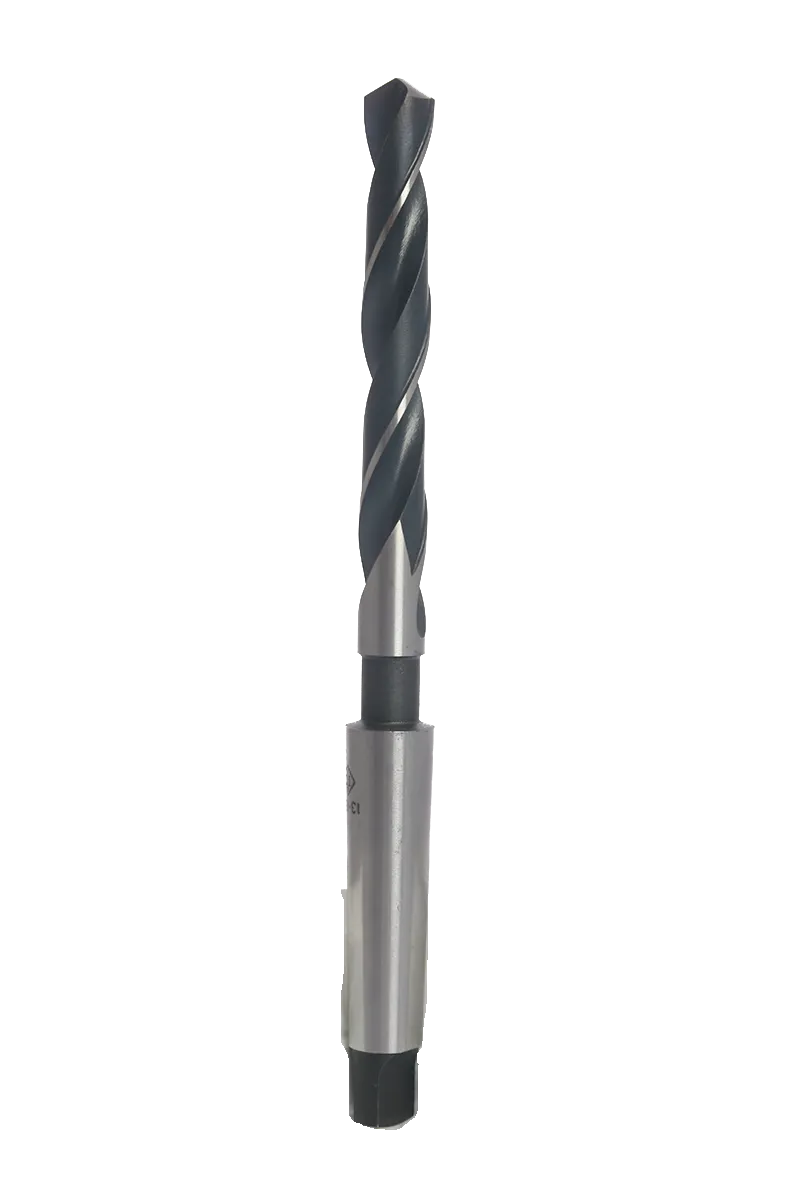
Taper Shank Twist Drills - Oversize Shank
View Details
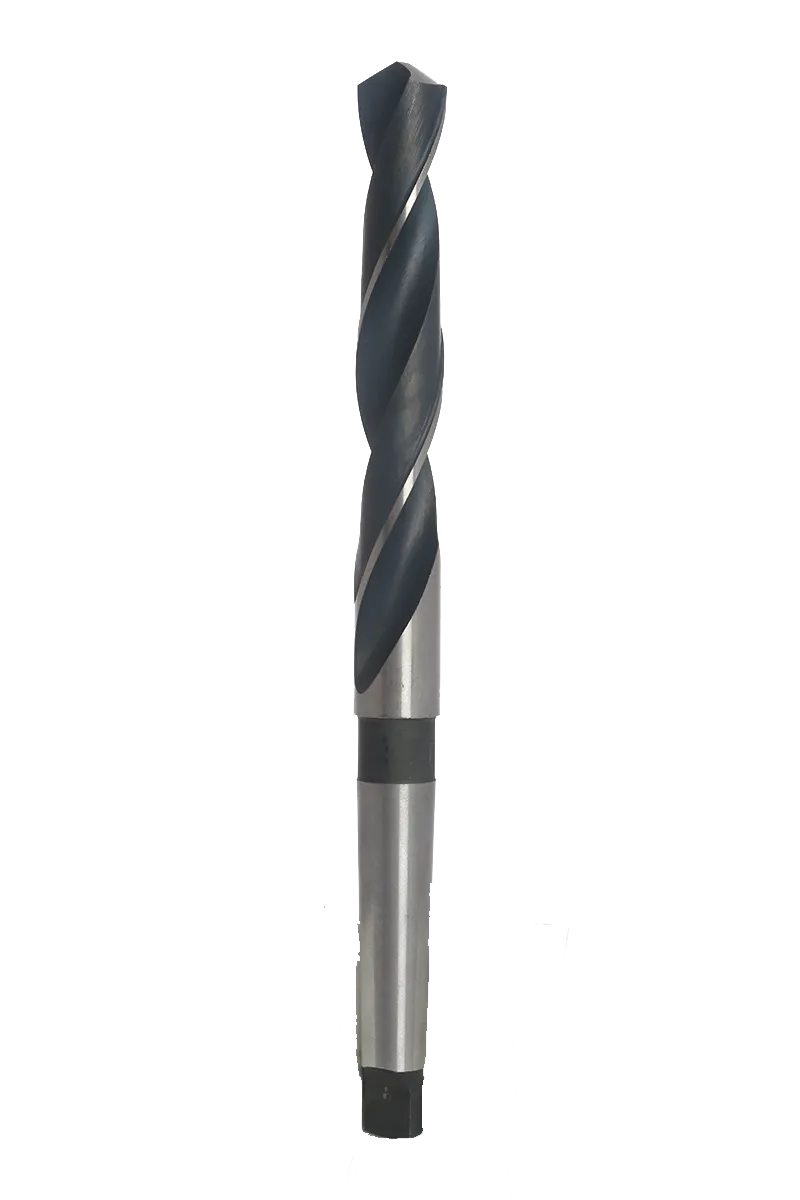
Taper Shank Twist Drills - Standard Shank
View Details
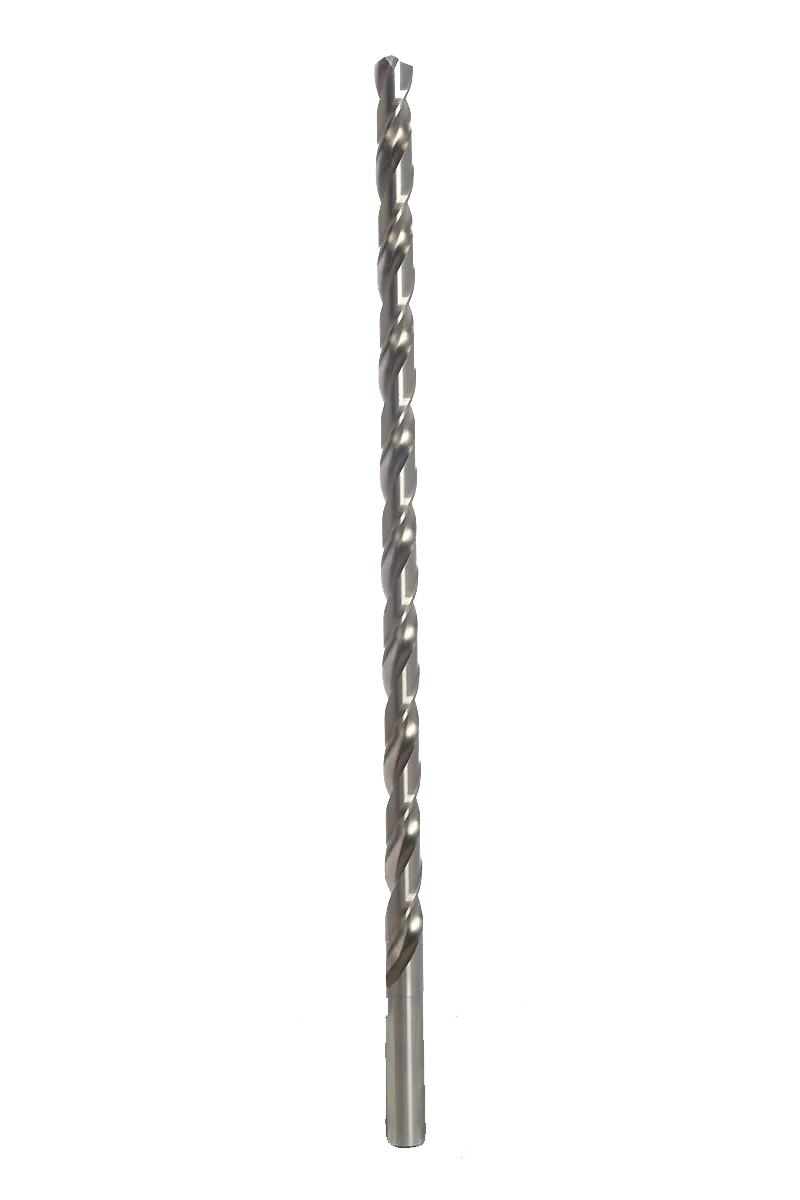
Parallel Shank Twist Drills - Extra Long Series
View Details
Parallel Shank Twist Drills - Long Series
View Details

Parallel Shank Twist Drills - Jobber Series
View Details
Parallel Shank Twist Drills - Stub Series
View Details

SOLID CARBIDE END MILLS
View Details

SOLID CARBIDE DRILLS
View Details
Chat With Us