



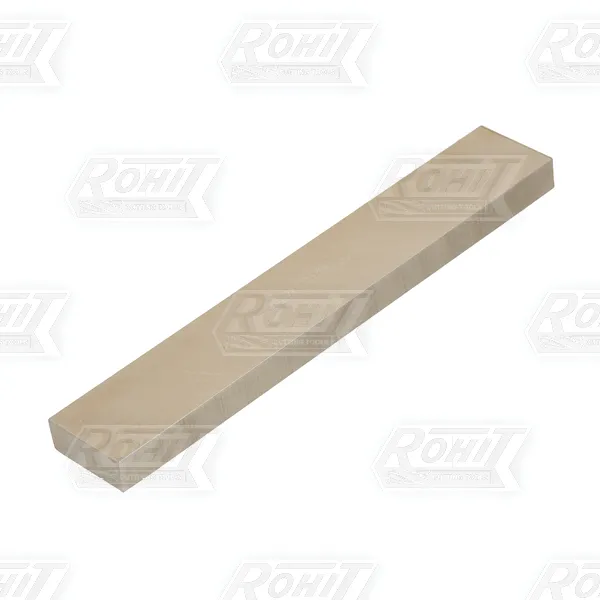
Hathyar - Flat Tool Bits
Short Description
Not every cutting job on a lathe needs a specialized shape, and that's where a good flat bit steps in. Made from high-speed steel and ground into a rectangular cross-section, Hathyar flat tool bits are shaped so a machinist can grind them into whatever profile the job calls for, whether that's a turning edge, a facing tool, or a custom form. The flat body gives more surface area to grip in the holder, which keeps the bit steady even during heavier cuts. It's the sort of tool that earns its spot in a toolbox because it adapts rather than limits.
- Material: High-speed steel, with select grades containing cobalt for added toughness
- Grades: M2 for everyday turning work, M35 and M42 for harder alloys and stainless steel
- Hardness: Heat treated to a range that supports sustained cutting without softening
- Size Range: Offered in various thicknesses and widths to fit different tool holders
- Cross-Section: Flat or rectangular, distinguishing it from square or round bit types
- Surface Finish: Ground on all faces for dimensional accuracy and a smoother cut
- Standards: Produced to standard tolerance levels used across the tooling industry
Key Features
- Rectangular cross-section for a wider grip and better stability in the holder
- High-speed steel construction for good heat resistance during cutting
- Can be ground into custom profiles for turning, facing, or forming
- Retains a sharp edge across extended machining runs
- Available in cobalt-alloyed grades for tougher material cutting
- Suitable for both manual lathes and shaping machines
- Consistent hardness across the length of the bit
- Easy to resharpen using a standard grinding wheel
Applications of Hathyar Flat Tool Bits
- Turning operations on manual and semi-automatic lathes
- Facing work on shafts, discs, and cylindrical components
- Shaping and slotting operations in metalworking shops
- Custom-ground form tools for repetitive part profiles
- General fabrication and workshop machining
- Maintenance and repair work in industrial plants
- Producing turned components in small batch production
- Tool room work where bits are reshaped for specific jobs
- Machining of both ferrous and non-ferrous metals
- Automotive and general engineering component work
Advantages of Flat Tool Bits
- Wider base gives a firmer hold in the tool post, reducing vibration
- Flexible shape allows one bit to be ground for multiple tasks
- Holds cutting performance across a range of common metals
- Straightforward to reshape without needing specialized equipment
- Reduces the need to stock several tool profiles separately
- Handles moderate to heavy cutting loads without losing its edge
Why Choose Genuine Enterprises
Flat tool bits are only as useful as the metal they're made from, and that's a part we don't take shortcuts on. We source proper high-speed steel, run it through controlled heat treatment, and grind each batch to keep dimensions consistent from piece to piece. Workshops that grind their own tool shapes need that starting consistency, and it's something we pay close attention to before dispatch.
As a well-established hathyar supplier in India, we've worked with machine shops that need bits which hold up under repeated regrinding without losing hardness. Our production process is built around that exact requirement. If you need a specific grade or size for a particular application, our team is easy to reach and happy to guide the selection.
1.What makes flat tool bits different from square tool bits?
Flat bits have a rectangular cross-section that offers a wider grip surface, while square bits have equal width and thickness on all sides.
2. Which grade should I pick for cutting stainless steel?
M35 or M42 grades, which contain cobalt, generally hold up better on stainless steel and other tougher alloys than standard M2.
3. Can a flat tool bit be ground into different shapes?
Yes, that's one of its main advantages, since the flat profile makes it easy to grind into turning, facing, or custom form tools.
4. How long does the cutting edge typically last before resharpening?
It depends on the material being cut and cutting speed, but properly used HSS bits generally hold an edge through a good number of passes before needing a regrind.
5. Are these tool bits suitable for CNC lathes?
They're primarily used on manual and semi-automatic lathes, though they can be adapted for certain CNC setups depending on the holder configuration.
Related Products

End Mills - Taper Shank
View Details
Grooving Tools
View Details
Annular Cutter
View Details
Diamond Coated Files
View Details
Needle Files
View Details
Engineering Files
View Details
Hathyar - Round Tool Bits
View Details
Hathyar - Parting Tool Bits
View Details
HT 1000
View Details
HT 900
View Details
HT 600
View Details
Helicoil Taps
View Details

Cast Iron Taps - Torpedo Series
View Details

Cast Iron Taps - Ninja Series
View Details
Cast Iron Taps - Panther Series
View Details

Roll Form Taps - Torpedo Series
View Details
Roll Form Taps - Ninja Series
View Details
Roll Form Taps - Panther Series
View Details
Spiral Point Taps - Torpedo Series
View Details
Spiral Point Taps - Ninja Series
View Details

Spiral Point Taps - Panther Series
View Details
Spiral Fluted Taps - Torpedo Series
View Details
Spiral Fluted Taps - Ninja Series
View Details

Spiral Fluted Taps - Panther Series
View Details
Metric
View Details
BSW
View Details
Metric Fine
View Details

Metric Coarse
View Details
Shell Taps
View Details

BSCy
View Details
-NGT.webp)
Taper Pipe Hand Taps (Gas)-NGT
View Details
Taper Pipe Hand Taps - NPT
View Details
Straight Pipe Hand Taps - NPS
View Details
BSPT
View Details
BSP
View Details

Long Shank Machine Tap - Fine Pitch
View Details

Long Shank Machine Tap - Coarse Pitch
View Details
UNF
View Details
UNC
View Details
Hand & Short Machine Tap Fine Pitch
View Details
Hand & Short Machine Tap - Coarse Pitch
View Details

High Performance Torpedo Series Drill Bits
View Details

High Performance Ninja Series Drill Bits
View Details
High Performance Panther Series Drill Bits
View Details
Roughing End Mill
View Details

Ball Nose End Mill
View Details

Countersinks with included angle 60°,90°&120° - Taper Shank
View Details

Taper Shank and Detachable Pilot
View Details

Counterbores with Parallel Shank & Solid Pilots
View Details

Countersink 90° with MT Shank and Detachable Pilot
View Details
Countersink 90° with Parallel Shank and Solid Pilot
View Details

Woodruff keyslot Milling Cutter with Parallel Shank
View Details

Dove-Tail Milling Cutters
View Details

T-Slot Cutters - Taper Shank
View Details
T-Slot Cutters - Parallel Shank
View Details
Endmills
View Details

Slot Drills
View Details
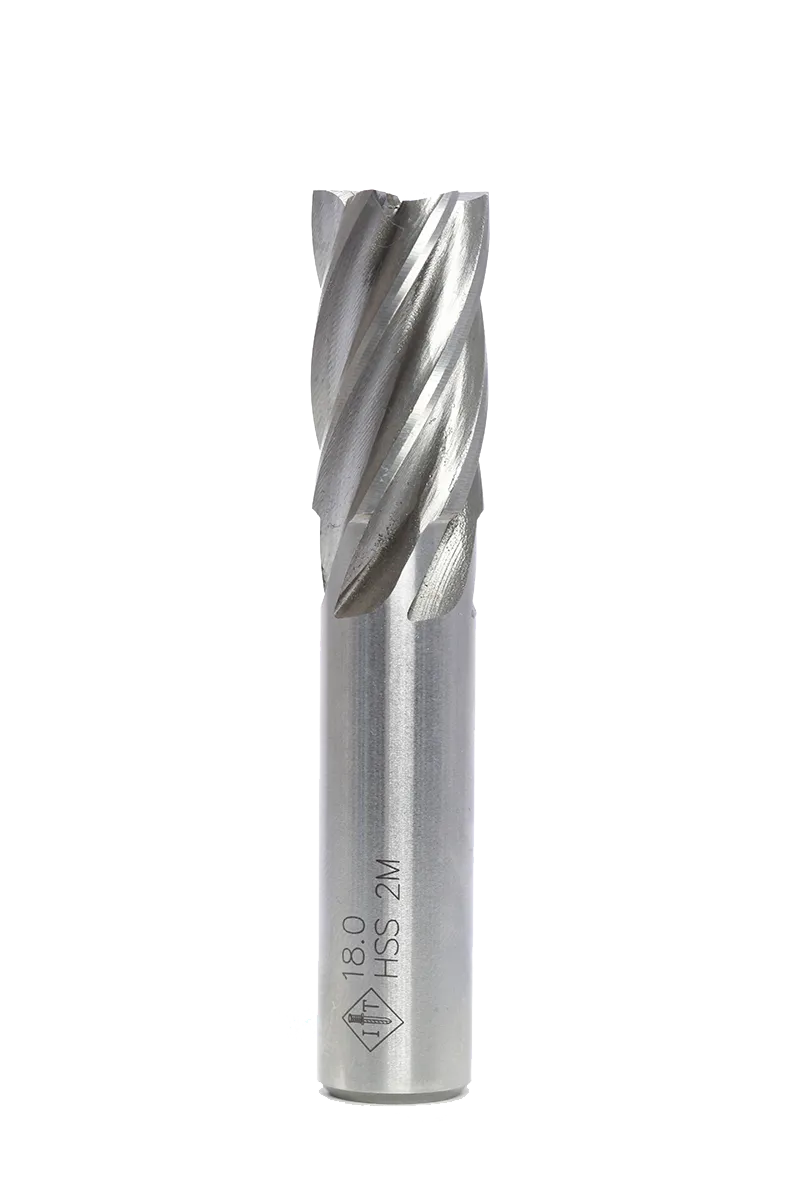
End Mills - Parallel Shank
View Details

Slot Milling Cutters - Taper Shank
View Details
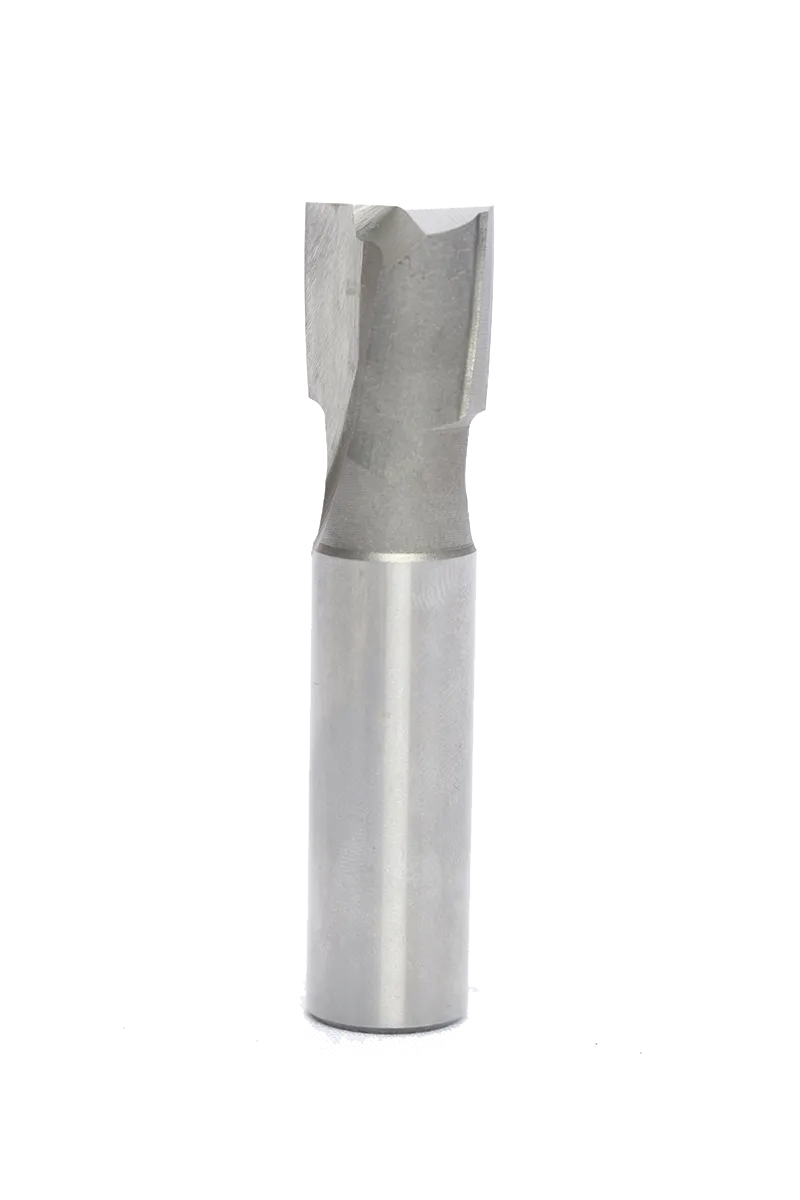
Slot Milling Cutters - Parallel Shank
View Details
Double Corner Rounding Cutters
View Details
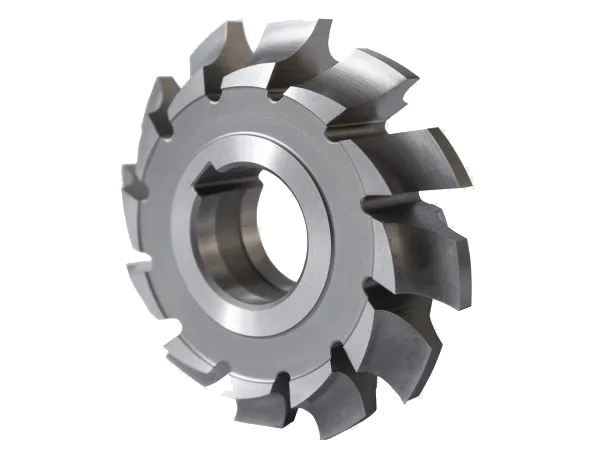
Single Corner Rounding Cutters
View Details
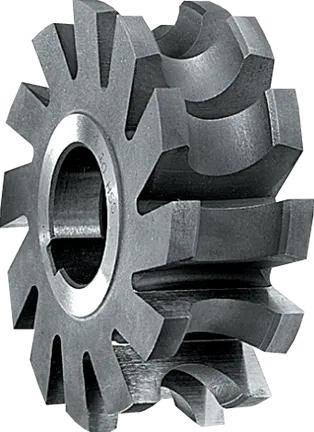
Concave Milling Cutters
View Details
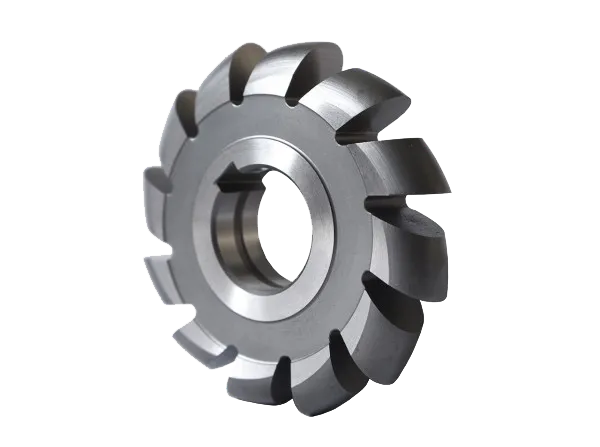
Convex Milling Cutters
View Details

Hollow Mills
View Details
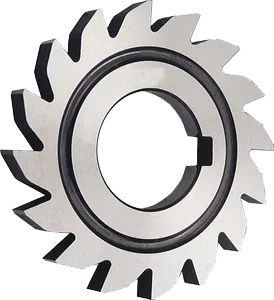
Keyway Milling Cutters
View Details

Slotting Cutters
View Details
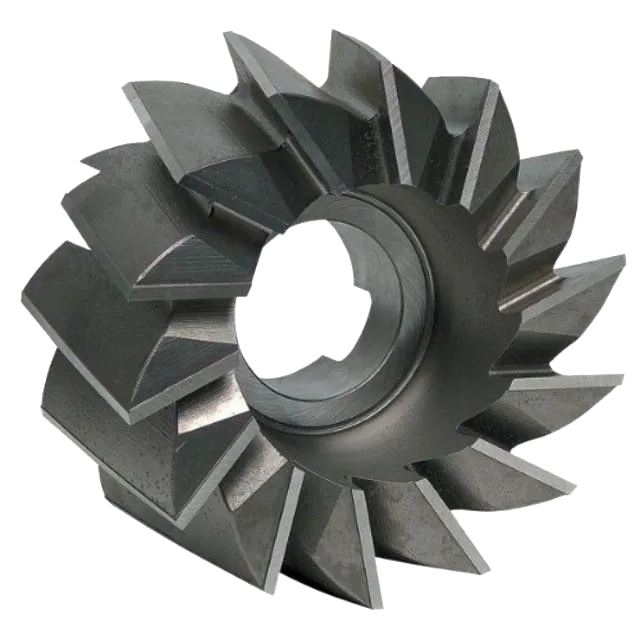
Face Cutters
View Details
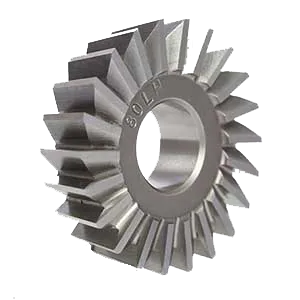
Shell End Single Angle Cutters
View Details

Equal Angle Cutters
View Details

Double Angle Cutters
View Details
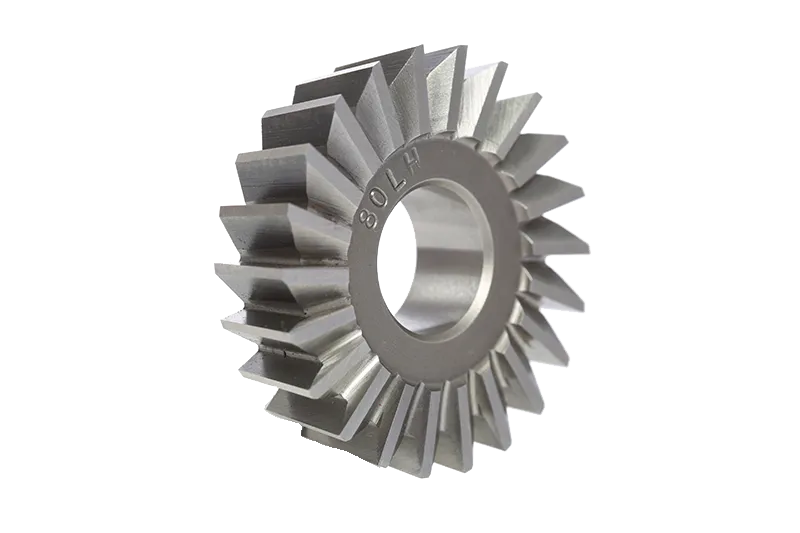
Single Angle Cutters
View Details
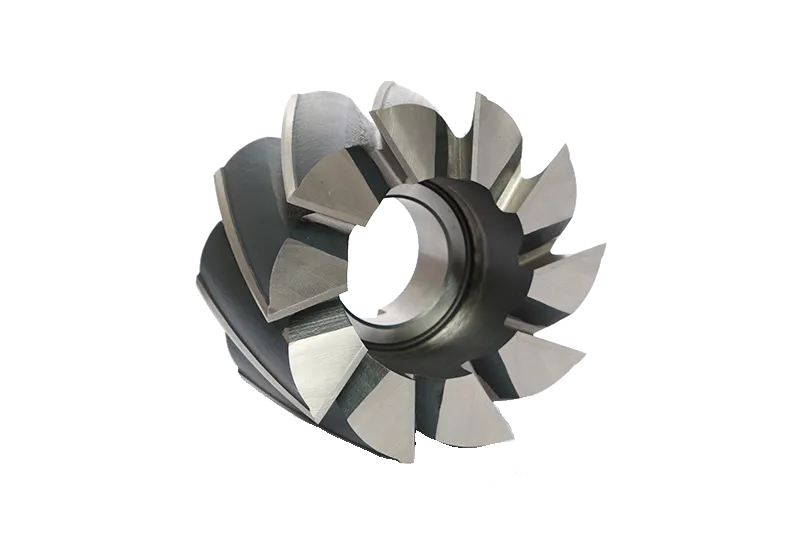
Shell End Mills
View Details

Staggered Teeth
View Details

Straight Teeth
View Details
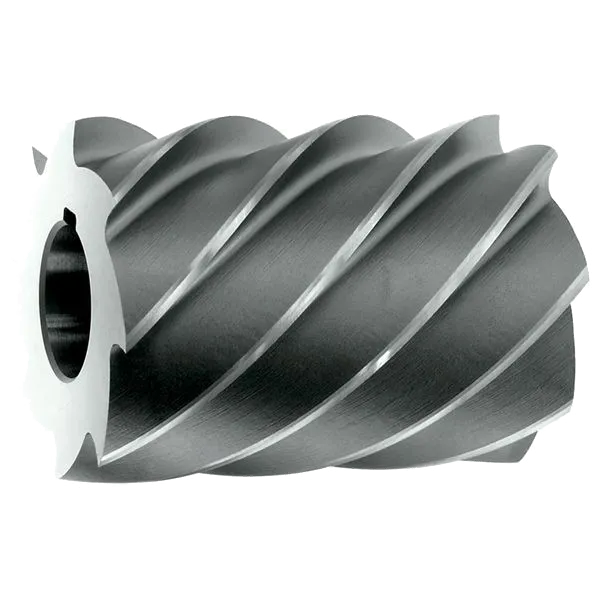
Cylindrical Milling Cutters
View Details
High Performance Reamers
View Details
Taper Pipe Reamer
View Details

Guided Type B
View Details

Unguided Type A
View Details
Machine Bridge Reamers
View Details
Machine Reamers
View Details
Hand Reamers
View Details

Socket Reamers with Taper Shank
View Details

Socket Reamers with Parallel Shank
View Details
Shell Reamers
View Details

Machine Chucking Reamers with Taper Shank
View Details
Machine Chucking Reamers with Parallel Shank
View Details
Parallel Machine Reamers
View Details

Long Fluted Machine Reamers
View Details
Parallel Hand Reamers
View Details

B.S
View Details
Type R
View Details
Type B
View Details

Type A
View Details

Drill Sets
View Details
Carbide Tipped
View Details

Torpedo Series
View Details
Ninja Series
View Details
Panther Series
View Details
-2.webp)
Taper Pin Twist Drills
View Details
Sublan Twist Drills
View Details
Parallel Shank Sublan Twist Drills
View Details
Shell Core drills
View Details

Taper Shank Core Drills
View Details

Taper Shank Twist Drills for Forged Material - Extra Long Series
View Details
Taper Shank Twist Drills for Forged Material - Long Series
View Details

Taper Shank Twist Drills for Forged Material - Oversize Shank
View Details

Taper Shank Twist Drills for Forged Material - Standard Shank
View Details
.webp)
Taper Shank Twist Drills - Extra Long Series
View Details
.webp)
Taper Shank Twist Drills - Long Series
View Details
Taper Shank Twist Drills - Oversize Shank
View Details
Taper Shank Twist Drills - Standard Shank
View Details
Parallel Shank Twist Drills - Extra Long Series
View Details
Parallel Shank Twist Drills - Long Series
View Details

Parallel Shank Twist Drills - Jobber Series
View Details
Parallel Shank Twist Drills - Stub Series
View Details

SOLID CARBIDE END MILLS
View Details

SOLID CARBIDE DRILLS
View Details
Chat With Us