



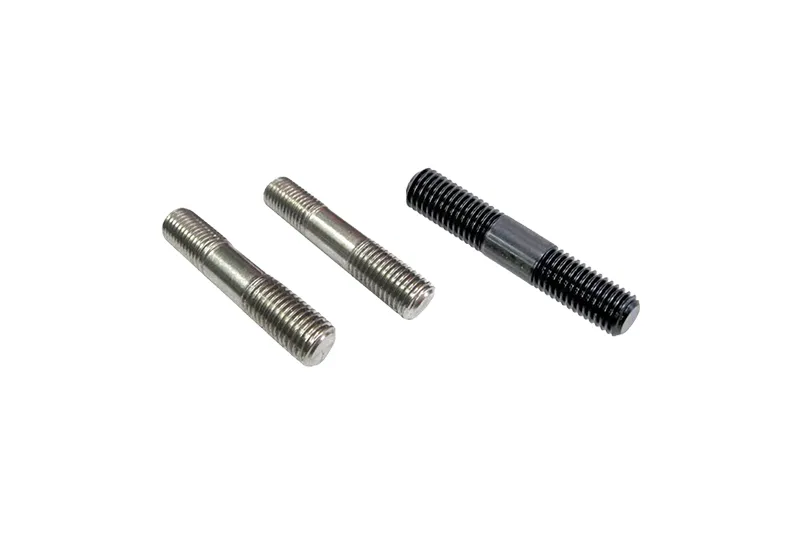
Stud
Short Description
Brand:- Caparo or any general.
A stud is one of the simplest fasteners out there, just a straight metal rod threaded on both ends or along its full length, with no head to speak of. That simplicity is exactly what makes it so useful. One end screws into a tapped hole or a fixed component, while the other end takes a nut, allowing parts to be assembled, removed, and reassembled without disturbing the base connection. When the application involves serious stress or high operating pressure, a high tensile stud bolt is often the go-to choice, since it's engineered to handle loads that a standard fastener would struggle with.
- Material: Carbon Steel, Alloy Steel, Stainless Steel
- Grades: Grade B7, Grade B8, Grade B16, and other grades on request
- Thread Type: Metric, UNC, UNF, and BSW threads available
- Size Range: M6 to M100, with other sizes made to order
- Thread Style: Full thread or double-end thread with a plain center section
- Surface Finish: Zinc Plated, Hot Dip Galvanized, PTFE Coated, Black Oxide
- Standards: ASTM A193, DIN, ISO, IS, and custom specifications
Key Features
- Threaded on both ends or along the entire length
- No head, allowing flush mounting in tight spaces
- Available as full-thread or partial-thread designs
- Works with nuts on both ends for a two-point secure connection
- Suitable for high-pressure and high-temperature environments
- Offered in various tensile strength grades
- Compatible with flanges, gaskets, and machine housings
- Coating and finish options available for corrosion resistance
Applications of Stud
- Pipe flange connections
- Pressure vessels and boilers
- Oil and gas refineries
- Power plants and turbines
- Automotive engine assemblies
- Structural steel connections
- Heavy machinery housings
- Valve and pump assemblies
- Petrochemical processing equipment
- General industrial equipment assembly
Advantages of Stud
- Provides a strong, even clamping force across a joint
- Allows repeated assembly and disassembly without thread damage
- Performs well under high pressure and elevated temperatures
- Reduces stress concentration compared to standard bolts
- Fits neatly into confined or flush-mounted spaces
- Available in high strength grades for demanding applications
Why Choose Genuine Enterprises?
Genuine Enterprises supplies a full range of studs for industries where joint strength and consistency genuinely matter. From standard fasteners to high tensile studs built for pressure-critical assemblies, every batch is checked for thread accuracy and material grade before dispatch.
We've become a name that buyers turn to as a high tensile studs supplier in India, largely because we focus on getting the specifications right the first time. Whether the requirement is for refinery equipment, power generation, or general industrial use, our team helps identify the correct grade and size for the job.
1.What is a stud used for?
A stud is used to join two components together using nuts on either end, commonly seen in pipe flanges, machinery housings, and pressure equipment.
2.How is a stud different from a regular bolt?
A stud has no head and is threaded on both ends, while a regular bolt has a head on one end and a nut on the other. This makes studs better suited for flush or repeated-assembly applications.
3. What makes a high tensile stud bolt different from a standard stud?
A high tensile stud bolt is manufactured to withstand higher loads and stress, making it suitable for demanding applications like refineries, power plants, and pressure vessels.
4. Can studs be reused after disassembly?
Yes, in most cases studs can be reused as long as the threads remain undamaged and the component hasn't been exposed to excessive stress or corrosion.
5. Which industries commonly use studs?
Studs are widely used in oil and gas, power generation, automotive, and heavy industrial sectors, particularly in applications involving flanges, pressure equipment, and machinery assembly.
Related Products
Wing Nut
View Details
Threaded Rods
View Details

Fencing Coupler
View Details
tie rod
View Details
Baseplate
View Details

Steel Props
View Details
Stirrup Head
View Details
single forged coupler
View Details

Right Angle Coupler
View Details

Swivel Coupler
View Details

Heavy Duty Shield Anchor
View Details
Wrap sleeve anchor
View Details

Sleeve anchor
View Details

Single ring
View Details
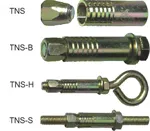
Sleeve and Taper Nut
View Details
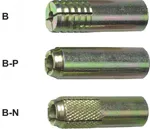
Bullet type anchor
View Details

Double Ring
View Details
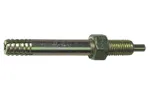
Pin Type anchor bolt
View Details

SPRING LOCK WASHER
View Details

PLAIN WASHER
View Details

HEX SOCKET SET SCREW - FLAT POINT
View Details

SELF DRILLING PAN HEAD SCREW
View Details

TRUSS HEAD PHILIPS SCREW
View Details

PAN PHILIPS SEMS SCREW
View Details

PAN COMBI HEAD BUILT IN WASHER SCREW
View Details
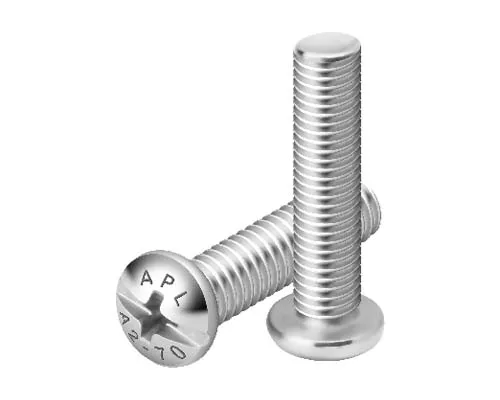
PAN HEAD COMBI SCREW
View Details
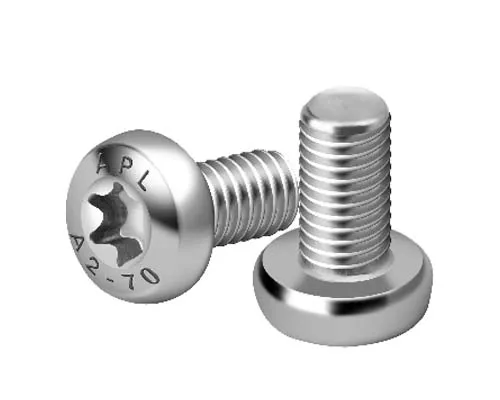
HEXABULAR SOCKET PAN HEAD TORX SCREW
View Details

SLOTTED CSK SELF TAPPING SCREW
View Details

SOLTTED PAN HEAD SELF TAPPING SCREW
View Details

COUNTERSUNK PHILIPS SELF TAPPING SCREW
View Details

CROSS RESSESED PAN HEAD TAPPING SCREW
View Details

SLOTTED ROUND HEAD SCREW
View Details

SOCKET BUTTON HEAD SCREW
View Details

CSK ALLEN
View Details

SLOTTED CSK HEAD SCREW
View Details

SLOTTED CHEESE HEAD SCREW
View Details
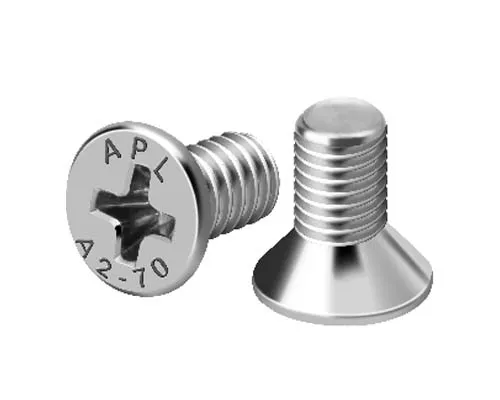
CSK PHILIPS HEAD SCREW
View Details
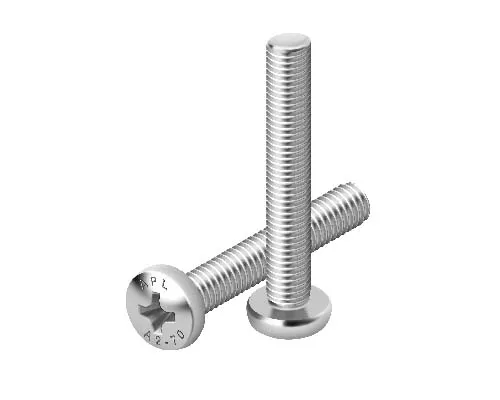
PAN PHILIPS HEAD MACHINE SCREW
View Details
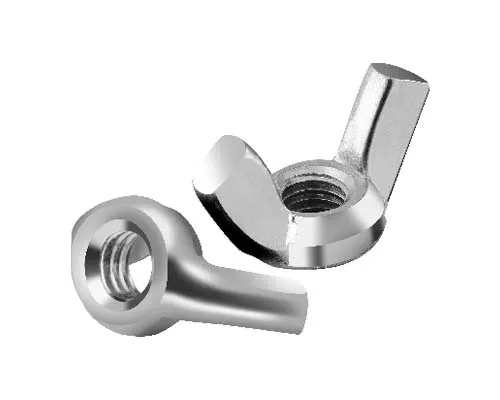
WING NUT
View Details

HEX FLANGE NUT
View Details

DOME NUT
View Details
HEAVY HEX NUT
View Details

HEX LOCK NUT
View Details

HEX NYLOCK NUT
View Details
HEX NUT
View Details
U BOLT
View Details

THREADED STUD - BOTH SIDE
View Details

HEX HEAD BOLT - BOTTOM SLOTTED
View Details
HEX HEAD BOLT WITH HOLE
View Details

HEX HEAD BOLT POINTED
View Details

HEX HEAD SEMS SCREW
View Details

MUSHROOM HEAD SQUARE NECK BOLT
View Details

HEX HEAD BOLT HALF THREAD
View Details

SOCKET HEAD ALLEN CAP SCREW
View Details

HEX HEAD SCREW
View Details

Countersunk Head Screws
View Details

Wafer Head Screws
View Details

Pan Head Screws
View Details

Aluminium Blind Rivets
View Details
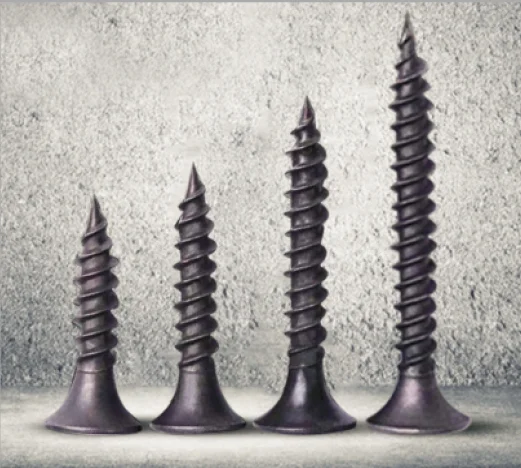
SM Dry Wall Screws
View Details
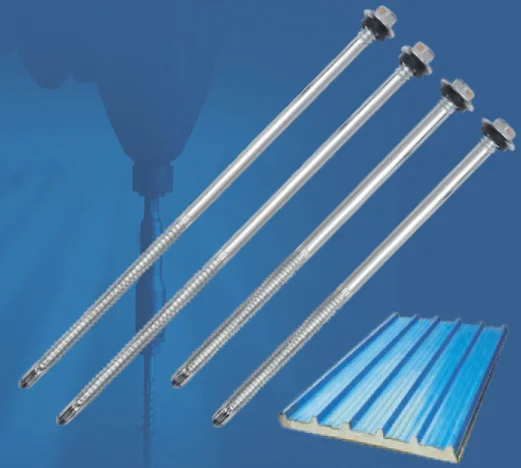
Screws for PUF Panels
View Details

Self Drilling Screws For Hot Rolled Purlins
View Details
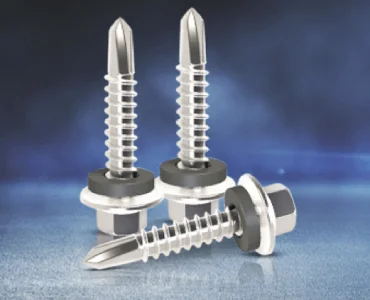
Self Drilling Screws For Cold Rolled Purlins
View Details
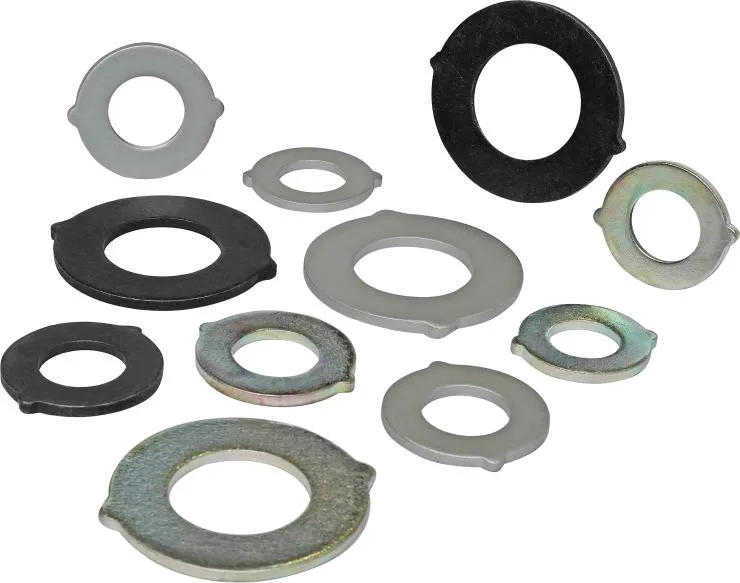
HSFG WASHER
View Details
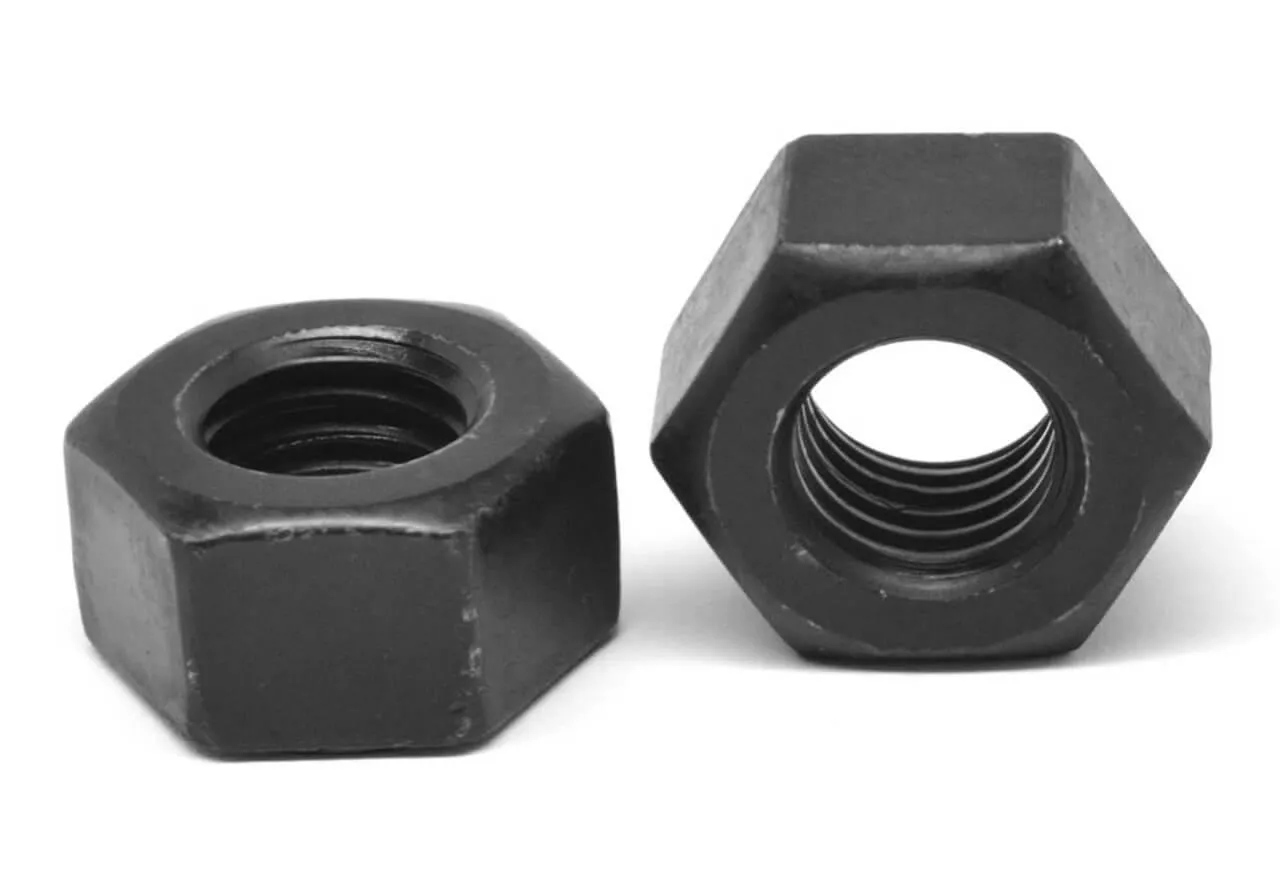
HSFG NUTS
View Details
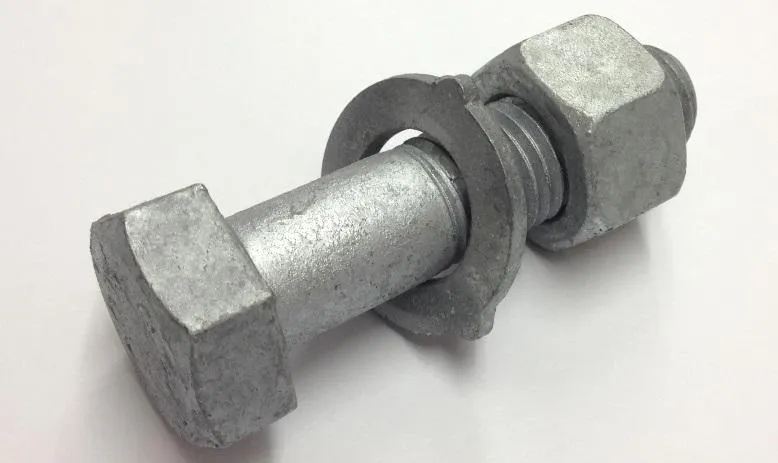
HSFG BOLT
View Details
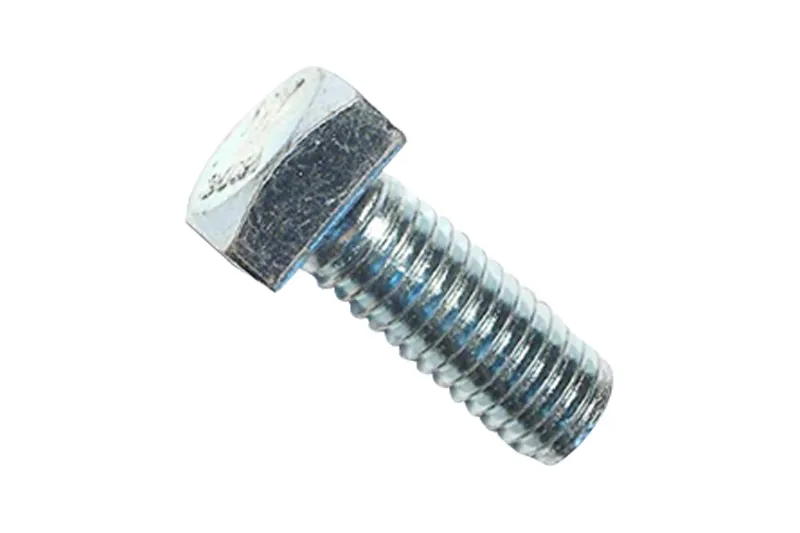
Square Head Screw & Bolt
View Details

Flange Nuts
View Details
Lock Nuts
View Details
Nylon Insert Nuts
View Details
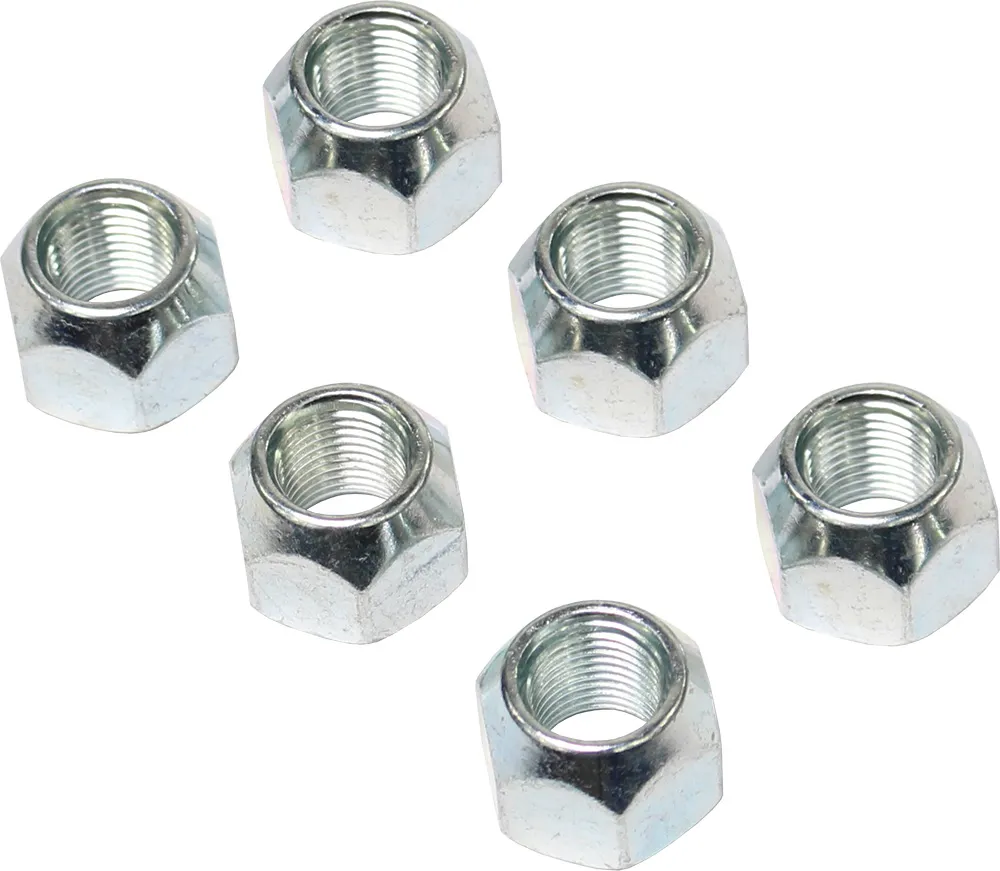
Wheel Nuts
View Details
Hex Nuts
View Details

Hex Socket C'sk Head Screw & Bolt
View Details
Dowel Pin
View Details

Standard Hex Head Bolts
View Details

Socket Head Cap Screw
View Details
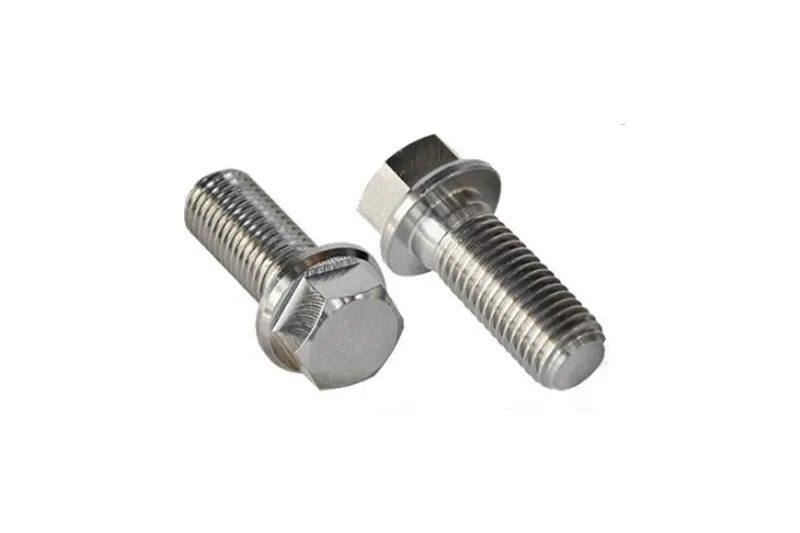
Flange Bolts & Screws
View Details
Collar Bolts & Screws
View Details

Square Neck Bolts
View Details

Hex Flange Screw
View Details

Transmission Bolts
View Details

Double-end Studs
View Details

Single-end Studs
View Details
Chat With Us