



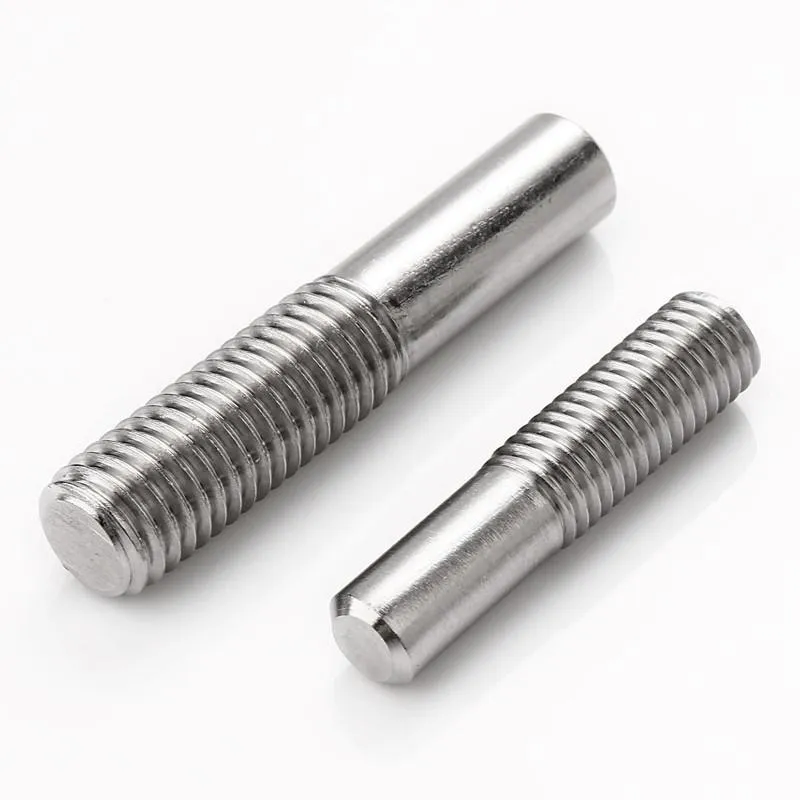
Single-end Studs
Short Description
Brand:- Caparo or any general.
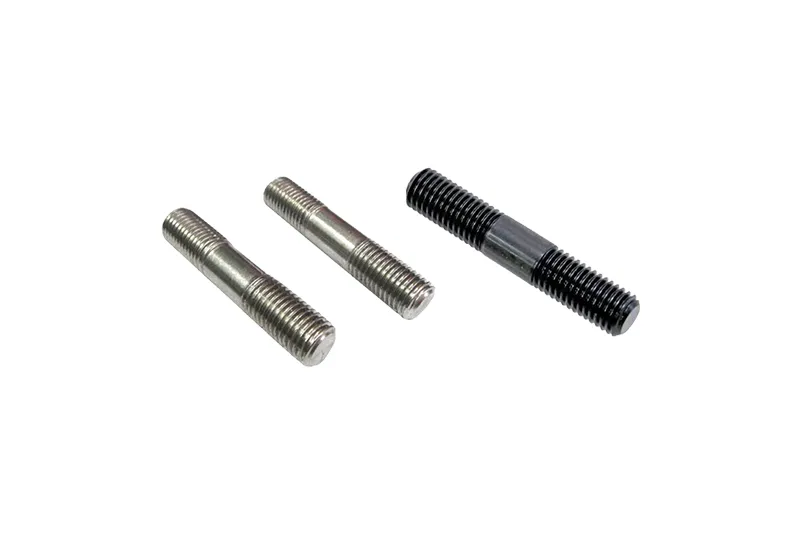
Single-End Studs are threaded fasteners designed with threads on one end and a plain shank on the other, making them suitable for applications where one end is permanently fixed into a tapped hole while the opposite end is used for fastening components with a nut. Also known as One-End Threaded Studs, they provide a secure connection while allowing easy assembly and disassembly without disturbing the fixed end. This design helps minimise thread wear on the parent material, making these fasteners suitable for equipment that requires regular maintenance. Available in a range of materials, grades, thread types, and dimensions, Single-End Studs are suitable for diverse industrial applications.
- Material: Carbon Steel, Alloy Steel, Stainless Steel
- Grades: 8.8, 10.9, 12.9, and other grades available on request
- Thread Type: Metric, UNC, UNF, BSW, and other thread standards
- Diameter: Standard sizes from M6 to M100
- Length: Standard lengths as per application requirements
- Surface Finish: Zinc Plated, Black Oxide, Hot Dip Galvanized, Plain Finish, PTFE Coated, and other protective coatings
- Standards: DIN, ASTM, ISO, BS, IS, or customer-specific specifications
Key Features
- Threaded on one end with a plain shank for secure installation
- Precision-machined threads for accurate fitment
- Suitable for repeated assembly and disassembly
- High tensile strength for demanding industrial applications
- Available in carbon steel, alloy steel, and stainless steel
- Multiple grades, thread standards, and surface finishes available
- Corrosion-resistant coating options for enhanced durability
- Suitable for a wide range of industrial fastening applications
Applications of Single-End Studs
- Heavy engineering machinery
- Pumps and compressors
- Valves and pipeline systems
- Flange assemblies
- Power generation plants
- Oil and gas facilities
- Petrochemical and chemical processing plants
- Construction and infrastructure projects
- Steel and cement plants
- Marine and offshore equipment
Advantages of Single-End Studs
- Reduces wear on tapped threads during repeated maintenance
- Provides secure and reliable fastening
- Improves alignment of connected components
- Simplifies installation and component replacement
- Performs reliably under heavy loads and vibration
- Available in multiple materials, grades, and finishes
Why Choose Genuine Enterprises?
Genuine Enterprises is a trusted single-end studs supplier in India, offering high-quality fastening solutions for diverse industrial applications. Our products are available in multiple materials, grades, dimensions, and finishes to meet a wide range of engineering requirements. We focus on delivering consistent quality, competitive pricing, and timely deliveries to support the fastening needs of industries across India.
1. What are single-end studs used for?
Single-end studs are used where one end is permanently fixed into a tapped hole while the opposite end secures components using a nut. They are commonly used in machinery, pumps, valves, flanges, and structural assemblies.
2. What is the difference between a single-end threaded stud and a double-end stud?
A single-end threaded stud has threads on one end and a plain shank on the other, whereas a double-end stud has threads on both ends with an unthreaded centre section.
3. Which materials are available for one-end threaded studs?
One-end threaded studs are commonly available in carbon steel, alloy steel, and stainless steel. The choice of material depends on the application's strength and environmental requirements.
4. Which surface finishes are available for single-end studs?
Single-End Studs are available in finishes such as Zinc Plated, Black Oxide, Hot Dip Galvanized, Plain Finish, and PTFE Coated to improve corrosion resistance and performance in different operating environments.
5. How do I choose the right single-end studs?
The right single-end stud depends on factors such as material, grade, thread type, dimensions, load requirements, and operating conditions. Selecting the appropriate specification helps ensure reliable fastening and long-term performance.
Related Products
Wing Nut
View Details
Threaded Rods
View Details

Fencing Coupler
View Details
tie rod
View Details
Baseplate
View Details

Steel Props
View Details
Stirrup Head
View Details
single forged coupler
View Details

Right Angle Coupler
View Details

Swivel Coupler
View Details

Heavy Duty Shield Anchor
View Details
Wrap sleeve anchor
View Details

Sleeve anchor
View Details

Single ring
View Details
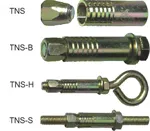
Sleeve and Taper Nut
View Details
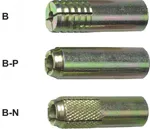
Bullet type anchor
View Details

Double Ring
View Details
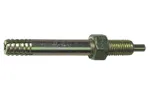
Pin Type anchor bolt
View Details

SPRING LOCK WASHER
View Details

PLAIN WASHER
View Details

HEX SOCKET SET SCREW - FLAT POINT
View Details

SELF DRILLING PAN HEAD SCREW
View Details

TRUSS HEAD PHILIPS SCREW
View Details

PAN PHILIPS SEMS SCREW
View Details

PAN COMBI HEAD BUILT IN WASHER SCREW
View Details
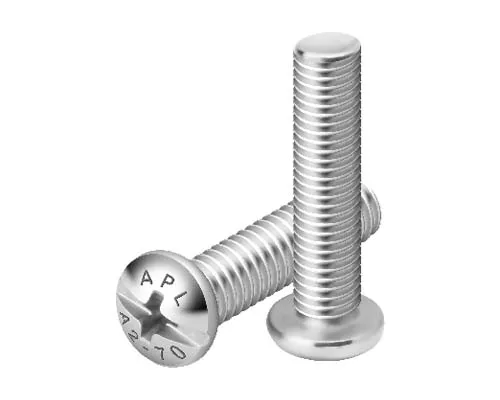
PAN HEAD COMBI SCREW
View Details
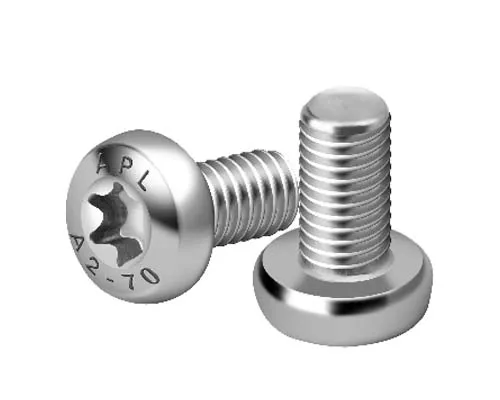
HEXABULAR SOCKET PAN HEAD TORX SCREW
View Details

SLOTTED CSK SELF TAPPING SCREW
View Details

SOLTTED PAN HEAD SELF TAPPING SCREW
View Details

COUNTERSUNK PHILIPS SELF TAPPING SCREW
View Details

CROSS RESSESED PAN HEAD TAPPING SCREW
View Details

SLOTTED ROUND HEAD SCREW
View Details

SOCKET BUTTON HEAD SCREW
View Details

CSK ALLEN
View Details

SLOTTED CSK HEAD SCREW
View Details

SLOTTED CHEESE HEAD SCREW
View Details
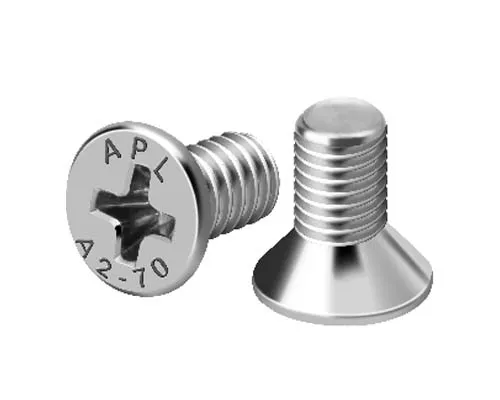
CSK PHILIPS HEAD SCREW
View Details
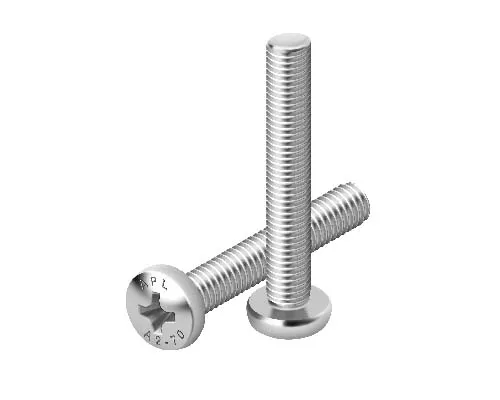
PAN PHILIPS HEAD MACHINE SCREW
View Details
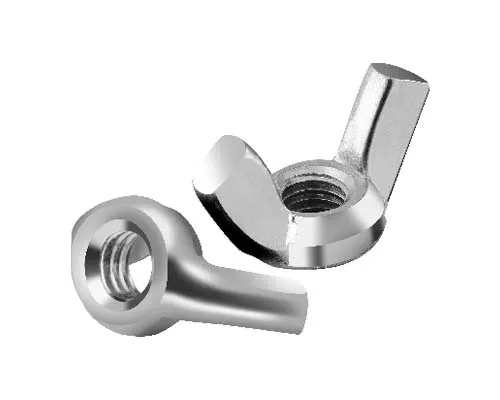
WING NUT
View Details

HEX FLANGE NUT
View Details

DOME NUT
View Details
HEAVY HEX NUT
View Details

HEX LOCK NUT
View Details

HEX NYLOCK NUT
View Details
HEX NUT
View Details
U BOLT
View Details

THREADED STUD - BOTH SIDE
View Details

HEX HEAD BOLT - BOTTOM SLOTTED
View Details
HEX HEAD BOLT WITH HOLE
View Details

HEX HEAD BOLT POINTED
View Details

HEX HEAD SEMS SCREW
View Details

MUSHROOM HEAD SQUARE NECK BOLT
View Details

HEX HEAD BOLT HALF THREAD
View Details

SOCKET HEAD ALLEN CAP SCREW
View Details

HEX HEAD SCREW
View Details

Countersunk Head Screws
View Details

Wafer Head Screws
View Details

Pan Head Screws
View Details

Aluminium Blind Rivets
View Details
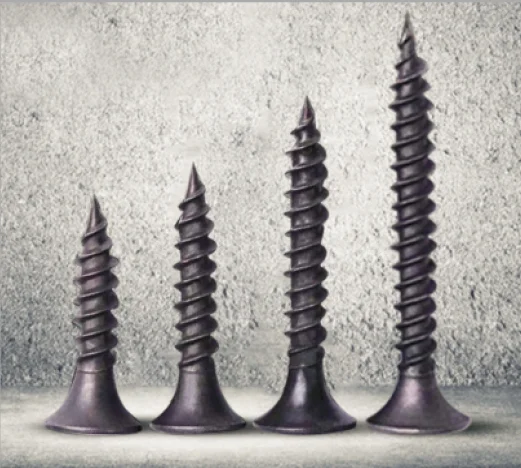
SM Dry Wall Screws
View Details
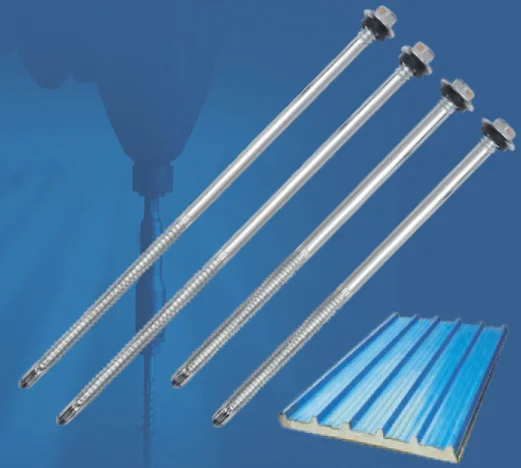
Screws for PUF Panels
View Details

Self Drilling Screws For Hot Rolled Purlins
View Details
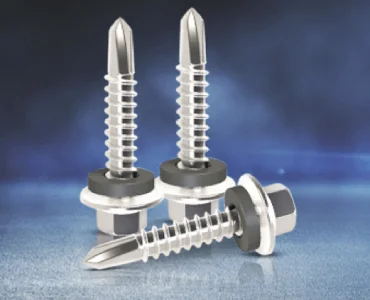
Self Drilling Screws For Cold Rolled Purlins
View Details
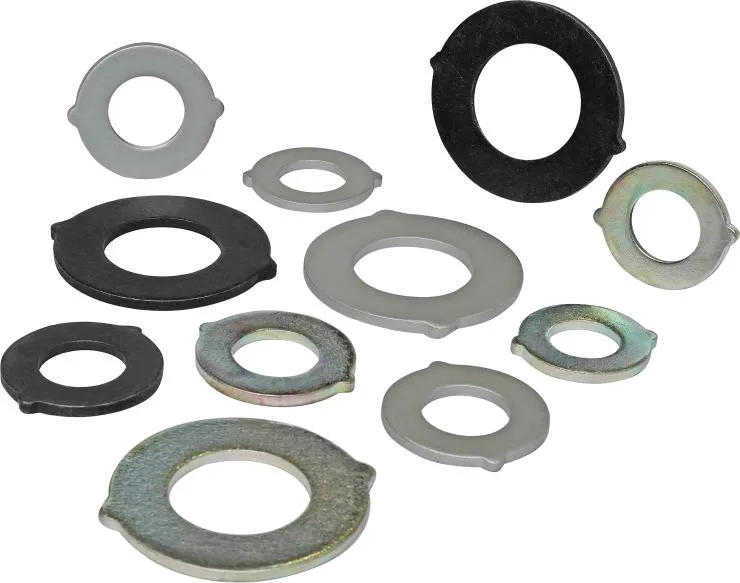
HSFG WASHER
View Details
HSFG NUTS
View Details
HSFG BOLT
View Details
Stud
View Details
Square Head Screw & Bolt
View Details

Flange Nuts
View Details
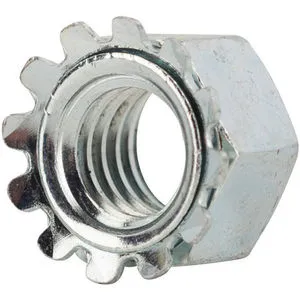
Lock Nuts
View Details
Nylon Insert Nuts
View Details
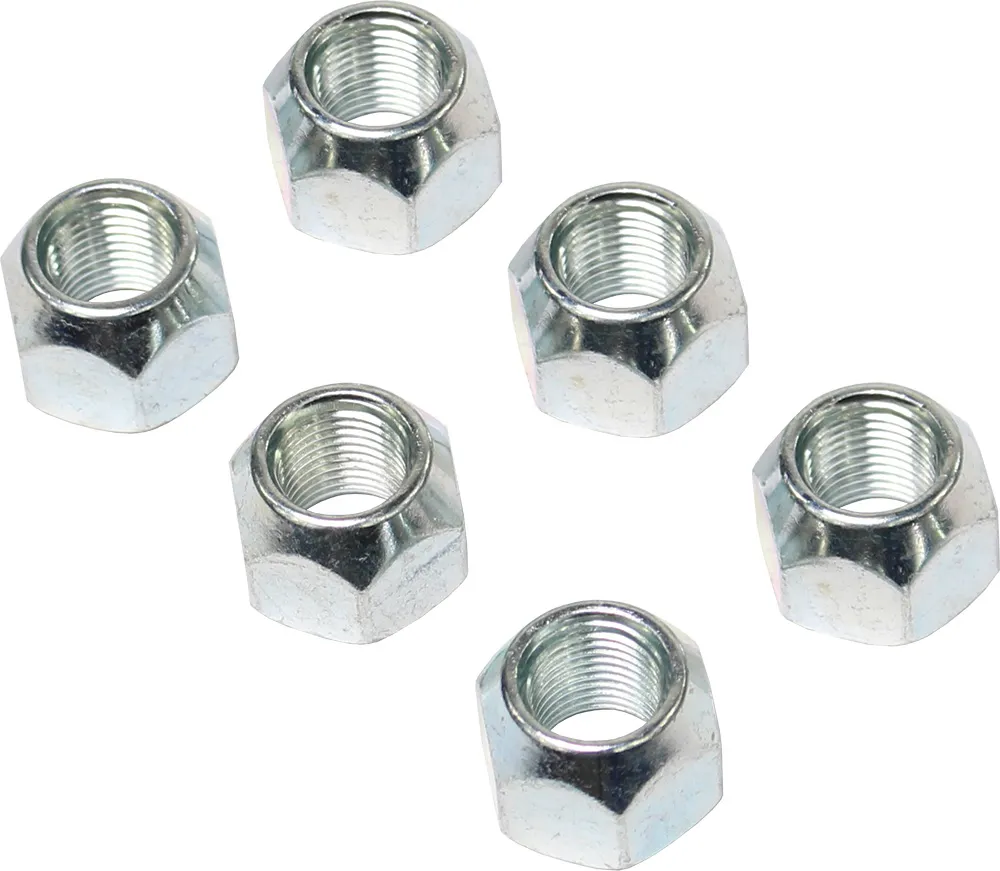
Wheel Nuts
View Details
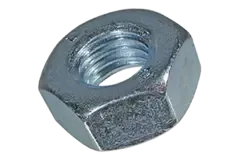
Hex Nuts
View Details

Hex Socket C'sk Head Screw & Bolt
View Details
Dowel Pin
View Details

Standard Hex Head Bolts
View Details

Socket Head Cap Screw
View Details
Flange Bolts & Screws
View Details
Collar Bolts & Screws
View Details

Square Neck Bolts
View Details

Hex Flange Screw
View Details

Transmission Bolts
View Details

Double-end Studs
View Details
Chat With Us