


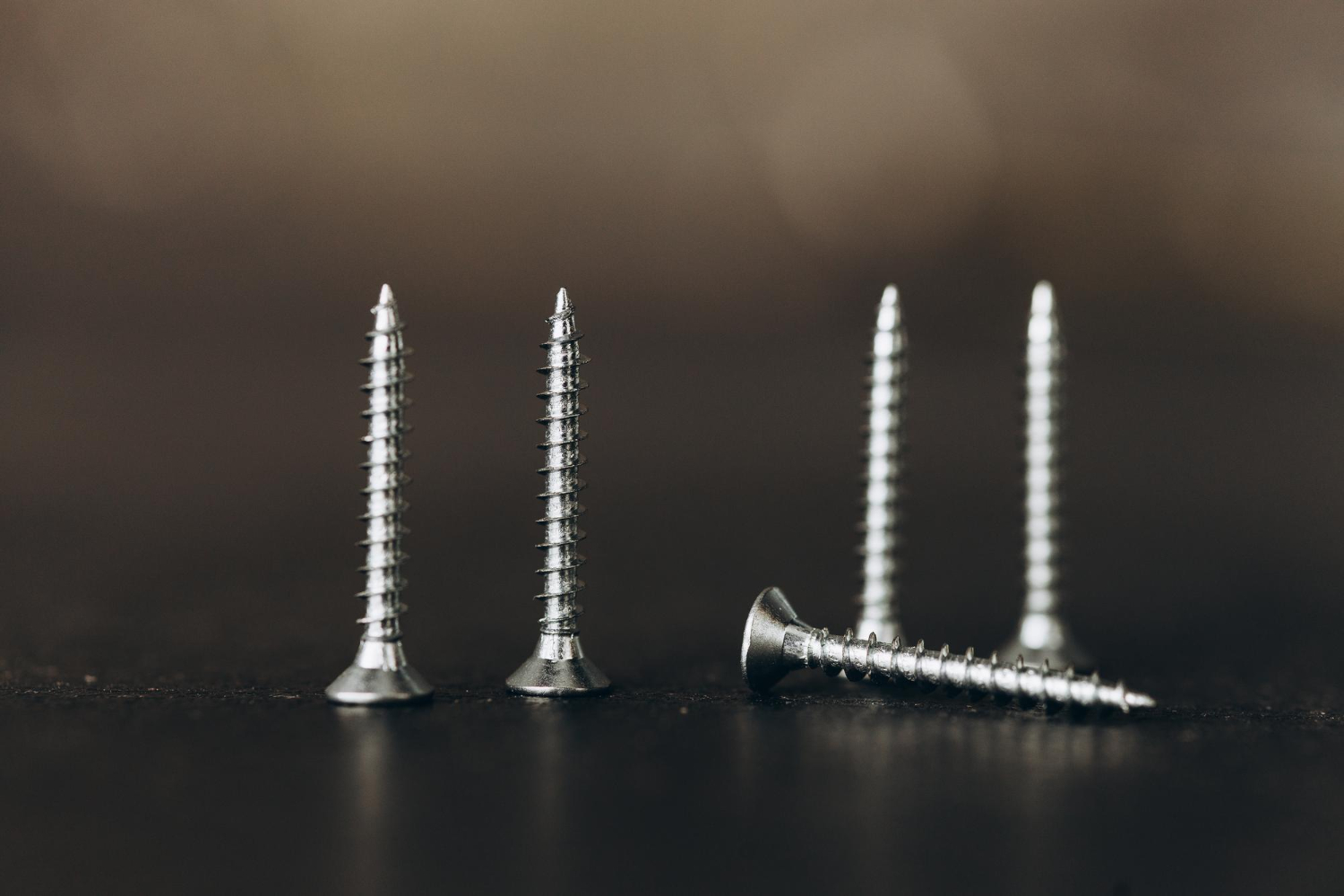
What Is a Self Tapping Screw? Types, Uses, Sizes & Installation Guide
Most people don't think much about screws until something goes wrong. But in construction and fabrication, the fastener you choose can be the difference between a joint that holds for decades and one that fails under pressure. Self tapping screws are one of those small components that quietly do a lot of heavy lifting across industries.
Whether you're working in metal fabrication, HVAC installation, or general construction, understanding what these screws do, how they're measured, and which type fits your application will save you time, money, and a fair bit of rework.
What Is a Self Tapping Screw?
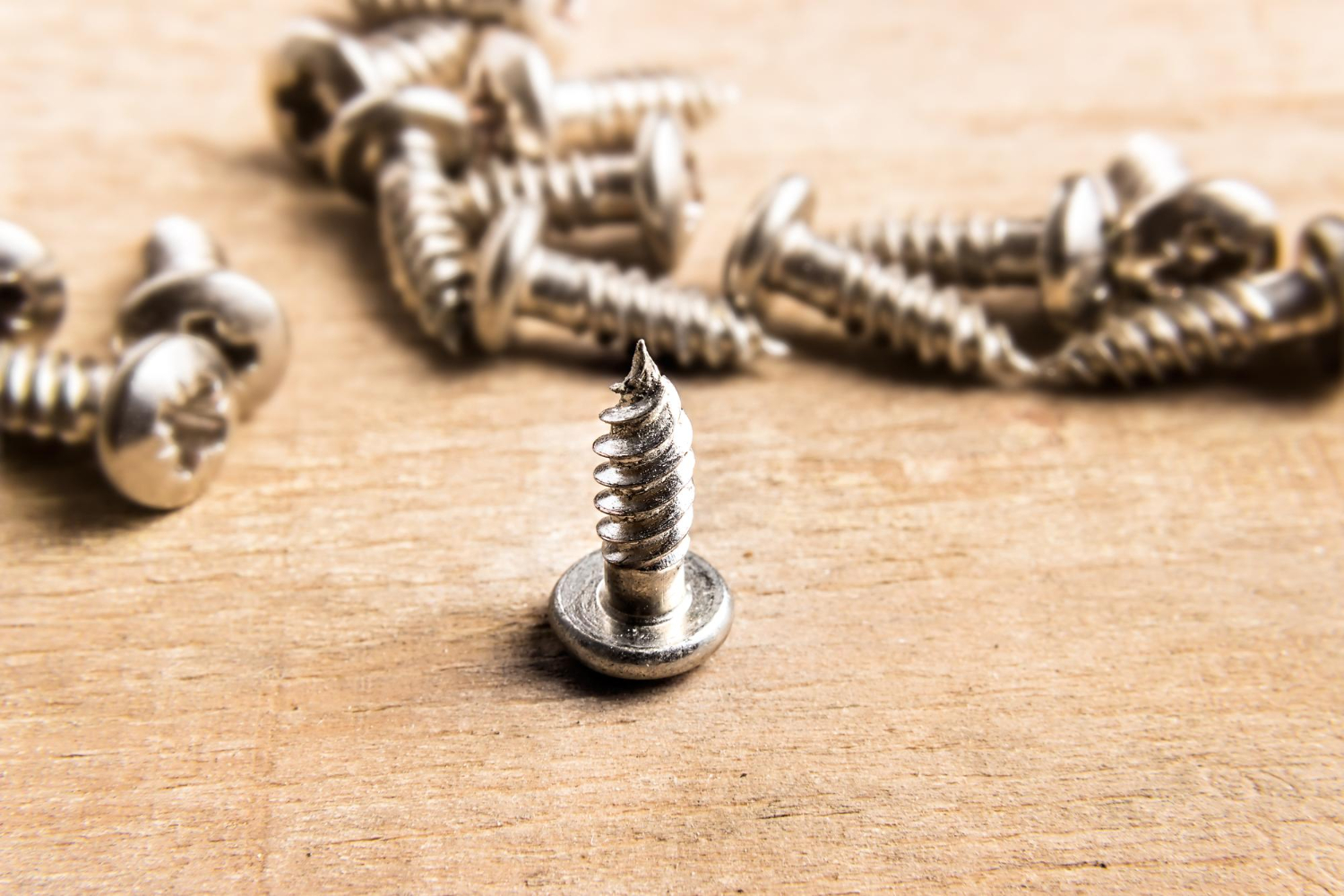
A self tapping screw is a fastener engineered to create its own mating thread as it's driven into a material, eliminating the need for a pre-tapped hole in most applications. Unlike standard screws that rely on existing threads, self tapping screws are designed with a hardened, precisely angled tip and thread geometry that cuts or forms a path directly into the substrate. This makes them especially useful when speed, efficiency, and a clean finish all matter on the same job.
How Does a Self Tapping Screw Work?
As the screw is driven in, the tip either cuts away material or displaces it outward, depending on the screw type. The threads then lock into the material as the screw advances, creating a firm mechanical connection without any pre-threading step.
The process is straightforward, but getting it right depends on matching the screw to the material. Driving a self tapping screw into material that's too thick or too hard without a pilot hole can strip the thread or stall the fastener. A correctly sized pilot hole, when required, ensures clean thread formation and a secure hold.
Types of Self Tapping Screws
There's no single self tapping screw that works for every job. Depending on the material, the load, and the application, the right choice can vary quite a bit. Here's a breakdown of the most common types of self tapping screws you'll encounter.
Thread-Cutting Self-Tapping Screws
These screws have a sharp, fluted tip that removes material as they're driven in, forming a clean thread path. They're best suited for harder materials like metal and rigid plastics where displacing material isn't practical.
Thread-Forming Self-Tapping Screws
Instead of cutting, these screws displace the material around them to create threads. This means no swarf or debris, and the resulting thread tends to be tighter and more resistant to vibration loosening.
Type AB Screws
Type AB screws combine a coarse, widely spaced thread with a sharp, gimlet point. They work well in thin metal, wood, and composite materials, offering versatility across a range of substrates.
Pan Head Self-Tapping Screws
Pan head screws have a rounded, low-profile head with a flat bearing surface that distributes load evenly. They're commonly used in applications where a flush or near-flush finish is needed alongside good pull resistance.
Countersunk Self-Tapping Screws
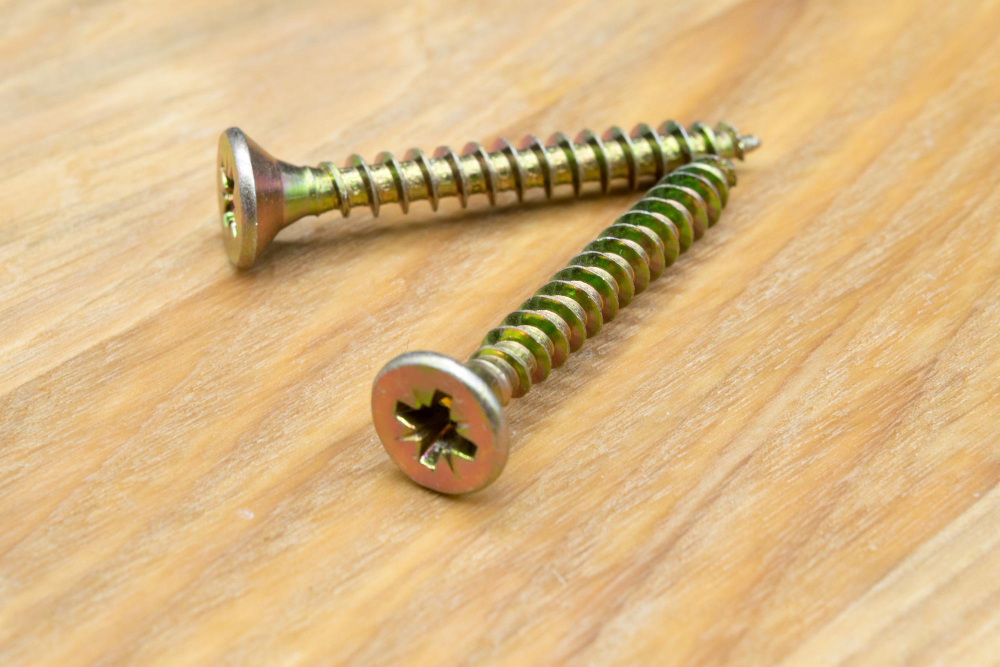
Designed to sit flush with or below the surface, countersunk screws are used wherever protrusion would be a problem. They're a go-to for sheet metal work and interior panel applications.
Hex Head Self-Tapping Screws
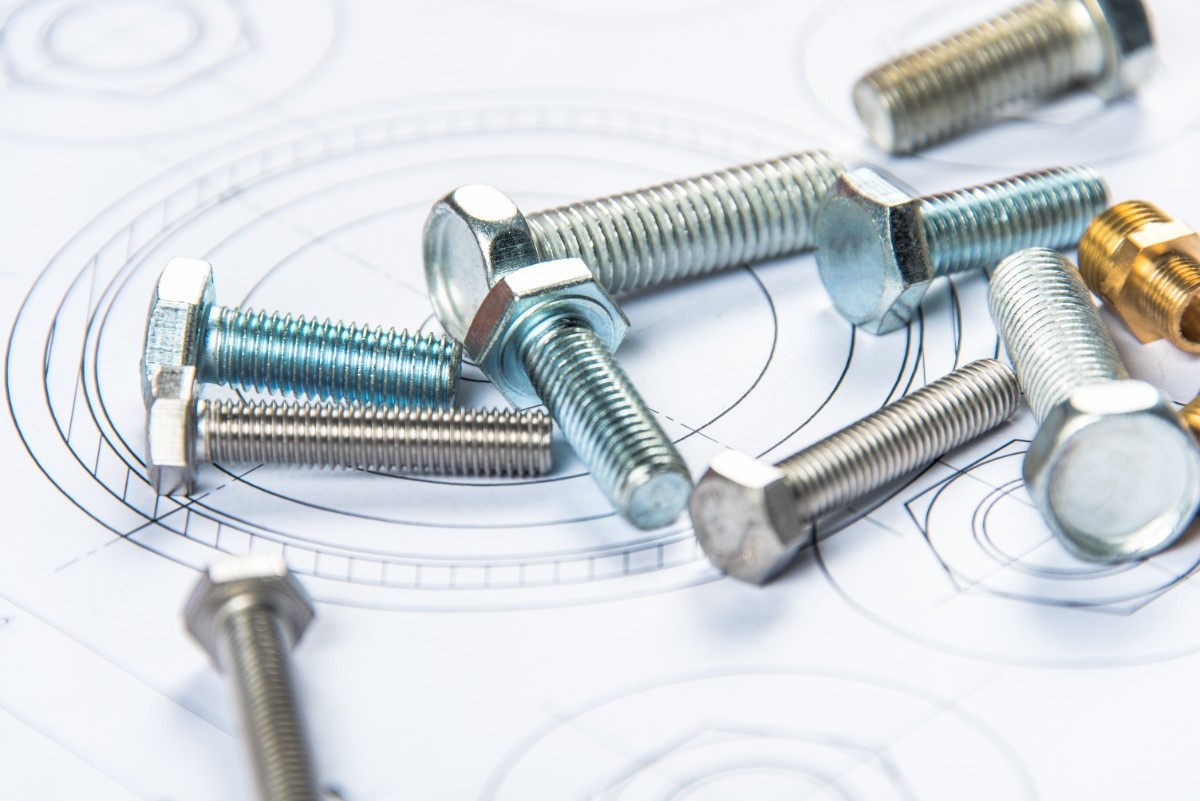
Hex head screws are built for applications requiring higher torque and a stronger drive. The six-sided head allows for wrench or impact driver use, making them a standard choice in structural and outdoor metal work.
How to Measure Self Tapping Screws
Measuring self tapping screws correctly comes down to four things: length, diameter, thread pitch, and head type. Length is measured from the underside of the head to the tip for most head types, though countersunk screws are measured from the top of the head. Diameter is typically expressed as a gauge number or in millimetres, and thread pitch indicates how many threads per unit length. Always account for all four factors before ordering, because even a slight mismatch can compromise the joint.
Applications of Self Tapping Screws
Self tapping screws are used across a wide range of industries precisely because they reduce installation steps and deliver secure fastening without specialized tooling. Here's where they're most commonly found.
Construction
From steel framing to cladding and facade systems, self tapping screws are a staple on construction sites. They allow for fast assembly of metal structures without the need for pre-drilled and tapped holes, keeping projects on schedule.
Metal Fabrication
In metal fabrication workshops, these screws are used to join sheet metal panels, enclosures, and frames. Their ability to cut or form threads on the spot makes them far more efficient than traditional bolt-and-nut assemblies in many situations.
Automotive
Automotive assembly lines use self tapping screws extensively for attaching trim, panels, and under-hood components. The speed and consistency they offer are essential in high-volume production environments.
HVAC Systems
HVAC ductwork relies heavily on self tapping screws to connect sections of sheet metal ducting. They create airtight joints quickly and are easy to inspect or disassemble when servicing is needed.
Industrial Uses
Across manufacturing equipment, electrical enclosures, and machinery assembly, self tapping screws provide secure fastening in environments where vibration, thermal cycling, and repeated disassembly are common challenges.
How to Remove Self Tapping Screws
Removing a self tapping screw is generally straightforward if the screw hasn't been over-driven or corroded into place. Use the correct driver bit that fits the head precisely, since a loose or worn bit will strip the recess and make removal much harder. Apply firm, steady pressure while backing the screw out slowly.
For screws that are stuck due to rust or paint, a penetrating oil applied 15 to 20 minutes before removal will help loosen the grip. If the head is stripped beyond salvage, a screw extractor set is your best option. Avoid forcing a stripped screw, as this can damage the surrounding material and make the repair significantly more complicated.
Choosing the Right Self Tapping Screws
Getting the screw selection right upfront prevents rework and ensures the joint performs the way it should. Keep these factors in mind before you order.
Material
Match the screw material to both the substrate and the environment. Carbon steel works for most indoor applications, while stainless steel is the better call for anything exposed to moisture or corrosive conditions.
Coating
Coatings like zinc plating or Dacromet extend the service life of a screw, particularly outdoors. The harsher the environment, the more protection the coating needs to provide.
Size
Both the diameter and length need to be right. A screw that's too short won't engage enough threads to hold properly, and one that's too long risks breaking through the back of the material or causing structural interference.
Application Considerations
Think about the load type, whether it's shear, tension, or a combination, and whether the joint will need to be disassembled later. These factors influence head type, thread form, and whether a pilot hole is advisable.
Why Choose a Reliable Self Tapping Screw Supplier?
The quality of a fastener matters more than most people realize until something fails. A screw that's out of spec, incorrectly heat-treated, or improperly coated can compromise an entire assembly. Working with a self tapping screw supplier who maintains strict quality standards and can provide consistent supply across order volumes gives you confidence in every joint on the job.
At Genuine Enterprises, we're committed to strengthening our supply capabilities, improving our service continuously, and delivering hardware solutions that meet the demands of serious construction and fabrication work. As a leading self tapping screw supplier in India focused on efficiency and consistent quality, we stock a comprehensive range of fasteners to meet both standard specifications and project-specific requirements. When you need a supply you can count on, we're built for that.
Conclusion
Self-tapping screws are one of the most versatile fasteners in construction and fabrication, but they work best when you choose the right type, size, and material for the job. Understanding the difference between thread-cutting and thread-forming designs, knowing how to measure correctly, and selecting the appropriate coating for the environment will make a real difference in the performance of your assemblies.
If you're looking for a self tapping screw supplier in India with the range, quality, and supply consistency your projects demand, Genuine Enterprises is ready to help. Explore our fastening solutions onour website and get the right hardware into your hands without the guesswork.
FAQs
1. What is a self tapping screw used for?
Self tapping screws are used to fasten materials together without needing a pre-tapped hole. They're common in construction, metal fabrication, HVAC systems, automotive assembly, and a range of industrial applications where fast, secure fastening is required.
2. How does a self tapping screw work?
As the screw is driven into the material, its tip either cuts or displaces the substrate to form threads. These threads then lock the screw in place, creating a firm mechanical joint without any pre-threading.
3. How do you measure a self tapping screw?
You measure by length (from under the head to the tip), diameter (gauge or millimetres), thread pitch (threads per unit length), and head type. All four dimensions should match the requirements of your specific application.
4. Can self tapping screws be removed and reused?
They can be removed, but reuse is generally not advisable. Repeated removal and reinsertion degrades the threads formed in the material, which weakens the joint. In critical applications, it's better to use a fresh screw in a new location.
5. Where can I find a reliable self tapping screw supplier in India?
Genuine Enterprises is a self tapping screw supplier in India offering a wide range of fasteners for construction, fabrication, and industrial use.
Categories
Related Blogs
Leave a Comment
Your email address will not be published. Required fields are marked *