


Self-Drilling vs Self-Tapping Screws: What's the Actual Difference?
If you have ever grabbed a screw from a box and assumed all screws work the same way, you are not alone. The terms "self-drilling" and "self-tapping" get used interchangeably all the time, even by people who work with fasteners regularly. But they are not the same thing, and using the wrong one on a job can mean stripped holes, weak joints, or a lot of unnecessary rework.
Understanding the distinction is not complicated once you see it laid out clearly. Whether you are a contractor working on a steel structure, a fabricator dealing with sheet metal, or someone handling a weekend project at home, knowing which screw does what will save you time and frustration. Let us walk through it.
What Is a Self-Drilling Screw?
A self-drilling screw has a tip that looks like a drill bit, because that is exactly what it functions as. When you drive it in, the tip first drills through the material to create a hole, then taps its own thread, and then fastens, all in a single step, with no pre-drilling required. This makes it a go-to choice for metal-to-metal fastening and metal-to-wood applications in construction and roofing.
When it comes to self drilling screw sizes, they typically range from #6 to #14, with the drill point number (often referred to as a "Tek" number) indicating how thick a material the screw can drill through without needing a pilot hole. Smaller point numbers suit thinner sheet metal, while larger ones handle heavier gauge steel and structural applications. You will most commonly find them used in cladding, HVAC ductwork, steel framing, and roofing panels.
What Is a Self-Tapping Screw?
A self-tapping screw is designed to cut or form its own thread as it is driven into a pre-drilled pilot hole. It does not drill its own hole. The pilot hole must already be there, sized appropriately for the screw's thread to grip without splitting or stripping the material. What sets self-tapping screws apart is their ability to create clean, precise threads in materials like metal, plastic, wood, and composite panels, making them a versatile choice across a wide range of applications.
Unlike self-drilling screws, they rely entirely on the thread-cutting action of their tip and shank to hold the joint together, which is why the pilot hole sizing matters so much when you are figuring out how to use self-tapping screws correctly. Get the hole too large, and the screw has nothing solid to grip. Too small, and you risk cracking the material or snapping the screw.
Key Differences Between Self-Drilling and Self-Tapping Screws
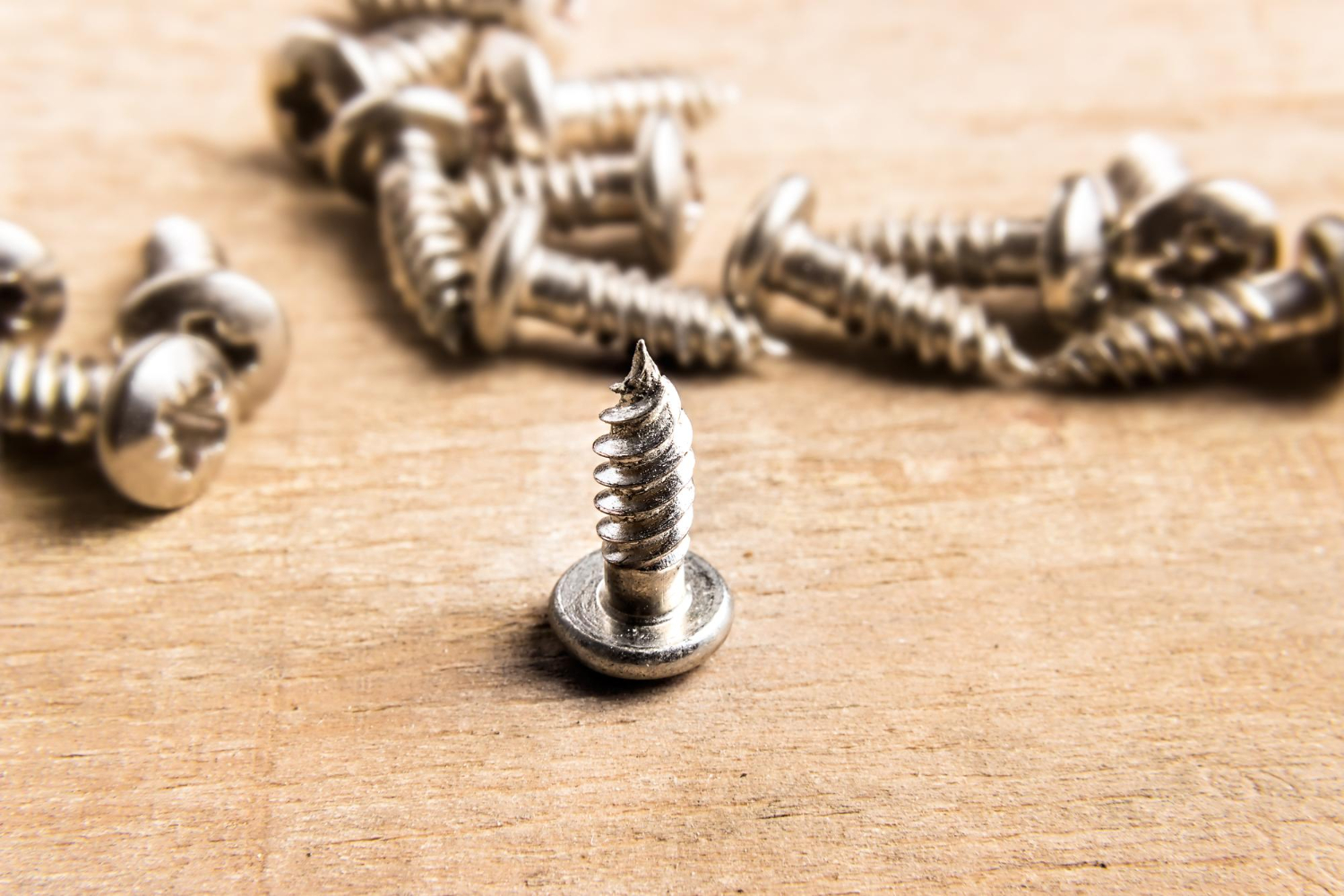
The confusion between these two types is understandable. From a distance, they can look nearly identical. But the tip of the screw tells you everything you need to know. A self-drilling screw has a pointed, fluted drill bit tip, while a self-tapping screw typically has a sharper, tapered point without that drill bit geometry.
Getting clear on which one suits your application is not just about convenience. It affects the integrity of the joint, the time it takes to complete the work, and whether the fastener holds up over time.
When comparing self drilling screws vs self tapping, the differences come down to three key areas:
Drilling vs Tapping Mechanism
A self-drilling screw combines three actions into one: it drills a hole, taps the thread, and fastens, all without stopping. A self-tapping screw only handles the threading and fastening. It cannot create its own hole, so a pilot hole is a non-negotiable first step. This mechanical difference is what makes self-drilling screws faster for field work on metals, while self-tapping screws give you more control in precision applications where the pilot hole can be sized exactly right.
Material and Application Differences
Self-drilling screws are designed primarily for metal-to-metal and metal-to-timber applications. Their hardened drill point needs to withstand the friction of cutting through steel or aluminium, so they are typically made from carbon steel with a zinc or corrosion-resistant coating. Self-tapping screws, on the other hand, work across a broader range of materials including wood, plastic, fibreglass, and softer metals. Because they do not need to drill, the tip geometry is optimised purely for thread formation rather than material removal.
Practical Examples
On a roofing job where steel purlins need to be fastened to a steel frame, a self-drilling screw is the right call. No pre-drilling, fast installation, and the drill point handles the steel with ease. In contrast, if you are assembling aluminium enclosures in a manufacturing setting where threads need to be precise and repeatable, a self-tapping screw driven into a correctly sized pilot hole gives you a cleaner, more controlled result. Both have their strengths, and the application is what determines the right choice.
When to Use Which Screw
For metal construction, steel roofing, HVAC systems, and structural steel framing, self-drilling screws are almost always the better option. The fact that they eliminate the pre-drilling step speeds up the work considerably, especially when you are covering large surface areas or working at height where drilling and fastening separately becomes awkward and slow. Knowing how to use self drilling screws properly means matching the drill point number to the material thickness, using the right driver speed, and not over-driving them, which can strip the thread or crack the material around the hole.
Self-tapping screws are the right choice when precision matters more than speed, or when you are working with materials that self-drilling screws are not designed for, such as wood, plastic, or thinner non-ferrous metals. They are also preferred in situations where the assembly needs to be taken apart and reassembled, since the pre-drilled pilot hole keeps the threads clean and consistent through multiple uses. For DIY projects involving furniture, cabinetry, or plastic enclosures, self-tapping screws with the correct pilot hole give you a neat, strong finish without the risk of cracking or splitting.
Conclusion
To put it plainly, self-drilling screws do the drilling and the fastening in one go, while self-tapping screws thread into a pilot hole you have already made. Both are excellent fasteners when used in the right context. The mistake is treating them as interchangeable, because the wrong choice can compromise the joint, damage the material, or simply make the job harder than it needs to be.
At Genuine Enterprise, we supply a wide range of screws, fasteners, and construction hardware for contractors, fabricators, and industrial buyers across India. Our commitment is to quality and consistency in every product we deliver, along with honest guidance to help you get the right hardware for the job.
FAQs
- What is a self-drilling screw?
A self-drilling screw has a drill-bit-shaped tip that allows it to drill its own hole, tap its own thread, and fasten all in a single action. No pilot hole is required. It is widely used in steel framing, roofing, and sheet metal applications where speed and efficiency matter.
- What is a self-tapping screw?
A self-tapping screw cuts or forms its own thread as it is driven into a pre-drilled pilot hole. It cannot create its own hole but is excellent at forming clean, strong threads in materials like metal, plastic, and wood once the correct pilot hole is in place.
- How to use self-drilling screws?
Match the drill point number on the screw to the thickness of the material you are fastening. Use a power driver set to a moderate speed to avoid overheating the drill point. Drive the screw straight and stop as soon as the head seats flush. Over-driving will strip the thread or distort the material around the hole.
- How do I know what size self-drilling screw to use?
Self drilling screw sizes are determined by the screw's gauge (diameter), length, and the drill point number. The drill point number tells you the maximum steel thickness the screw can drill through unaided. For example, a #2 point handles up to around 0.5mm steel, while a #5 point can handle up to 12mm. Match the point to your material thickness and the gauge to your load requirements.
- Can self-tapping screws be used without a pilot hole?
In very soft materials like thin plastic or balsa wood, some self-tapping screws can manage without a pilot hole. But in most materials, including hardwood, metal, and composites, skipping the pilot hole is a mistake. It risks cracking the material, stripping the screw, or creating an uneven thread that will not hold well over time.
- Are self-drilling screws stronger than self-tapping screws?
Strength depends on the application, the material, and the screw grade, not just the type. In metal-to-metal applications, self-drilling screws are well-suited for the loads involved. In precision-threaded assemblies using self-tapping screws in properly sized pilot holes, the holding strength can be equally strong or better. Choosing the right type for the application is what determines performance.
Categories
Related Blogs
Leave a Comment
Your email address will not be published. Required fields are marked *