


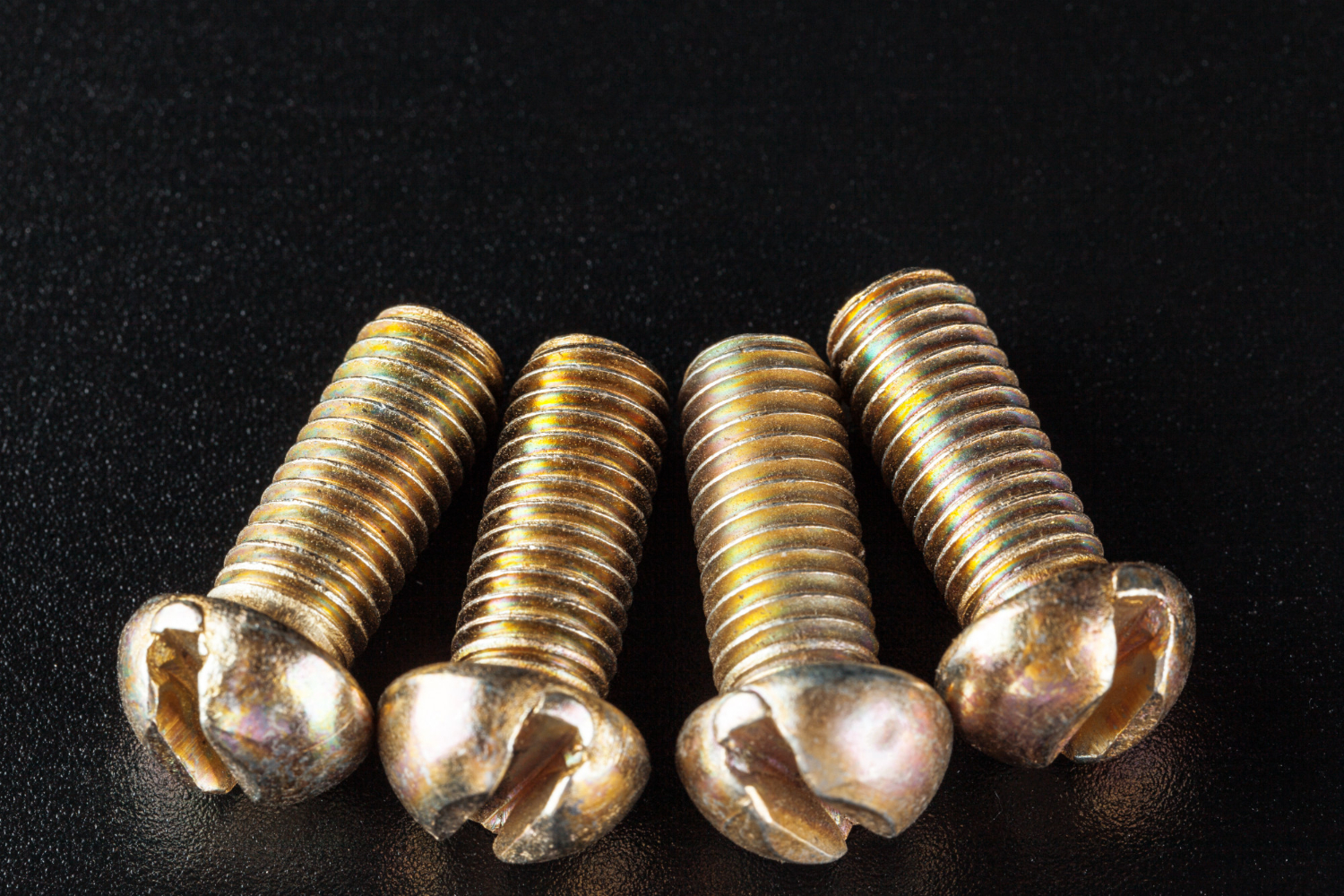
What Is a Grub Screw and Where Is It Actually Used?
Most fasteners make their presence known. A bolt head sits proudly on a surface. A screw leaves a visible cross or hex recess staring back at you. But a grub screw? You often do not even know it is there. It sits completely flush inside the material, invisible from the outside, quietly doing exactly what it is supposed to do. That understated design is not a limitation. It is the whole point.
Grub screws are one of those components that go unnoticed until something goes wrong. A pulley slips on a shaft, a coupling works itself loose, or a collar shifts out of position, and suddenly everyone is looking for the tiny, headless fastener that was supposed to hold everything in place. Understanding what a grub screw is, where it is used, and how to work with it properly is more useful than it might seem.
What Is a Grub Screw?
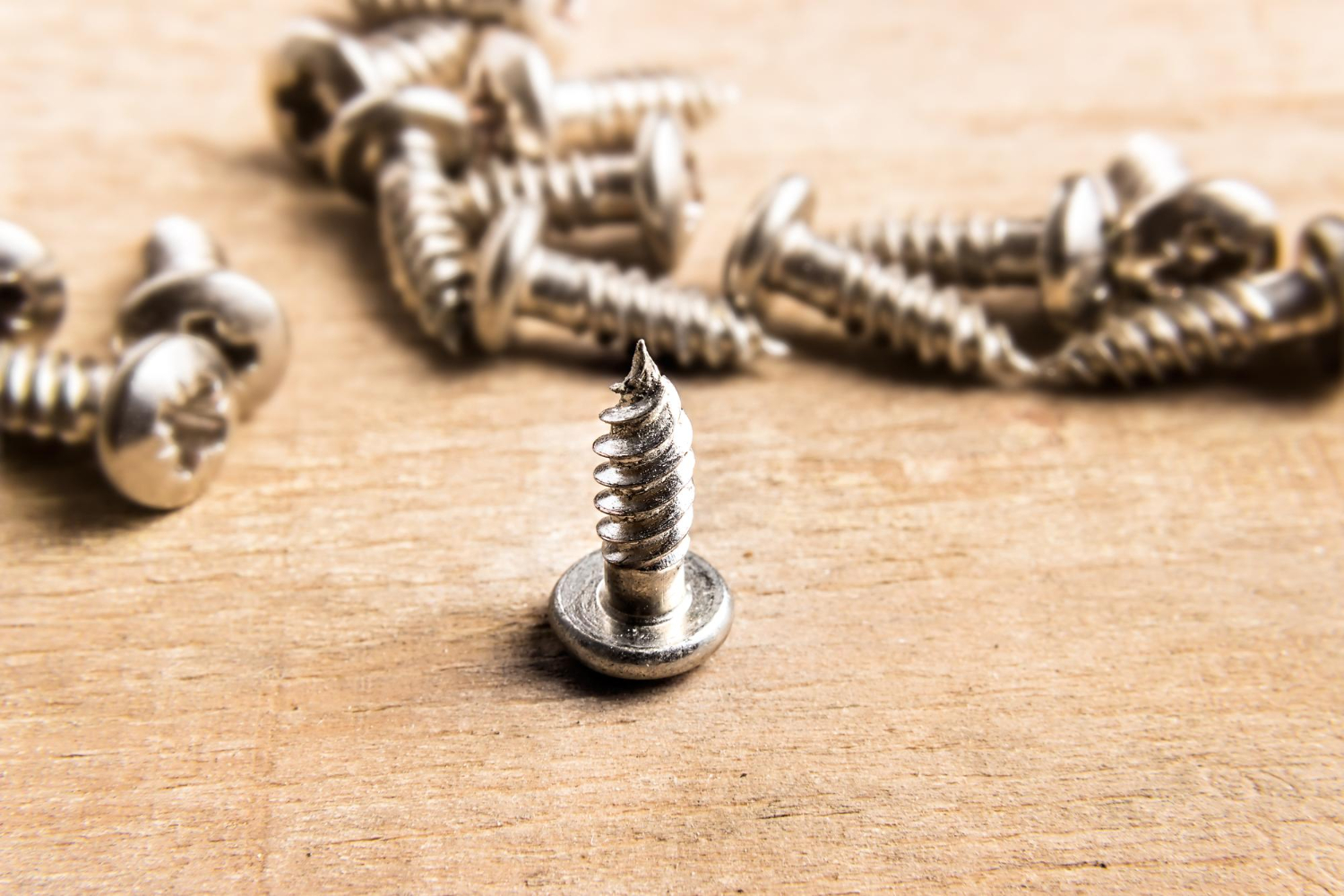
A grub screw is a fully threaded, headless fastener with a recessed drive socket, usually a hex (Allen) socket or a slot, cut directly into the top of its cylindrical body. Because it has no protruding head, it can be driven completely below or flush with the surface of the material it is installed in, leaving nothing to catch, snag, or obstruct nearby components. This flush-sitting design makes it especially suited to applications in tight or rotating assemblies where a standard bolt or screw would simply get in the way.
Grub screws are most commonly made from stainless steel, which offers good corrosion resistance for general and exposed applications, or from alloy steel, which is used when higher tensile strength and hardness are required. The tip of the screw can also vary, cup point, flat point, cone point, and dog point are all common, each designed to apply force in slightly different ways depending on what the screw needs to grip or locate against.
Where Is a Grub Screw Used?
It is used in far more places than most people realise. Their most common home is in rotating machinery, where they secure components like pulleys, gears, sprockets, and shaft collars to shafts without the screw head interfering with rotation or nearby parts. You will also find them in shaft couplings, where they lock two connected shaft ends in place and prevent relative movement under torque.
Beyond rotating assemblies, grub screws are used in furniture fittings to fix legs or frames in position, in door and window hardware, in musical instruments to adjust and lock components, and in electronics enclosures where a clean, flush surface matters. Wherever a component needs to be held firmly in place without any visible or protruding fastener, a grub screw is usually the answer.
How to Measure a Grub Screw
Measuring a grub screw is straightforward once you know what to look for. The two key dimensions are diameter and length. The diameter refers to the outer thread diameter of the screw's body and is measured across the widest part of the thread using a calliper. The length is measured as the full length of the screw from one flat end to the other, since there is no head to complicate things.
Grub screws follow standard metric or imperial thread specifications, so once you have the diameter and length, cross-referencing against standard thread pitches such as M3, M4, M5, M6, or M8 will confirm the exact size you need. If you are replacing an existing screw, the safest approach is always to bring the old one along or measure it directly rather than estimating, since even a half-millimetre difference in thread pitch can make the fastener completely unusable.
How to Remove a Grub Screw
Knowing how to remove a grub screw properly saves a lot of frustration, because forcing it rarely ends well. Start by identifying the drive type, most grub screws use a hex (Allen key) socket, though some use a flat blade or Torx drive. Use the correct size key or driver because an ill-fitting tool will round off the socket and make removal significantly harder. If the screw has been in place for a long time, corrosion or thread-locking compound may have bonded it in position.
In those cases, applying a penetrating oil and allowing it to soak for several minutes before attempting removal gives the fastener a much better chance of coming out cleanly. Turn counterclockwise with steady, controlled force. If the socket is already partially stripped, a screw extractor bit or a rubber band placed over the socket can sometimes provide enough additional grip to break it free without damaging the housing.
Where to Buy a Grub Screw
If you are sourcing grub screws for construction, manufacturing, or engineering applications in India, Genuine Enterprise is a supplier worth speaking to. We stock a range of fasteners, including grub screws in stainless steel and alloy steel variants, held to consistent quality standards across every batch. As an established grub screw supplier in India, we operate on a foundation of quality, transparency, and accountability, which means you get what you order, when you need it, without the usual supplier runaround.
Conclusion
Grub screws are one of those fasteners that do a lot of quiet, important work in assemblies across machinery, construction, and manufacturing. Their headless design is not a compromise. It is an engineering choice that makes them the right tool for applications where space is tight, surfaces need to stay clean, or rotating components need to be locked without obstruction. Getting the right size, using the right tip type, and installing or removing them with the correct tools makes all the difference in how well they perform.
Whether you are specifying grub screws for a new assembly or replacing worn-out hardware on existing equipment, taking a moment to understand the component properly saves time and prevents errors. And when it comes to sourcing quality fasteners in India, Genuine Enterprise stands out amongst the rest. Our consistency, integrity, and service make procurement straightforward rather than complicated.
FAQs
- What is a grub screw used for?
A grub screw is used to secure one component to another, typically a rotating part to a shaft, without any protruding head. Because it sits completely flush within the material, it is ideal for pulleys, couplings, shaft collars, gears, and any assembly where a smooth or unobstructed surface is needed. It applies clamping force through its tip rather than through a head like a conventional fastener.
- How to measure a grub screw?
Measure the outer thread diameter using a calliper across the widest part of the thread, and measure the full length from one flat end to the other. Then match those dimensions to a standard metric thread specification, such as M3, M4, M5, M6, or M8. If you are unsure of the thread pitch, a thread gauge will confirm it. Always measure the original screw directly rather than estimating from visual inspection.
- How to remove a grub screw safely?
Use the correct size hex key or driver for the socket type, never a close-enough substitute, as an ill-fitting tool will round the socket quickly. If the screw is seized from corrosion or thread-locking compound, apply penetrating oil and wait several minutes before applying steady counterclockwise pressure. If the socket has already rounded, a screw extractor bit or rubber band technique can help restore grip. Avoid excessive force, which risks damaging the threaded housing around the screw.
- What is the difference between a grub screw and a set screw?
The two terms are often used interchangeably and refer to the same type of fastener: a fully threaded, headless screw designed to secure components without a protruding head. "Set screw" is the more common term in North American usage, while "grub screw" is more commonly used in the UK, India, and other markets. Functionally, they are the same component.
- What tip types are available for grub screws, and how do I choose?
The most common tip types are cup point, flat point, cone point, and dog point. A cup point is the most widely used and bites firmly into the mating surface for strong holding. A flat point is gentler and used when the mating surface should not be damaged or marked. A cone point is used for permanent positioning where it seats into a drilled indent. A dog point has a small cylindrical extension that acts as a locating pin, useful when the screw also needs to align components positionally.
- Are grub screw suppliers in India able to supply in bulk for industrial projects?
Yes. Established grub screw suppliers in India like Genuine Enterprise supply fasteners in quantities suited to both small assemblies and large-scale industrial or construction procurement. If you are ordering in bulk, it is worth confirming material specifications, thread standards, and tip types with your supplier upfront to ensure the entire batch meets your project requirements consistently.
Categories
Related Blogs
Leave a Comment
Your email address will not be published. Required fields are marked *