


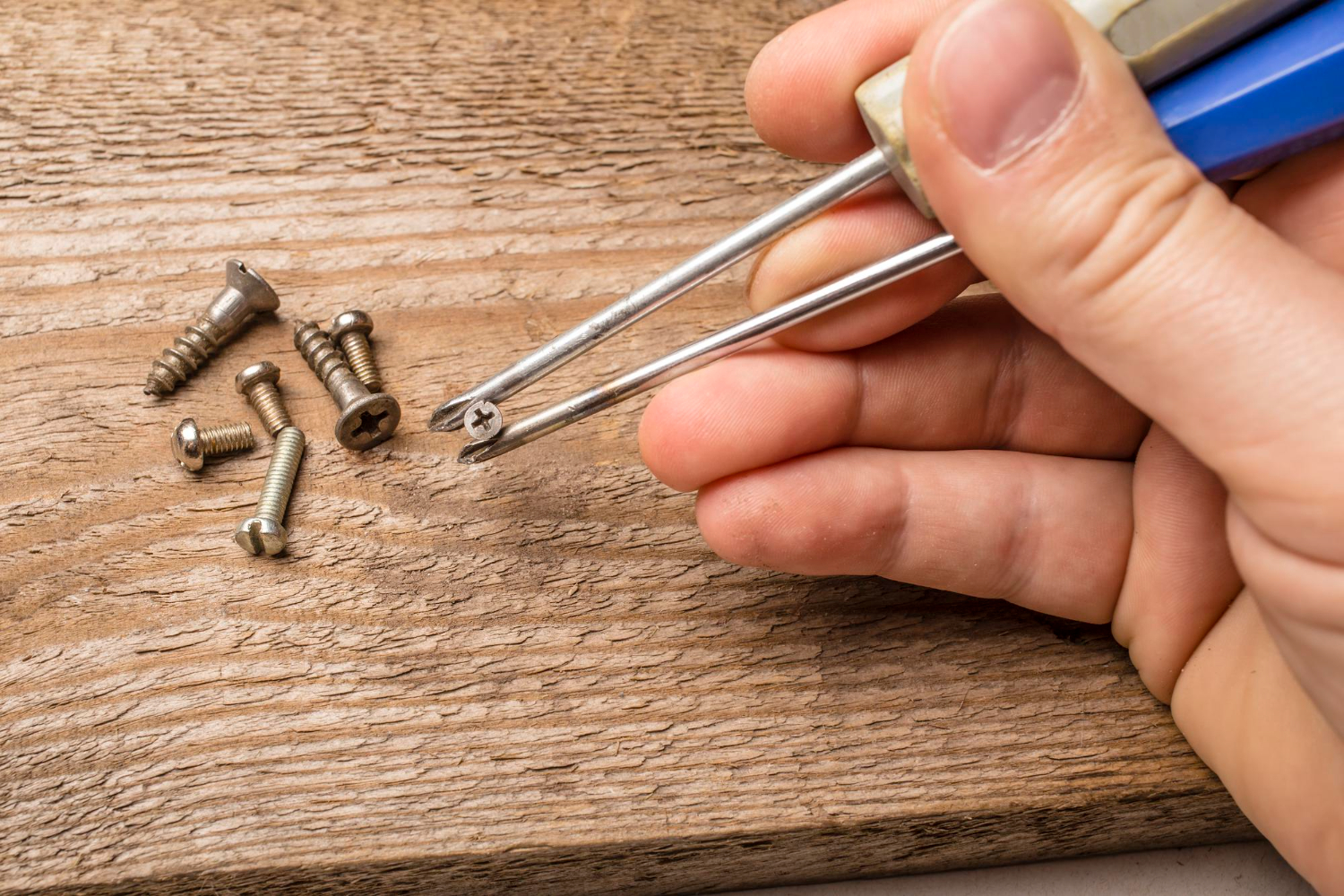
What Is a Fastener? Uses & How to Use It
Pick up almost anything built or assembled, from a steel frame to a kitchen cabinet, and you will find fasteners holding it together. They are small, easy to overlook and responsible for a great deal. A joint is only as steady as the piece that closes it.
This guide explains what a fastener is, the main types and where each one is used. You will also find clear advice on choosing and using fasteners, the materials they are made from and the problems worth avoiding.
What Is a Fastener and How Does It Work?
A fastener is a mechanical device that holds or joins two or more parts together. Some create joints that can be taken apart again, such as a nut and bolt, while others, like rivets, are meant to stay put.
Most fasteners work by clamping, gripping or locking the parts in place. A threaded fastener, for example, draws the parts together as it is tightened, and the resulting tension keeps the joint firm.
What Are the Different Types of Fasteners?
Fasteners come in a wide range of shapes and sizes, but most fall into a handful of families. Each family suits a different kind of joint, load and material.
Here are the five groups you will meet most often.
Bolts and Screws
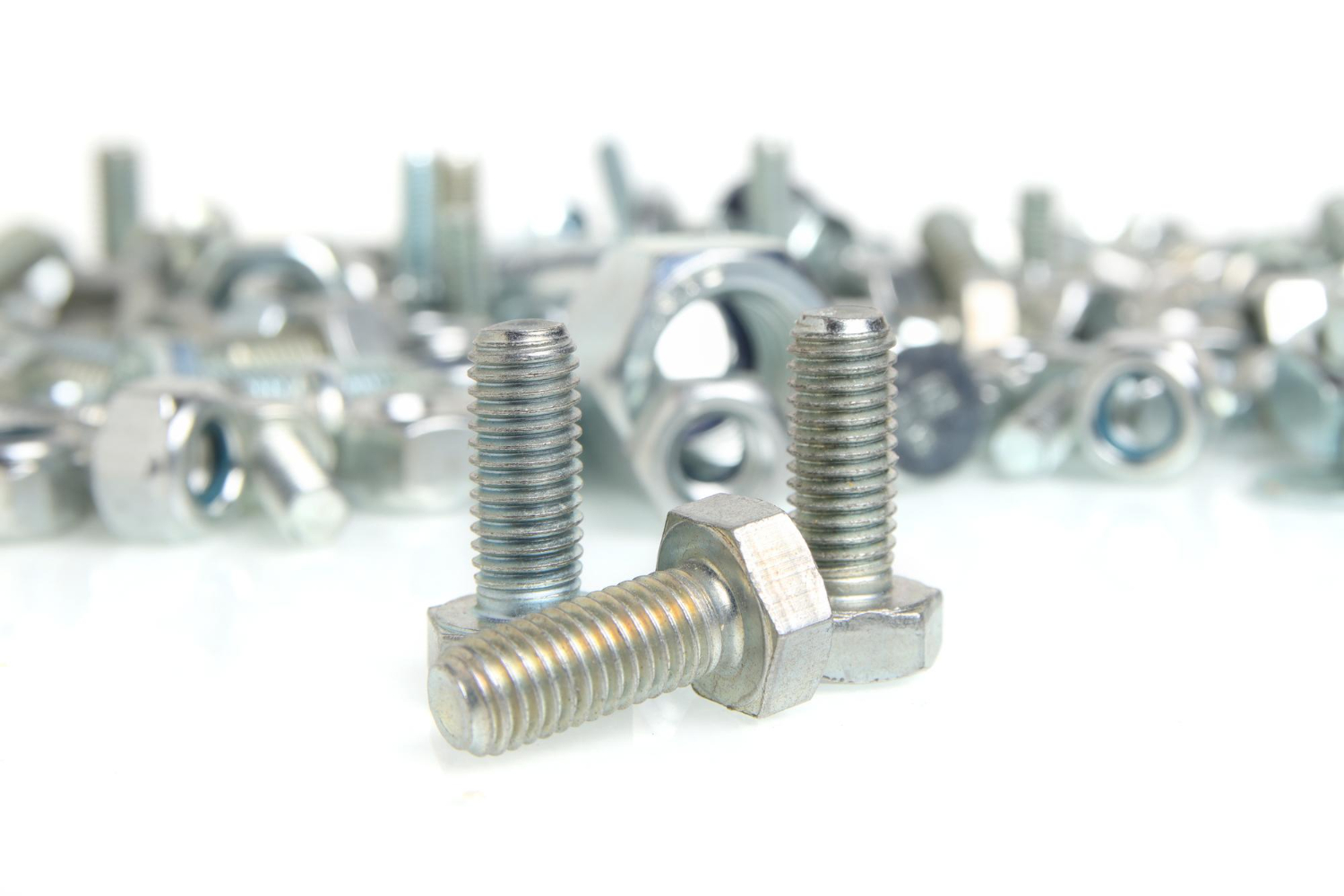
Both have a threaded shaft, and the difference lies mostly in how they are used. A bolt usually passes through a hole and is secured with a nut, while a screw typically threads into the material itself or a tapped hole.
Nuts and Washers
A nut screws onto a bolt, stud or threaded rod to close the joint. A washer sits beneath the nut or head to spread the load and protect the surface.
Rivets
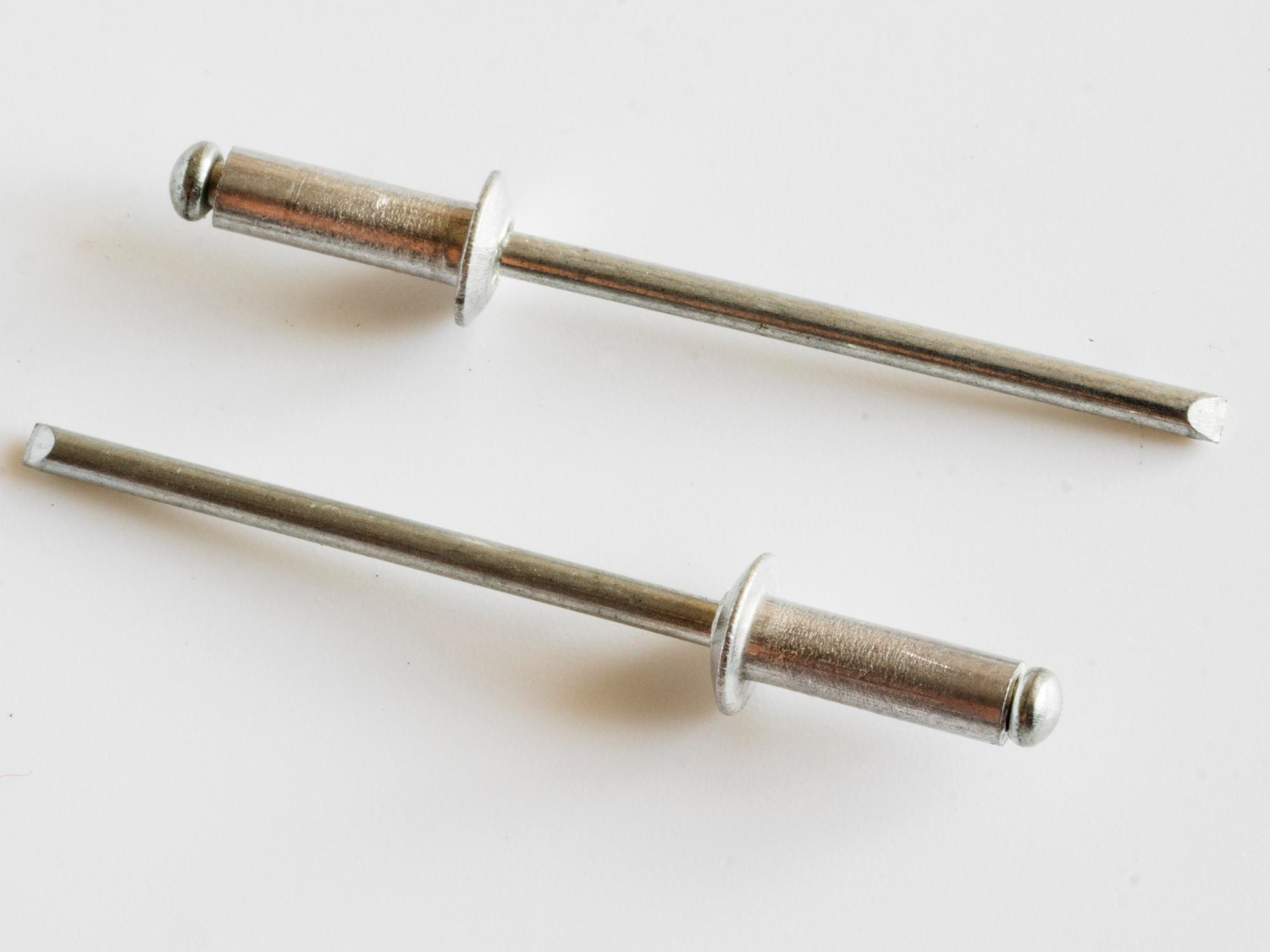
A rivet is a metal pin with a head on one end, fitted through aligned holes. Its tail is then deformed to lock the parts together, which creates a joint that is difficult to undo.
Studs and Threaded Rods
These are lengths of threaded metal without a conventional head. They are common where nuts need to be fitted at one or both ends, such as in flanges and equipment bases.
Anchors, Pins and Other Specialised Fasteners
Anchors fix items into concrete or masonry, while pins locate or lock moving parts in position. Clips, retaining rings and similar fasteners cover tasks that standard threaded products cannot handle.
What Are Fasteners Used For?
Fasteners join, secure and align parts, and they allow assemblies to be built, adjusted and taken apart when needed. A bolted joint can be opened for repairs, while a riveted one stays closed for good.
They also carry load. In a vehicle, a machine or a structure, fasteners transfer force between components, which is why the right size and strength matter as much as the part they hold.
What Are Fasteners Used for in Construction?
In construction, fasteners connect structural steel, fix base plates and anchor equipment to concrete. They also secure cladding, pipework, handrails, ducting and fittings, so you will find them from foundation level right up to the finishing stage.
How to Choose the Right Fastener for Your Application
Begin with the job the fastener has to do. Think about the load it will carry, the materials being joined and whether the joint must be removable. Then match the size, thread and head style to the parts, and pick a strength grade that suits the expected load.
Next, consider where it will live. Outdoor, damp or chemical-heavy settings call for materials and coatings that resist corrosion, and high temperatures may need a different grade altogether. Check the manufacturer's data or the project specification when the joint is critical.
How to Use Fasteners Correctly
Prepare the joint before you fasten it. Line up the holes, clean the threads and fit washers where they are needed. Keep the fastener straight as you start it, so the thread does not cross or strip.
Tighten gradually, and use a torque wrench where a specific value is given. Check that the head or nut sits flush, and look over the joint again after the first period of use, since vibration can loosen some fixings.
What Materials Are Fasteners Made From?
Most fasteners are made of steel, though other metals and plastics have their place. The material decides how strong a fastener is, how it handles moisture and how well it suits the setting.
Here are the common options.
- Carbon steel: Common in general-purpose and industrial fasteners, with properties depending on grade and finish.
- Alloy steel: Contains added elements that raise strength and toughness, so it suits heavily loaded joints.
- Stainless steel: Resists rust well, which makes it a frequent choice for outdoor, marine and damp environments.
- Brass: Resists corrosion and is non-magnetic, and it is often chosen for fittings and decorative work.
- Aluminium: Light in weight and corrosion resistant, which suits lighter-duty applications.
- Engineering plastics: Do not conduct electricity and resist chemicals, so they are used in specialised or light-load settings.
Common Fastener Problems and How to Avoid Them
Most fastener problems are easy to prevent. They usually come from a rushed choice or a skipped check.
Here are the four to watch for.
Incorrect fastener size
A fastener that is too short may not grip fully, while one that is too long can foul other parts. Check diameter and length against the joint before you start.
Mismatched threads
Metric and imperial threads, or coarse and fine pitches, do not mix. Forcing them together damages both parts, so confirm the thread type first.
Incorrect material selection
A fastener that suits one setting can corrode or weaken in another. Match the material and finish to the environment and the load.
Over-tightening
Excess torque can stretch a bolt, strip a thread or crack the part beneath it. Follow the torque value where one is given.
Conclusion
A fastener is a small part with a big job: it joins components and carries load. The right choice comes from knowing the types, the materials and the demands of the setting. Careful fitting then keeps the joint safe.
If you are looking for fasteners for your next project, Genuine Enterprises supplies them across India from its base in Kolkata. Our team is happy to help you match the right type, size and material to the job.
FAQs
- What is a fastener in simple terms?
A fastener is a piece of hardware that joins or holds parts together. It can be removable, like a bolt and nut, or permanent, like a rivet.
- What are the most common types of fasteners?
Bolts, screws, nuts, washers and rivets are the most common. Studs, threaded rods, anchors and pins cover more specialised jobs.
- What are fasteners used for in construction?
They connect structural steel, anchor equipment to concrete and secure services and fittings. They also hold cladding, handrails and other finishing items in place.
- What is the difference between a bolt and a screw?
A bolt usually goes through a hole and is tightened with a nut, while a screw threads into the material or a tapped hole. The terms overlap, so the way a fastener is used often decides what it is called.
- Are rivets considered permanent fasteners?
Yes, in most cases. Once the tail is formed, the rivet cannot be reversed and has to be drilled or cut out to take the joint apart.
- How do you choose the right fastener?
Match the size, thread, strength and material to the load, the parts being joined and the environment. Check the manufacturer's data when the joint is critical.
- What is the difference between a fastener and a fixing?
Fastener is the broader term for any part that joins components. Fixing is often used for items that secure something to a base such as a wall or floor, though the two words overlap in everyday use.
- What materials are commonly used to make fasteners?
Carbon steel is the most common, followed by alloy and stainless steel. Brass, aluminium and engineering plastics are used where their properties suit the job.
Categories
Related Blogs




Leave a Comment
Your email address will not be published. Required fields are marked *