


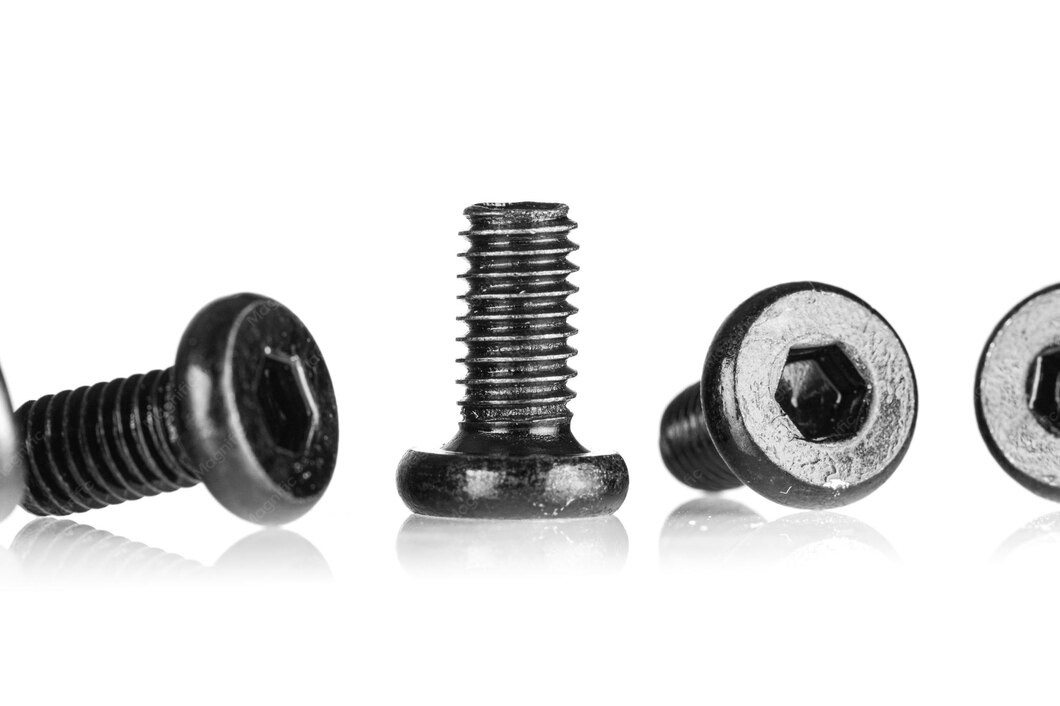
What Is a Socket Head Cap Screw? Types, Uses & Selection Guide
Open up almost any piece of machinery and you will find socket head cap screws holding it together, tucked into recesses where a regular bolt head would never fit. Their cylindrical shape and recessed hexagonal drive let them do a job that ordinary fasteners simply cannot manage in tight spaces.
That compact geometry is exactly why these screws show up so often in equipment where clearance around the fastener is limited. This guide covers the different types of socket head cap screws, the materials they come in, where they are used, and what to check before choosing one for your application.
What Is a Socket Head Cap Screw?
A socket head cap screw is a threaded fastener with a cylindrical head and an internal hexagonal socket, driven using an Allen key or hex bit rather than an external wrench. The head sits flush with or slightly above the surface, and because the socket is recessed into the head itself, the screw needs far less clearance around it than a hex-headed bolt would. This makes it a common choice wherever machinery, tooling, or equipment is assembled with limited space to work in.
What Makes a Socket Head Cap Screw Different?
The defining feature is the combination of a compact cylindrical head with a high-torque internal drive. Where a hex bolt needs room on the sides for a wrench to turn it, a socket head cap screw only needs access from directly above, which opens up design possibilities that a protruding head would rule out. This is part of why the design has become the standard in precision machine assembly.
How Does a Socket Head Cap Screw Work?
A socket head cap screw threads into a tapped hole or through a clearance hole paired with a nut, pulling the components together as it is tightened. The internal hex socket lets an Allen key apply high torque directly at the centre of the head, which distributes force evenly and reduces the risk of rounding out compared to some external drive types.
Because the head sits close to the shank diameter and the socket allows strong torque application, these screws often hold up well under significant clamping loads relative to their size. That said, actual strength always depends on the material, property class, and head style specified, so it is worth checking the mechanical performance figures against the application rather than assuming.
What Are the Different Types of Socket Head Cap Screws?
Socket head cap screws come in a handful of head styles, each suited to a different clearance or seating requirement. Here is what sets each one apart and when it tends to make sense.
Standard Socket Head Cap Screws
The standard version has a cylindrical head with a recessed hex socket, built for general machine and industrial fastening. It suits applications where a compact head geometry and specified mechanical performance are both required, and it can be paired with a counterbore where the design calls for the head to sit below the surface.
Low Head Socket Cap Screws
Low head variants have a reduced head height compared to the standard design, which helps where available clearance above the fastener is genuinely tight. Selection should still account for the mechanical requirements of the joint, since a shorter head means less material bearing the load. It should not automatically be treated as a straight swap for a standard socket head cap screw.
Button Head Socket Cap Screws
Button head screws have a rounded, wider head profile with the same internal hex drive, giving a lower and smoother appearance than the standard cylindrical head. They work well where a rounded or lower-profile head is preferred for appearance or clearance reasons. Their mechanical characteristics can differ from standard socket head cap screws, so it is worth checking the relevant specification before substituting one for the other.
Flat Head Socket Cap Screws
Flat head screws use a countersunk design that allows the head to sit flush or near-flush with the surface once correctly installed. They suit applications where an exposed cylindrical head would get in the way or spoil a finished surface. Installing them properly requires a countersunk seating surface machined to match the head angle.
What Materials Are Socket Head Cap Screws Available In?
Material choice affects strength, corrosion resistance, and how a screw performs in its working environment, so it is worth understanding the common options before specifying one. Here is how the two most widely used materials compare.
Alloy Steel Socket Head Cap Screws
Alloy steel is a common choice where a specified mechanical strength is required, and its actual performance should always be discussed in relation to the applicable grade or property class rather than assumed. Common metric property classes are worth confirming directly against the product or standard documentation before ordering. This helps avoid mismatches between what is specified on a drawing and what actually gets delivered.
Stainless Steel Socket Head Cap Screws
Stainless steel becomes the more sensible choice where corrosion resistance matters, particularly in humid, outdoor, or chemical-exposure environments. Suitable stainless grades should be verified against the specific application rather than assumed generically. Stainless steel is not automatically the strongest option available, so material selection should reflect both the environment and the joint's actual requirements.
How Does Material Affect Fastener Selection?
Choosing the right material comes down to a handful of practical factors rather than one single consideration.
- Strength requirements of the joint under expected load.
- Corrosion or environmental exposure the fastener will face in service.
- Temperature where the application involves heat or cold extremes.
- Compatibility with the mating components, to avoid galvanic or fit issues.
- The applicable material and product specification governing the application.
Where Are Socket Head Cap Screws Commonly Used?
Socket head cap screws turn up across a wide range of industries wherever compact fastening and reliable torque application are needed. Here is a look at where they are typically specified.
Machinery and Industrial Equipment
They secure covers, brackets, and structural components in confined mounting spaces.
Automotive Applications
They are used in engine assemblies and components where recessed, high-torque fastening is required.
Robotics and Automation
Their compact head suits tightly packed mechanical assemblies common in robotic arms and automated systems.
Tooling and Manufacturing
They hold jigs, fixtures, and machine tooling in place where precision and repeatability matter.
General Mechanical Assemblies
They serve everyday fastening needs across a wide range of equipment and product assemblies.
What Are the Benefits of Socket Head Cap Screws?
Socket head cap screws offer a set of practical advantages that explain why they are specified so widely in machine design. Here is what stands out about the design.
Compact Head Design
The cylindrical head takes up less lateral space than a hex bolt head, which helps in tightly packed assemblies.
Internal Hex Drive
The recessed socket allows an Allen key to apply strong, centred torque without needing room to swing a wrench.
Suitable for Recessed Installation
The head geometry works well with counterbored or countersunk holes, depending on the head style chosen.
Availability in Different Materials and Grades
A range of materials and property classes means the screw can be matched closely to the strength and environment the application demands.
How Do You Choose the Right Socket Head Cap Screw?
Choosing the right socket head cap screw starts with the basics of fit: diameter, length, and thread pitch all need to match the mating hole or fastener exactly. From there, the head style should be selected based on the clearance available and whether the screw needs to sit flush, recessed, or simply low profile.
Material and grade should then be matched to the load and environment the joint will face, followed by a check on finish or coating if corrosion protection matters. Confirming the applicable standard, whether ISO, IS, ASME, or a specification called out on the drawing, ties all of these choices together and avoids mismatches once the parts arrive on site.
What Socket Head Cap Screw Sizes and Specifications Should You Check?
| Specification | What to Check | Why It Matters |
| Diameter | Nominal size | Must suit the joint |
| Length | Required screw length | Ensures appropriate engagement |
| Thread pitch | Specified pitch | Must match the mating thread |
| Head style | Standard, low, button or flat | Determines seating and clearance |
| Material | Alloy steel, stainless steel, etc. | Affects application suitability |
| Grade/property class | Required specification | Relates to mechanical requirements |
| Finish | Plain, plated, coated etc. | Relevant to environment |
| Standard | ISO, IS, ASME or specified standard | Confirms product requirements |
How Do You Find a Reliable Socket Head Cap Screw Supplier in India?
Before placing an order, it helps to confirm that a supplier can verify material certification, grade, and finish against what is actually specified, rather than supplying a generic listing labelled simply as a socket screw. Consistent stock availability and clear documentation matter just as much when working across multiple projects or repeat orders.
This is where Genuine Enterprises fits in. Working among the socket head cap screws suppliers in India, the company supplies a range of head styles and materials with verified specifications, helping projects avoid the delays that come from unclear or inconsistent sourcing.
Conclusion
Socket head cap screws might look like a small detail on a drawing, but the head style, material, and grade chosen for each application directly affects how the joint performs over time. From standard and low head screws to button and flat head variants, matching the fastener to the clearance and load requirement is what makes the difference.
Getting the specification details right before ordering, and sourcing from a supplier who can confirm those details clearly, removes much of the guesswork from the process. It is a small step early on that saves real time later.
FAQs
- What is a socket head cap screw?
A socket head cap screw is a fastener with a cylindrical head and an internal hex socket, driven with an Allen key, commonly used where a compact head profile and recessed installation are needed.
- What are the different types of socket head cap screws?
Common types include standard, low head, button head, and flat or countersunk head variants. Stainless steel is a material option rather than a head style, so it can apply across any of these designs.
- What are socket head cap screws used for?
They are widely used in machinery, automotive assemblies, manufacturing, robotics, tooling, and general industrial equipment.
- What is the difference between a socket head cap screw and a hex bolt?
A socket head cap screw has a cylindrical head with an internal hex drive and needs access only from above, while a hex bolt has an external six-sided head that needs a wrench with side clearance. The two also differ in typical dimensions and installation method, and neither should be assumed universally stronger without checking the specific grade and application.
- How do I choose the right socket head cap screw?
Match the diameter, length, and thread pitch to the joint, then select the head style, material, grade, finish, and standard based on the application's clearance and strength requirements.
- Do socket head cap screws need a counterbore?
Not always. A counterbore can be used to recess the cylindrical head of a standard, low, or button head screw where the design calls for it, while flat head socket screws use a countersunk hole instead, since their head shape is designed to sit flush rather than recessed.
- Where can I find a reliable socket head cap screw supplier in India?
Check that the supplier can confirm material grade, finish, and dimensional specifications clearly, and maintains consistent stock. Genuine Enterprises supplies a range of socket head cap screw types with verified specifications for construction and industrial projects across India.
Categories
Related Blogs


Leave a Comment
Your email address will not be published. Required fields are marked *