


Types of Fasteners and Their Uses: Bolts, Screws, Nuts & More
When you look at a building, a bridge, a machine, or even a piece of furniture, you are looking at hundreds of decisions made about how things should hold together. Behind all of that, quietly doing the heavy lifting, are fasteners. They do not get much attention, but without them, nothing stays put.
Whether you are working on a large-scale construction project, assembling industrial machinery, working on an automotive job, or simply putting together something at home, understanding the types of fasteners can save you time, money, and a lot of rework. The right fastener in the right place makes everything more secure and longer-lasting.
What Are Fasteners?
A fastener is a hardware device used to mechanically join or secure two or more objects together. Think of them as the connectors that hold the physical world in place. They can create permanent joints, like rivets in structural steel, or non-permanent ones, like bolts and nuts that can be removed and reassembled. Fasteners are used across virtually every industry, from construction and manufacturing to electronics and aerospace, and choosing the correct one is just as important as choosing the right material for any job.
Types of Fasteners
Fasteners come in a wide variety of forms, each designed with a specific purpose in mind. Some are built for heavy structural loads, others for lightweight assembly work, and some are engineered to resist the kind of environmental conditions that would destroy ordinary hardware. Knowing which type you need is the first step to getting the job done right.
Here is a breakdown of the most common fastener types and where each one is typically used:
Bolts
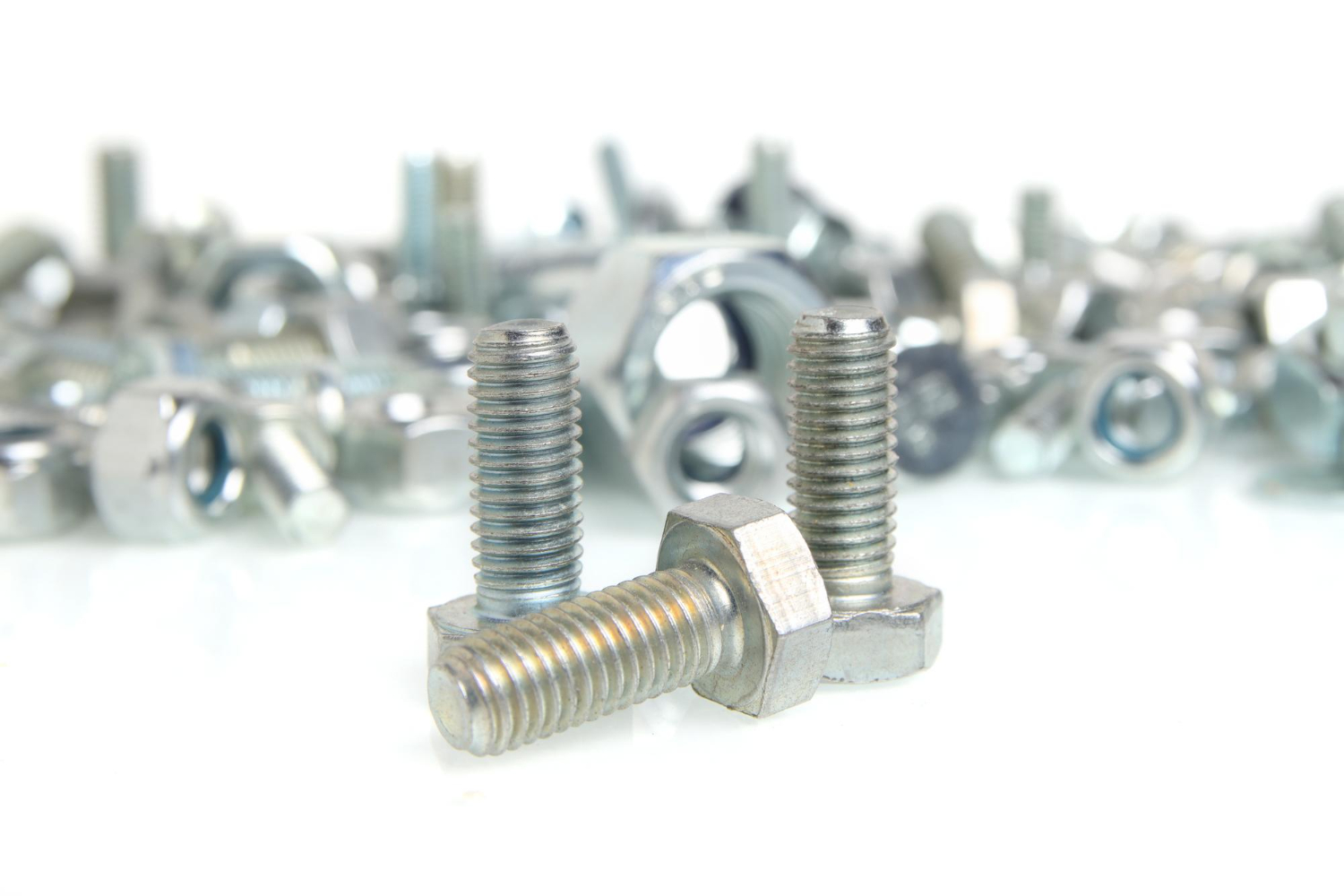
A bolt fastener is an externally threaded fastener that works in conjunction with a nut, or is inserted into a pre-tapped hole to clamp materials together. Unlike screws, bolts are not designed to tap their own threads. They rely on a nut or a pre-threaded surface to create the clamping force needed to hold things in place. Common types include hex bolts, carriage bolts, and anchor bolts.
Screws
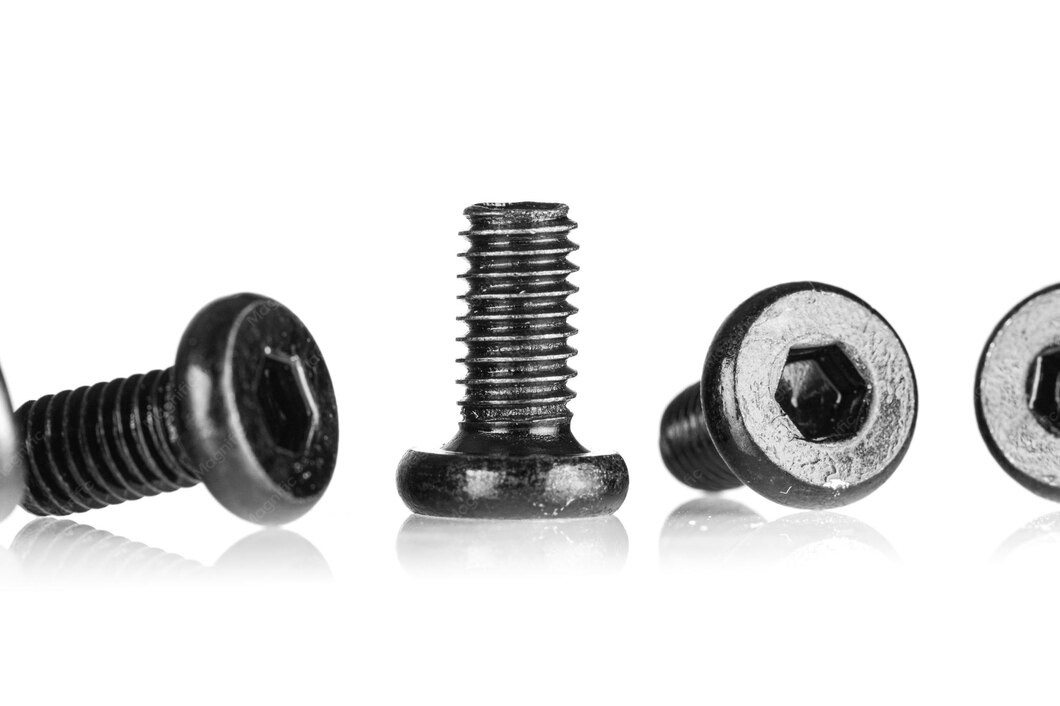
A screw is a fastener with a helical thread that cuts into the material as it is driven in, creating its own holding force without necessarily needing a nut. That self-threading action is what sets screws apart, making them ideal for applications where you need a fast, clean fix. Wood screws have a sharp, coarse thread designed to grip timber firmly. Machine screws are made for precise fastening in metal applications. Self-tapping screws are particularly useful when working with sheet metal or plastics.
Nuts
A nut fastener is an internally threaded fastener used in combination with a bolt or a threaded stud to clamp materials together. On their own, nuts do nothing. Paired with the right bolt, they become one of the most secure joining methods in engineering.Common types of nuts include hex nuts, wing nuts, and lock nuts.
Other Fasteners
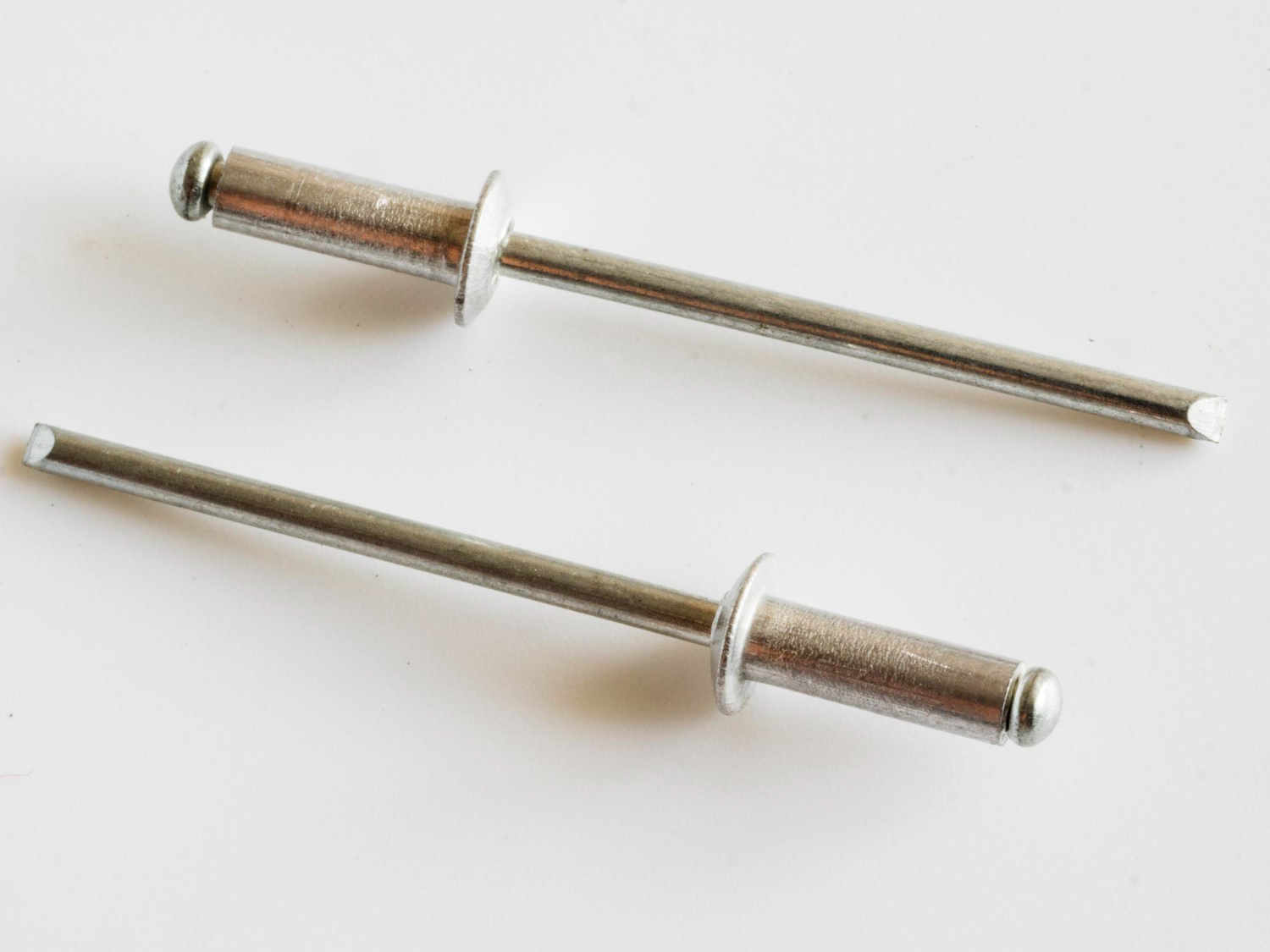
Beyond bolts, screws, and nuts, there is a whole category of fasteners designed for specific joining needs. Washers sit under the head of a bolt or nut to distribute load and protect the surface from damage. Rivets are permanent fasteners that deform to lock in place once installed. Pins such as cotter pins and dowel pins are used for alignment and as fail-safe locking mechanisms. Clips and retaining rings are used to secure components on a shaft or within a bore, keeping parts in position without any threading at all.
Materials Used for Fasteners
The material a fastener is made from matters just as much as its shape and size. A fastener that looks right but is made from the wrong material will corrode, weaken, or fail prematurely, particularly in outdoor or chemically exposed environments. Different applications demand different material properties, from tensile strength and hardness to corrosion resistance and conductivity.
Here is a look at the most common materials used in fastener manufacturing and what makes each one suitable for specific applications:
- Stainless Steel: Stainless steel is one of the most widely used materials for fasteners, and for good reason. It offers excellent corrosion resistance, making it ideal for outdoor construction, marine environments, chemical plants, and anywhere moisture or humidity is a constant factor.
- Carbon Steel: Carbon steel fasteners are strong and cost-effective, making them the go-to choice for general industrial and construction applications. They are often coated with zinc (galvanized) or another finish to improve their resistance to corrosion, though they are not suited for highly corrosive environments without a protective coating.
- Brass: Brass fasteners are valued for their corrosion resistance, electrical conductivity, and aesthetic appearance. They are commonly used in plumbing, electrical fittings, and decorative applications where appearance matters alongside function.
- Alloy Steel: Alloy steel fasteners are engineered for high-strength applications. With elements like chromium, molybdenum, or vanadium added, they offer superior toughness and the ability to handle extreme loads, making them popular in heavy machinery, automotive, and structural applications.
How to Choose the Right Fastener
Choosing the right fastener starts with understanding the demands of your specific application. Consider the materials you are joining, the load the fastener will need to bear, and whether the joint needs to be permanent or serviceable. Environmental factors also play a significant role. A fastener that works perfectly indoors may corrode rapidly if exposed to outdoor humidity, saltwater, or chemical environments. Matching the fastener material to the exposure conditions is not optional, it is essential for long-term performance.
For DIY projects, the priority is usually ease of use and availability. A basic carbon steel screw or hex bolt will handle most home improvement tasks. For industrial applications, the stakes are higher. You want to work through the full load specification, consider fatigue and vibration risks, and verify material compatibility before making a choice. When in doubt, consulting with a knowledgeable fasteners supplier in India can save you from costly mistakes down the line.
Where to Buy Fasteners in India
If you are looking for quality fasteners for construction, infrastructure, or industrial use, Genuine Enterprise is a name worth knowing. We supply a wide range of fasteners, including stainless steel fasteners, bolts, nuts, screws, and specialty hardware, all held to consistent quality standards. Our approach is straightforward: we understand what our customers need, we source it carefully, and we deliver it on time. Whether you are a contractor, a manufacturer, or a procurement professional, we are here to make the sourcing process easier.
Conclusion
Fasteners are foundational to how things are built and how they hold together over time. From the bolt fastener anchoring a structural beam to the lock nut fastener keeping a machine from vibrating apart, every type has a role to play. Understanding the differences between bolts, screws, nuts, and specialty fasteners, and knowing which materials suit which environments, puts you in a much stronger position when planning any project.
Getting the fastener selection right is not just about function. It directly affects the safety, durability, and efficiency of whatever is being built. If you want to be confident in your sourcing, work with suppliers who prioritize quality and consistency. As a leading fastener supplier in India, Genuine Enterprise is here to help you find the right hardware for every application.
FAQs
- What is the difference between bolts and screws?
Bolts are designed to be used with a nut or inserted into a pre-tapped hole. They do not cut their own threads. Screws, on the other hand, are designed to thread directly into the material they are fastening, creating their own grip. In simple terms, bolts clamp, and screws grip.
- How do I select the right nut and bolt?
Start with the application. Consider the load the joint will carry, the materials being joined, and the environment it will be exposed to. Match the bolt grade and diameter to the load requirements, and always use a nut that is compatible with the bolt's thread standard. For high-vibration applications, opt for lock nuts to prevent loosening over time.
- Where can I buy stainless steel fasteners in India?
Genuine Enterprise is among the well-regarded stainless steel fasteners suppliers in India, offering a range of hardware for construction and industrial applications.
- What are the most commonly used fasteners in construction?
Hex bolts, anchor bolts, lag screws, and hex nuts are among the most frequently used fasteners in construction. Anchor bolts in particular are critical for connecting structural elements to concrete foundations. The choice depends on whether the connection needs to be structural, weatherproof, or removable.
- Can I use the same fastener for both indoor and outdoor applications?
Not always. Indoor fasteners, typically made from carbon steel, may not hold up well when exposed to moisture, rain, or humidity. For outdoor use, stainless steel or hot-dip galvanized fasteners are a far better choice because they resist corrosion and maintain their integrity over time.
- What does fastener grade mean?
Fastener grade refers to the strength and material specification of the fastener, usually defined by standards like ISO, ASTM, or IS (Indian Standard). A higher grade generally means higher tensile and yield strength. For structural or load-bearing applications, always confirm that the fastener grade meets the engineering specification for the job.
Categories
Related Blogs




Leave a Comment
Your email address will not be published. Required fields are marked *