


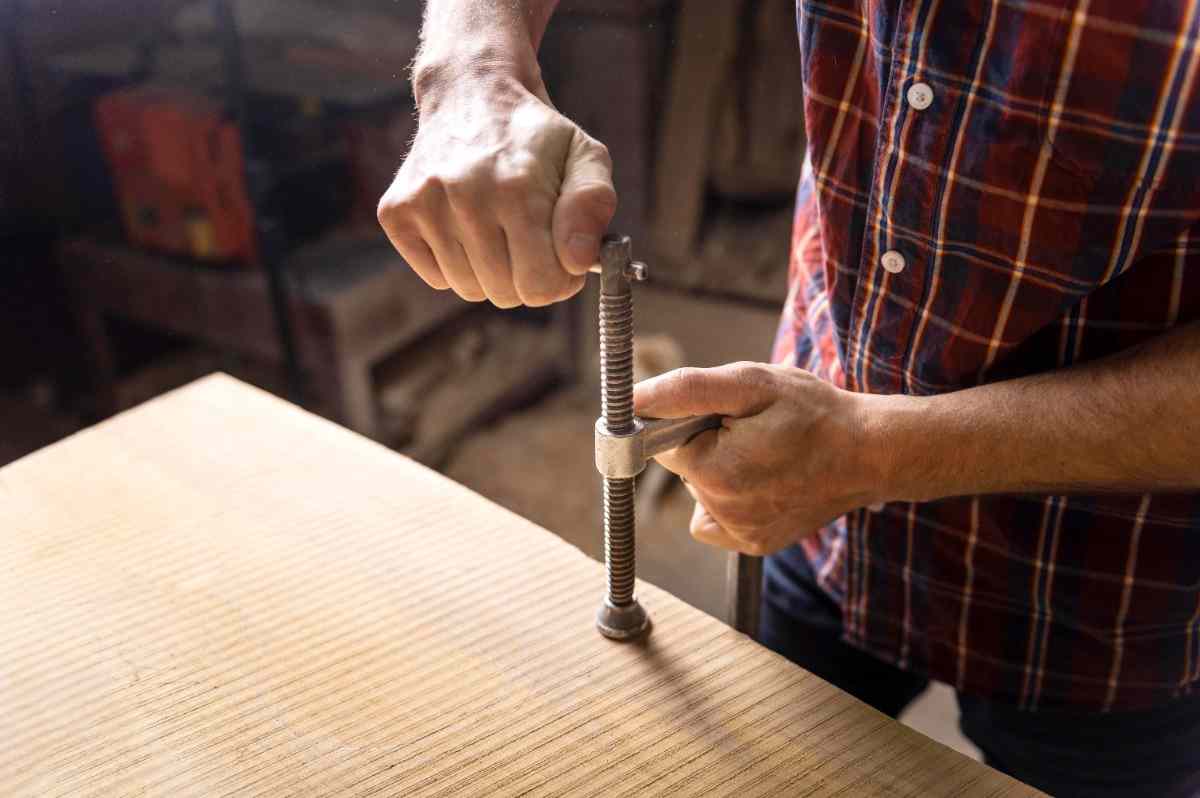
How to Fit Anchor Bolts? Installation Steps, Drilling & Safety Guide
Anchor bolts tie a structure to concrete, whether that is a steel column, a machine base or a handrail post. Fitted correctly, they carry the load for years. Fitted carelessly, even a strong bolt can pull out. Some are set in fresh concrete during the pour, while others go into hardened concrete afterwards.
The exact method depends on the anchor type, but the order stays familiar. You check the specification, mark the position, drill to the right size, clean the hole, set the anchor and tighten it as instructed. This guide walks you through each stage, along with the tools and safety steps that go with it.
What Are Anchor Bolts and How Do They Work?
An anchor bolt is a fastener that fixes a fixture or structural element to concrete. It holds by gripping the concrete, either through a head cast into it, expansion against the wall of a drilled hole, or a bonded adhesive.
Load travels from the fixture, through the bolt and into the concrete around it. That is why the condition of the concrete, the depth of the anchor and its distance from edges matter as much as the bolt itself.
What Are the Main Types of Anchor Bolts?
These are the five types you will see most often.
- Cast-in anchor bolts: Set in the formwork before the pour, so they become part of the structure.
- Mechanical anchors: Expand against the walls of a drilled hole to grip the concrete.
- Concrete screw anchors: Cut their own thread into a pre-drilled hole, which makes them quick to fit.
- Adhesive or chemical anchors: Bond a threaded rod into the hole with resin, so load is spread without expanding the concrete.
- Drop-in anchors: Sit flush in a drilled hole and are expanded with a setting tool, leaving an internal thread for the bolt.
What to Check Before Fitting Anchor Bolts
A few minutes of checking before you drill can save you from a failed fixing. Most installation problems start with a wrong assumption, not a wrong tool.
Run through these three checks first.
Check the Anchor Type and Application
Match the anchor to the load, the fixture and the conditions, such as damp or outdoor exposure. Read the manufacturer's data sheet, since it sets the rules for that particular product.
Check the Concrete Condition and Installation Position
Look for cracks or crumbling, and confirm the concrete is thick enough for the anchor. Scan for reinforcement and embedded services, and keep clear of edges and neighbouring anchors.
Confirm the Hole Diameter, Depth, and Embedment
Take the bit size, hole depth and embedment from the product instructions or the project drawings. Mark the depth on the bit with tape so every hole matches.
Tools and Materials Required to Install Anchor Bolts
You do not need a large kit, but each item has a job. Having everything at hand before you start keeps the work steady and stops you from improvising halfway through.
Here is what to gather.
- Hammer drill or other specified drilling equipment.
- Correct concrete drill bit.
- Measuring tape and marker.
- Level and alignment tools.
- Anchor bolt template, where needed.
- Hole-cleaning brush.
- Approved vacuum or compressed-air cleaning equipment.
- Hammer or anchor setting tool, where specified.
- Adhesive dispensing gun and mixing nozzle, for chemical anchors.
- Torque wrench, where required.
- Nuts, washers and other specified installation hardware.
- Appropriate protective equipment.
How to Fit Anchor Bolts in Concrete: Step-by-Step Installation Guide
The steps below apply mainly to post-installed anchors in hardened concrete. Cast-in bolts follow a shorter route, since they are fixed in position with a template before the pour and checked for alignment once the formwork is in place.
Here are the six steps in order.
1. Check the Anchor Bolt Specifications and Concrete Surface
Confirm the bolt size, grade, length and type against the drawing, and make sure the concrete has reached the strength the manufacturer requires. Clear dust, loose material and any standing water from the surface.
2. Mark the Anchor Bolt Positions
Mark each position from the drawing or a template, measuring from fixed reference points. Check edge distance and spacing before you drill, and scan for reinforcement at every mark.
3. Drill the Holes in Concrete
Use a hammer drill with a correctly sized carbide-tipped bit, holding it straight and square to the surface until you reach the marked depth. If the bit meets reinforcement, stop and check with the engineer before drilling further.
4. Clean the Drilled Holes
Clear dust from the bottom of the hole using the blow, brush, blow sequence with a brush of the right diameter. Adhesive anchors are especially sensitive to dust, so follow the number of cleaning cycles in the instructions.
5. Insert and Secure the Anchor Bolts
Set the anchor the way its type requires: expand it, screw it in, or inject resin and turn the rod in slowly. For adhesive anchors, leave the resin undisturbed for the full cure time.
6. Tighten and Align the Anchor Bolts
Fit the fixture, washer and nut, then tighten with a calibrated torque wrench to the manufacturer's value. Check alignment and level as you go, and never go past the stated torque.
Safety Precautions When Drilling and Fitting Anchor Bolts
Drilling into concrete throws up fine dust that contains silica, which is harmful when breathed in over time. OSHA guidance recommends a shroud and vacuum around the drill bit to capture it at the source, with a respirator where the task calls for one. Safety glasses, ear protection and gloves should be on before the drill starts.
Scan for rebar, pipes and cables before you drill, and keep the work area clear of loose cables and tools. Set up ladders and platforms properly, and read the safety data sheet before handling resin cartridges. If anything about the job feels unclear, pause and check with a supervisor or engineer.
Common Anchor Bolt Installation Mistakes and How to Avoid Them
Most anchor failures come from small shortcuts rather than faulty products. Knowing where they happen makes them easy to avoid.
These are the five to watch for.
Using the wrong drill-bit size
A hole that is too wide lets the anchor spin or loosen, while one that is too narrow can stop it from seating. Match the bit to the data sheet and replace it when it wears down.
Drilling too shallow or too deep
A shallow hole leaves the anchor short of its embedment, which lowers its holding capacity. Excess depth is less harmful, but it wastes resin and can leave the anchor sitting in the wrong position.
Failing to clean the hole
Leftover dust forms a layer between the anchor and the concrete, which weakens both grip and bond. Follow the full cleaning sequence every time, even when the hole looks clean.
Installing too close to a concrete edge
An anchor near an edge can cause the concrete to break away under load. Keep to the minimum edge distance and spacing given for the product, and ask an engineer if the layout is tight.
Over-tightening the anchor
Too much torque can damage the anchor, crack the concrete or strip a thread. Use a calibrated torque wrench and stop at the specified value.
Conclusion
Fitting anchor bolts well comes down to a handful of habits. Choose the right anchor, check the concrete, drill to the specified size and depth, clean the hole, and tighten to the stated torque. Add proper dust control and protective equipment, and the job becomes safer as well as stronger.
If you need anchor bolts and fasteners for your next project, Genuine Enterprises supplies them across India from its base in Kolkata. Our team can help you choose the right type and size for your application.
FAQs
- How do you fit anchor bolts into concrete?
Mark the position, drill to the specified size and depth, clean the hole, set the anchor and tighten it to the stated torque. Cast-in bolts are different, since they are fixed in the formwork before the concrete is poured.
- How do you drill holes for anchor bolts in concrete?
Use a hammer drill with a carbide-tipped bit, held square to the surface, and drill to the depth in the instructions. Stay clear of reinforcement and use dust control while you work.
- What drill bit should I use for anchor bolts?
Use a carbide-tipped hammer bit of the diameter the anchor manufacturer specifies. For many mechanical anchors it matches the anchor diameter, but adhesive anchors often need a different size, so check the data sheet.
- How deep should anchor bolts go into concrete?
It depends on the anchor type, its diameter, the load and the concrete, so use the minimum embedment from the data sheet or the engineer's drawing. Going deeper than specified does not always help, since the hole must still follow the instructions.
- Do concrete anchor bolt holes need to be cleaned?
Yes. Dust left in the hole weakens grip and bond, so use the blow, brush and blow sequence the manufacturer specifies.
- Can you install anchor bolts in existing concrete?
Yes. Mechanical, screw and adhesive anchors are made for hardened concrete. Check the condition of the concrete and the edge distances first.
- What is the difference between cast-in and post-installed anchor bolts?
Cast-in bolts are placed in the formwork before the pour and become part of the structure. Post-installed anchors are fitted into drilled holes in concrete that has already hardened.
- Can anchor bolts be installed without a hammer drill?
It is generally not advised, since concrete needs hammering action to give clean, correctly sized holes. Core or diamond drilling can be used only where the anchor manufacturer allows it.
Categories
Related Blogs




Leave a Comment
Your email address will not be published. Required fields are marked *