


Countersinks with included angle 60°,90°&120°
Best 60, 90 & 120 Degree Countersink Suppliers in IndiaCountersink bit angle...
Countersinks with included angle 60°,90°&120°
Best 60, 90 & 120 Degree Countersink Suppliers in India
Countersink bit angles vary by application, and 60°, 90° and 120° cutters are HSS tools used for countersinking, deburring and forming conical recesses in drilled holes. A 60° angle is generally used for deburring, 90° for seating countersunk screws, and 120° for specific fastener and rivet applications. These cutters come in different diameters, angles, shank sizes, flute configurations and HSS grades. We are based in Kolkata and supply them to businesses across India.
60, 90 & 120 Degree Countersinks for Different Industrial Applications
Each countersink angle tends to suit a particular kind of job, which is why having the right one on hand matters. Here's how they're typically used:
- Hole Deburring & Chamfering:
A 60° countersink is commonly used to remove burrs and give drilled holes a clean edge.
- Countersunk Screw Seating:
A 90° angle matches the head profile of standard countersunk screws, letting them sit flush.
- Rivet Head Recessing:
A 120° countersink is used for certain rivet and fastener heads that need a shallower recess.
- Sheet Metal & Fabrication Work:
Sheet metal jobs often call for all three angles depending on the fastener or finish required.
- Automotive & Engineering Components:
Automotive and engineering parts use different countersink angles based on the specific assembly design.
- General Tool Room & Maintenance Work:
Tool rooms typically keep a mix of angles on hand to cover whatever job comes through.
How to Choose the Right Countersink?
Picking the right countersink drill bit angle depends on the included angle you need, cutter diameter, fastener size, shank size, flute configuration, workpiece material and machine setup. Confirming these before ordering keeps you from ending up with the wrong recess shape. Here's what to check:
- Included Angle: 60°, 90° or 120°:
The angle needs to match your fastener head or the deburring finish you're after.
- Countersink Diameter and Fastener Size:
The diameter should correspond to the size of the screw or fastener being seated.
- Flute Configuration:
The number of flutes affects cutting action and finish, so this should suit your material and speed requirements.
- Shank Size and Type:
The shank has to fit your tool holder or spindle correctly to run true during cutting.
- Workpiece Material:
The material you're machining affects the right cutting speed and how the cutter wears over time.
- HSS Material and Grade:
The countersink angle you choose still needs an HSS grade suited to your cutting conditions for it to perform consistently.
Why Choose Genuine Enterprises for 60, 90 & 120 Degree Countersinks?
For machine shops, fabricators and manufacturers, sourcing the right countersink comes down to getting the included angle, cutter diameter, fastener size, flute configuration, shank size and HSS grade right for the job at hand. Procurement teams working through bulk or repeat orders need this consistency across every batch, since even a slightly different angle can leave a fastener sitting proud or too deep.
That's what makes us the preferred supplier for 60, 90 and 120 degree countersinks in Kolkata among buyers who need each angle matched precisely, and our supply reach extends across India from our base here. Our HSS countersinks are available in 60°, 90° and 120° configurations, with parallel-shank dimensions covered by ISO 3294 and common DIN specifications including DIN 334, DIN 335 and DIN 347.
Frequently Asked Questions
1. Which countersink angle do I need for deburring?
A 60° countersink is generally used for deburring and cleaning up the edges of drilled holes.
2. What angle is used for countersunk screws?
A 90° angle is the standard choice for seating countersunk screw heads flush with the surface.
3. When would I use a 120° countersink?
A 120° angle suits specific fastener and rivet applications that need a shallower recess.
4. What standards do these countersinks follow?
Parallel-shank dimensions are covered by ISO 3294, with common DIN specifications including DIN 334, DIN 335 and DIN 347.
5. How do I know the right countersink diameter?
The diameter should match the head size of the screw or fastener you're seating.
6. Can I order different countersink angles together in bulk?
Yes, we supply 60°, 90° and 120° countersinks across India, including for bulk and repeat requirements.


- Fasteners
-
ITM Cutting Tools
- Annular Cutter
- Center Drills
- Engineering Files
- Grooving Tools
- Hathyar - Tool Bits
- HSS Twist Drills
- Milling Cutters - Bore Type
- Milling Cutters - Shank Type
- Reamers
-
Screwing Taps
- American National Pipe Hand Taps
- Cycle Taps
- Hand & Short Machine Tap
- Helicoil Taps
- High Performance Series - Roll Form Taps
- High Performance Series - Spiral Fluted Taps
- High Performance Series - Spiral Point Taps
- High Performance Series - Straight Cast Iron Taps
- Long Shank Machine Tap
- NIB Taps
- Nut Taps
- Pipe Hand Taps
- Shell Taps
- Taper Pipe Hand taps
- Solid Carbide Drills
- Solid Carbide End Mills
- Material Handing Equipment
Showing 1 - 2 of 2 Results

Countersinks with included angle 60°,90°&120° - Taper Shank
View Details
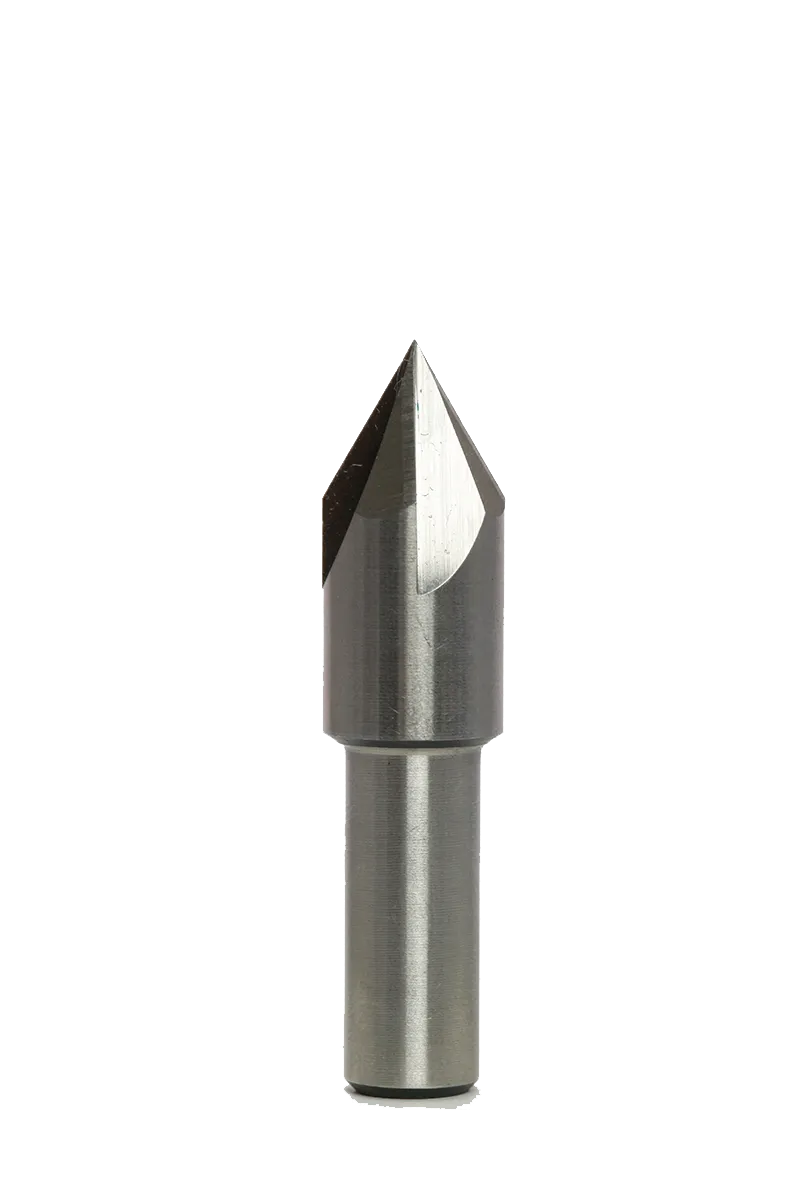
Countersinks with included angle 60°,90°&120° with Parallel Shank
View Details