Center Drills
Best Center Drill Suppliers in IndiaPrecision machining starts with an accurate...
Center Drills
Best Center Drill Suppliers in India
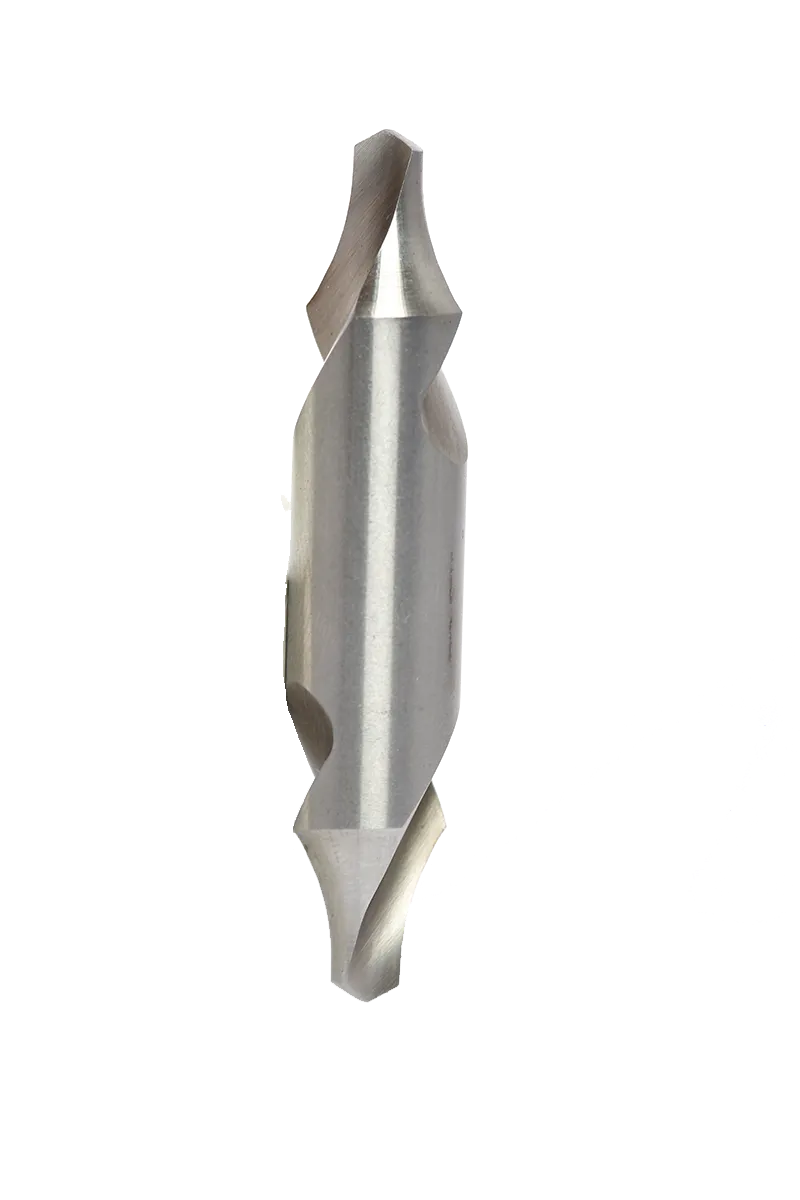
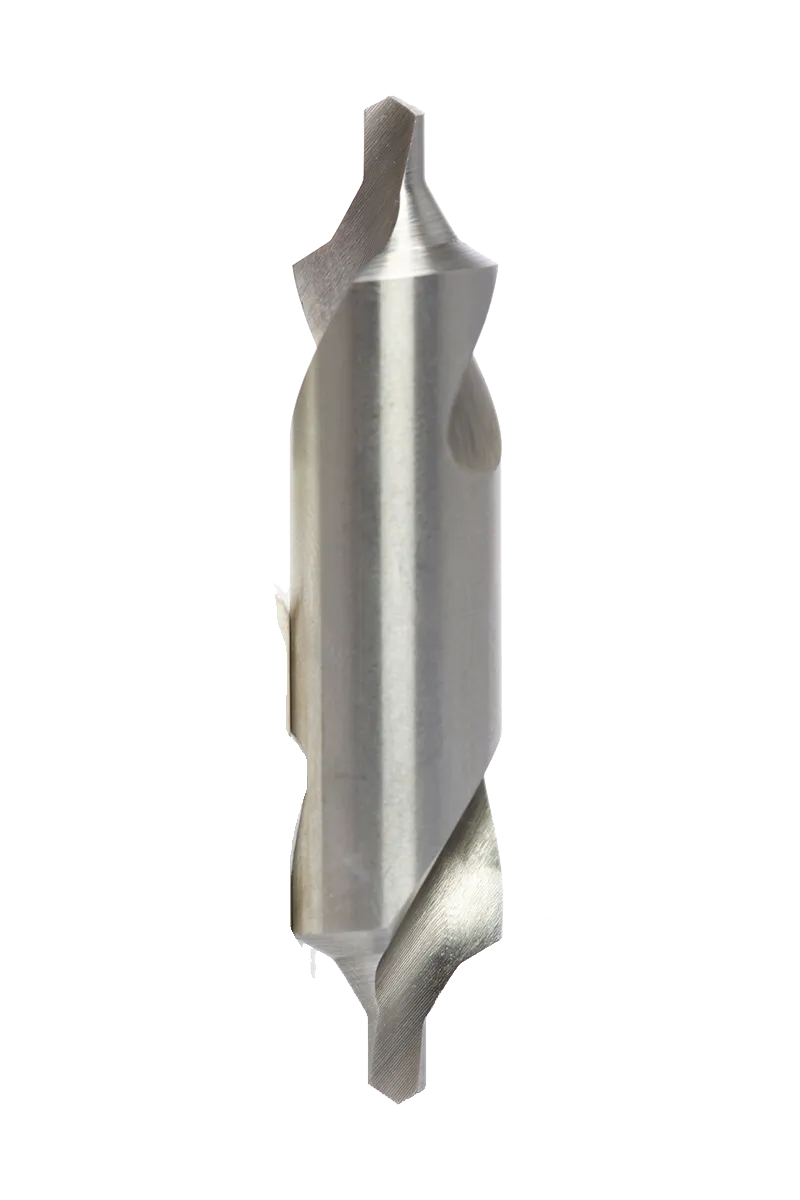
Precision machining starts with an accurate center hole, and that is where a quality center drill bit makes all the difference. Designed with a combined drill and countersink, these specialized cutting tools create precise starting points for lathe centers and guide subsequent twist drills without wandering. As an experienced center drill bit supplier in kolkata, we supply precision-engineered center drill units to machine shops, fabricators, and industrial facilities across India. Share your material requirements, size specifications, or component drawings with us today for a quick quote tailored to your production needs.
Center Drills for Different Machining Applications
Selecting the right tool for your setup ensures accurate alignment, reduces tool wear, and protects downstream cutting tools:
- Lathe & Turning Operations:
Provides exact locating holes for tailstock centers to support long workpieces securely during high-speed turning.
- Shaft & Round Bar Machining:
Prepares the ends of solid shafts for secondary machining, grinding, or mounting between physical centers.
- Starting Holes for Drilling:
Creates a stiff, shallow pilot hole that prevents larger twist drills from walking on flat or curved surfaces.
- Cylindrical Grinding & Precision Machining:
Ensures perfect concentricity when transferring components between turning and final grinding processes.
- General Engineering & Machine-Shop Work:
Acts as a versatile double-ended tool for everyday countersink preparation and accurate hole spotting.
How to Choose the Right Center Drill?
Selecting the correct tool involves matching its geometric profile and substrate to your specific workpiece material and machinery setup.
Keep these practical factors in mind before placing your order:
- Center Drill Size:
Match the drill pilot diameter to the workpiece thickness to prevent tip breakage or oversized center holes.
- Center Drill Form and Angle:
Select standard 60-degree countersinks for regular lathe centers, or protected bell-type forms for heavy-duty components.
- Tool Material:
Choose High-Speed Steel (HSS) for general shop use or Cobalt/Carbide variants for tough, abrasive alloy metals.
- Work Material:
Verify that the tool geometry and hardness match your target material, whether mild steel, stainless, or aluminum.
- Machine and Shank Compatibility:
Ensure the straight shank fits your lathe collet, chuck, or drill press securely to eliminate runout during operation.
Why Choose Genuine Enterprises for Center Drills?
Finding a supply partner who understands physical machining requirements simplifies procurement for busy workshop managers. We maintain a comprehensive inventory of standard and hard-to-find sizes so your production line never stalls waiting for essential tooling. Every batch we dispatch meets strict dimensional standards, giving your machinists consistent hole profiles and predictable tool life across repeat batch runs.
Our team works closely with your procurement specialists to match exact drill geometries, materials, and coatings to your specific operational demands. Based in Kolkata, we efficiently distribute industrial components across all major manufacturing hubs in India. Reach out to our technical sales team to discuss your current tooling schedules or request bulk pricing for your facility.
Frequently Asked Questions
1. What is the primary difference between a center drill and a spot drill?
Center drills feature a double-ended pilot-and-countersink profile meant specifically for lathe center holes, whereas spot drills have a single point designed purely to start holes without walking.
2. When should I use a Cobalt center drill over standard HSS?
Cobalt tools offer higher heat resistance and hardness, making them ideal for drilling into stainless steel, tough alloys, and cast iron.
3. What causes center drill tips to snap during operation?
Tip breakage usually occurs due to excessive feed pressure, incorrect spindle speeds, improper alignment, or a lack of adequate cutting fluid during the initial plunge.
4. Do you supply both Type A and Type B center drills?
Yes, we stock standard Type A (60-degree plain countersink) as well as Type B (protected bell-type) configurations to suit different structural requirements.
5. How do I determine the correct center drill size for my shaft diameter?
Size selection depends on the overall diameter of the shaft; engineering tables specify the exact pilot diameter needed to support the workpiece's weight without stress concentration.
6. Can I order center drills in bulk with custom dimensions or special coatings?
We accommodate bulk commercial requirements and can assist you in sourcing specific coatings or custom dimensions based on your factory specifications.


- Fasteners
-
ITM Cutting Tools
- Annular Cutter
- Center Drills
- Engineering Files
- Grooving Tools
- Hathyar - Tool Bits
- HSS Twist Drills
- Milling Cutters - Bore Type
- Milling Cutters - Shank Type
- Reamers
-
Screwing Taps
- American National Pipe Hand Taps
- Cycle Taps
- Hand & Short Machine Tap
- Helicoil Taps
- High Performance Series - Roll Form Taps
- High Performance Series - Spiral Fluted Taps
- High Performance Series - Spiral Point Taps
- High Performance Series - Straight Cast Iron Taps
- Long Shank Machine Tap
- NIB Taps
- Nut Taps
- Pipe Hand Taps
- Shell Taps
- Taper Pipe Hand taps
- Solid Carbide Drills
- Solid Carbide End Mills
- Material Handing Equipment
Showing 1 - 4 of 4 Results