


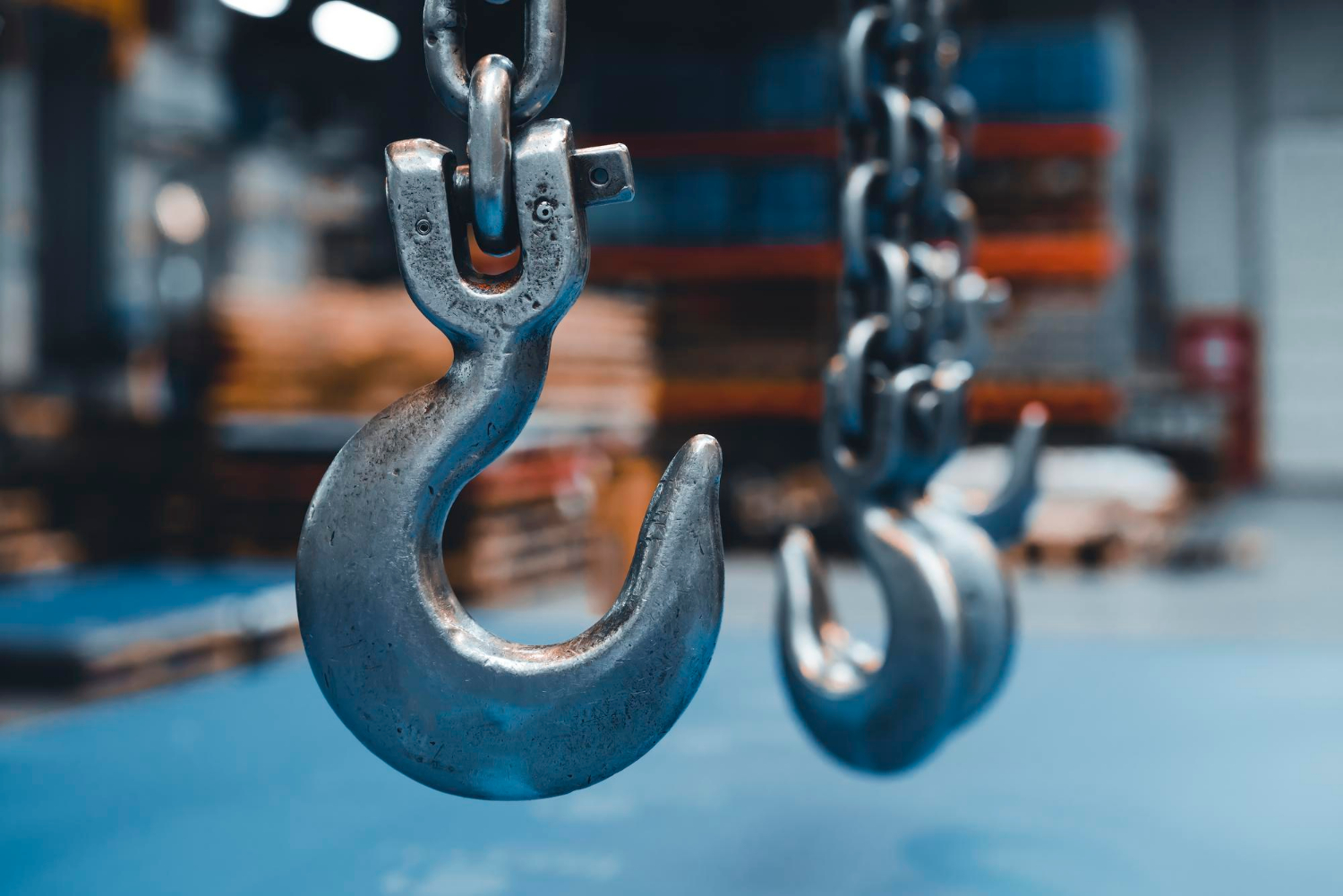
Wire Rope Pulling Hoist vs Chain Pulley Block: What's the Difference?
Pick the wrong lifting equipment on a job site and you're not just looking at inefficiency. You're looking at safety risks, project delays, and costs that add up fast. Lifting gear is one of those decisions that looks simple on the surface but carries a lot of weight.
The wire rope pulling hoist and the chain pulley block are two of the most widely used lifting devices in construction, fabrication, and industrial work. They're often confused for each other, but they're built for different jobs. Understanding the distinction before you buy or specify can save you a significant amount of trouble down the line.
What Is a Wire Rope Pulling Hoist?
A wire rope pulling hoist is a mechanical lifting device that uses a steel wire rope wound around a drum or sheave to lift, pull, or tension heavy loads with precision and force. Unlike chain-based equipment, it relies on the tensile strength and flexibility of wire rope, making it suited for high-capacity lifting, horizontal pulling, and applications where longer reach or greater travel distances are required. It's the preferred choice in environments where loads are heavy, the lifting cycle is frequent, and control over movement matters.
What Is a Chain Pulley Block?
A chain pulley block is a manual lifting device that uses an interlocking chain, a set of sprockets, and a gear reduction mechanism to lift loads vertically. The operator pulls a hand chain to engage the load chain, which raises or lowers the load in a controlled manner. It's compact, portable, and doesn't depend on any power source, which makes it a practical choice for field work, remote sites, and applications where electricity isn't available.
7 Key Differences Between Wire Rope Pulling Hoist vs Chain Pulley Block
Both tools lift things. That's where the similarity ends. The right choice depends on your load, your environment, and how often the equipment will be put to work. Here's how they compare across the factors that actually matter on the job.
1. Mechanism
- Wire rope pulling hoist: Uses a steel wire rope that winds around a drum, driven by either a manual lever or an electric motor, giving it a smooth and continuous lifting action.
- Chain pulley block: Relies on a hand-operated chain running through a series of gears and sprockets to produce the mechanical advantage needed to raise a load.
The core difference here is motion quality. Wire rope systems deliver a smoother, more consistent pull over longer distances. Chain blocks are more intermittent by nature since the operator is physically pulling in cycles.
2. Load Capacity
- Wire rope pulling hoist: Generally handles higher load capacities, with electric variants capable of lifting several tons with ease and consistency.
- Chain pulley block: Well suited for moderate to heavy loads, typically up to 10 tons in standard configurations, with manual operation limiting what's feasible in practice.
For very heavy or repetitive lifts, the wire rope hoist wins by a significant margin. Chain blocks are more than capable for occasional lifts within their rated range.
3. Power Source
- Wire rope pulling hoist: Can be manual (lever-operated) or electric, with electric models offering significantly faster lifting and less operator effort.
- Chain pulley block: Entirely manual, requiring the operator to pull the hand chain to raise or lower the load.
This distinction alone can determine which tool is appropriate. On sites without power access, the chain block is the obvious answer. On production floors where speed and volume matter, the wire rope hoist is the better fit.
4. Lifting Speed
- Wire rope pulling hoist: Electric models lift quickly and can be paired with variable speed drives for precise load positioning.
- Chain pulley block: Slower by design since it depends entirely on how fast an operator can pull the hand chain.
If throughput is a priority and the same lift is being performed dozens of times a day, the speed difference between these two options becomes a meaningful operational factor.
5. Maintenance Needs
- Wire rope pulling hoist: Requires regular inspection of the wire rope for fraying, lubrication of the drum and mechanical components, and periodic servicing of electrical parts in motorized versions.
- Chain pulley block: Simpler to maintain with fewer moving parts, though the chain needs regular lubrication and inspection for wear, elongation, or damaged links.
Neither is high-maintenance equipment if used correctly, but the wire rope system demands more attention over time due to its complexity.
6. Ease of Use
- Wire rope pulling hoist: Easier on the operator for heavy or repeated lifts, especially in electric form, though initial setup and installation require more planning.
- Chain pulley block: Straightforward to use and set up, requiring no tools or power connections, which makes it accessible to operators with minimal training.
For versatility and simplicity in the field, chain blocks are hard to beat. For comfort and efficiency over extended operations, the wire rope hoist is the more ergonomic option.
7. Applications
- Wire rope pulling hoist: Used in construction crane systems, steel erection, shipyards, mining, and any industrial environment requiring high-capacity or high-frequency lifting.
- Chain pulley block: Widely used in workshops, warehouses, automotive garages, small fabrication units, and anywhere a portable, no-power lifting solution is needed.
Where to Buy Hoists in India?
When sourcing lifting equipment in India, the supplier you work with matters as much as the product itself. Availability of spares, adherence to load ratings, and product quality under real working conditions are things that only a serious supplier can guarantee. A poorly sourced hoist that fails mid-lift is not a cost-saving, it's a liability.
At Genuine Enterprises, we're committed to supplying hardware components that meet the demands of professional construction and industrial work. We don't cut corners on quality or availability. As one of the leading chain pulley block suppliers in India serving clients across sectors, we stock equipment built for the way job sites actually operate.
Conclusion
The wire rope pulling hoist and the chain pulley block are both valuable pieces of lifting equipment, but they're not interchangeable. Wire rope hoists are built for heavy, frequent, and high-precision lifting, particularly in industrial settings. Chain pulley blocks offer portability, simplicity, and cost efficiency for lighter, less frequent lifts in locations where power may not be available.
Knowing which one your application actually calls for is the difference between equipment that performs and equipment that creates problems. If you're unsure, speak to a knowledgeable wire rope pulling hoist supplier in India, such as Genuine Enterprises, who can assess your specific load, environment, and usage frequency before you commit.
FAQs
1. What is a wire rope pulling hoist used for?
A wire rope pulling hoist is used for lifting, pulling, and tensioning heavy loads in construction, steel erection, mining, shipyards, and industrial manufacturing. Electric versions are particularly suited to high-frequency lifting operations where speed and precision are required.
2. What is a chain pulley block and how does it work?
A chain pulley block is a manual lifting device that uses a hand-operated chain, sprockets, and a gear reduction system to raise or lower loads. The operator pulls the hand chain, which engages the load chain via the gear mechanism, allowing a relatively small pulling force to lift a much heavier load.
3. Which is better for lifting heavy loads: hoist or pulley block?
For very heavy loads lifted frequently, a wire rope hoist (especially an electric one) is the stronger choice. Chain pulley blocks handle moderate to heavy loads well but are better suited to occasional lifts. The right answer depends on the load weight, frequency of use, and available power supply.
4. Can a chain pulley block be used without electricity?
Yes. This is one of its main advantages. A chain pulley block is entirely manually operated and requires no power source, making it ideal for remote sites, field work, and locations where electrical supply is unavailable or unreliable.
5. How do I know what capacity hoist I need?
Always calculate the maximum load you intend to lift and then add a safety margin. Most standards recommend selecting a hoist rated for at least 20-25% more than your peak load. Also factor in the frequency of lifts and whether the load will be lifted vertically, pulled horizontally, or both.
6. Is it safe to use a chain pulley block for overhead lifting?
Yes, when the equipment is correctly rated for the load, properly mounted on a suitable beam or structure, and inspected regularly. Never exceed the Safe Working Load (SWL) marked on the device, and always inspect the chain for wear, cracks, or elongation before use.
Categories
Related Blogs



Leave a Comment
Your email address will not be published. Required fields are marked *