


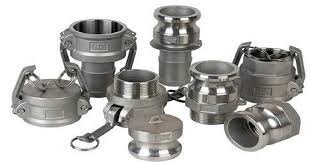
Brass Vs. Aluminium Camlocks: Choosing The Right Material For Your Application Test
Choosing between brass and aluminium camlocks is a critical decision that directly impacts the safety, efficiency, and longevity of your fluid transfer operations. While these quick-connect couplings may look similar, the material they are made from defines their performance in your specific application. This definitive guide provides an in-depth, side-by-side comparison to eliminate the guesswork and empower you to make the perfect choice for your system.
We begin by dissecting the inherent properties of each metal. Brass, an alloy of copper and zinc, is renowned for its exceptional durability and superior corrosion resistance. This makes it the undisputed champion for harsh environments, particularly in marine and offshore applications where saltwater is a constant threat. Its natural resistance to a wide range of chemicals, including many petroleum-based fluids, further solidifies its position in industrial processing. Beyond corrosion, brass is a heavier, more robust material that withstands high pressures and resists wear, galling, and impact damage, ensuring a long service life even with frequent connection cycles. However, this premium performance comes with a higher material cost and increased weight.
In contrast, aluminium camlocks excel due to their remarkable strength-to-weight ratio and cost-effectiveness. They are significantly lighter than their brass counterparts, a crucial advantage for portable applications such as agricultural spraying, firefighting, and dewatering, where hoses are frequently moved and reconfigured. This lightweight nature reduces operator fatigue and improves handling efficiency. Aluminium is also generally more budget-friendly, offering a reliable sealing solution for general-purpose use without the premium price tag. It possesses good corrosion resistance for many applications, forming a protective oxide layer that shields it from degradation in environments involving water, oils, and dry bulk materials. Its primary limitations lie in its vulnerability to highly acidic or alkaline chemicals, which can corrode the metal rapidly, and its softer composition, which can make it more prone to thread damage if overtightened.
This guide will walk you through the key decision-making factors, helping you ask the right questions: What fluid are you transferring? What are the environmental conditions? Is portability or absolute durability the higher priority? By thoroughly breaking down the strengths, weaknesses, ideal applications, and cost considerations for both brass and aluminium camlocks, we provide you with the foundational knowledge needed to optimize your system's performance, ensure operational safety, and make a cost-effective investment that stands the test of time.
Choose Brass when your priority is maximum corrosion resistance, durability, and performance in harsh environments like marine, chemical, and high-pressure systems. It's a premium, long-lasting investment.
Choose Aluminium when your priorities are lightweight handling, cost-effectiveness, and general-duty performance in applications like agriculture, dry bulk, and firefighting.
What fluid am I transferring?
Saltwater/Chemicals: Choose Brass.
Acids or Strong Caustics: Avoid Aluminium; consider Brass (if compatible) or stainless steel.
Water, Oils, Dry Materials: Aluminium is often sufficient and more economical.
How important is weight and portability?
Frequent moving/handling: The lightweight nature of Aluminium is a major benefit.
Fixed installation: Brass is a excellent, durable choice where weight is not a concern.

Leave a Comment
Your email address will not be published. Required fields are marked *